

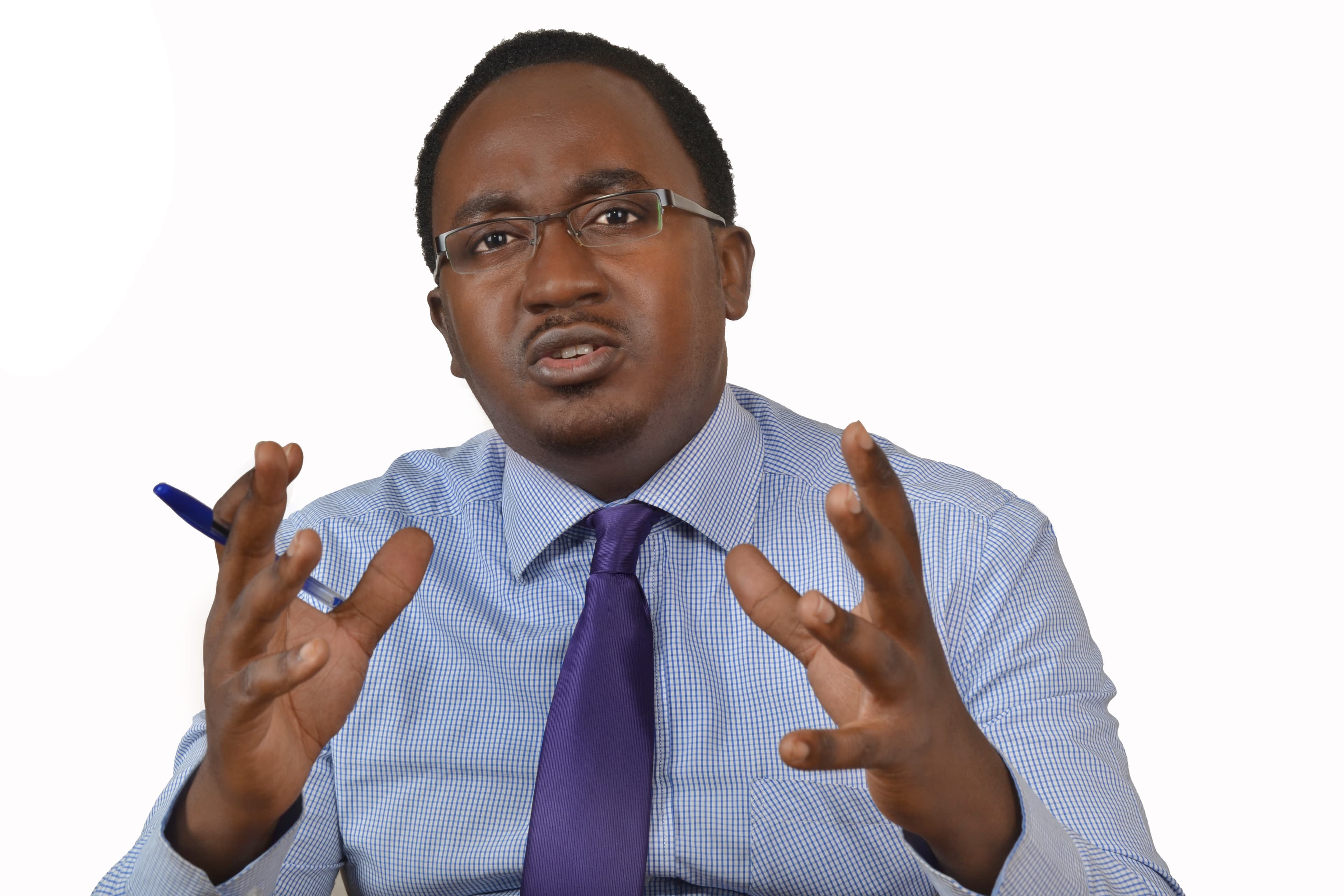
By Crispin Kaheru
Last Sunday, 3rd May 2026, was World Press Freedom Day. I showed up at the UBC grounds in Kampala for a simple reason, to walk, listen, and absorb wisdom.
Indeed, we marched about seven kilometres. That was light work. My step counter barely noticed.
Then came the speeches. The line-up was intimidating. A minister. regulators. seasoned journalists. People who have lived the media. I was ready to sit, listen, and behave. Then my good friend, Paul Ekochu, decided otherwise. He casually threw me onto a panel. No warning. No preparation. I had no minute toconsult with my trusted advisor, Google. But given his gravitas as Chairman of the Media Council of Uganda, I had to oblige. So I spoke. A bit disjointed. A bit honest. A bit dangerous. And later, I thought, these points deserve a cleaner telling. And here we are.
First, press freedom is African. World Press Freedom Day was born in Africa. It traces back to the Windhoek Declaration of 1991. African journalists demanded an independent and pluralistic press. Two years later, the United Nations adopted it. The world followed. As usual, Africa exported the idea. Others branded it nicely. So yes, press freedom is not a foreign agent. It is ours. We understand it (better) because we shaped its origin.
Second, freedom without stability is fragile. Globally, only about 1% of people live under what is considered “good” press freedom conditions. Uganda sits within that rare space. Not perfect. But stable. And for nearly four decades, Uganda has avoided state collapse, civil war relapse, and institutional breakdown. That is not luck. It is the result of deliberate state-building, security focus, and continuity.
A reckless media can inflame conflict; a responsible one prevents it. We have seen it before. Think of the 1994 Rwanda genocide, where radio did not just report events, it urged them on. In Kenya’s 2007 post-election crisis, media narratives helped turn tension into mistrust. More recently, social media has played the same dangerous game in places like Myanmar and Ethiopia. When information is weaponised, society fractures.So, Uganda must not wait for a crisis to learn this lesson, some lessons are simply too expensive to import.
Third, media is economic infrastructure. A credible press is not just about democracy. It is about money. Investor confidence follows information confidence. No serious investor puts money where information is chaotic, sensational, or unreliable. Capital is simple. It hates noise. It loves clarity. Countries grow where media is credible. Not loud, but rather credible.
So, what must Uganda do? First, move from free media to responsible media. Yes, we have over 300 radio stations, more than 30 TV stations, over 50 print outlets, and a flood of digital platforms. We are not short of voices. We are drowning in them. The real question is, how many of these voices are responsible?Freedom is step one. Responsibility is the destination.
Second, accuracy must defeat speed. Truth must defeat traffic. Journalists must stop competing with gossip. Breaking news is not always broken, it is often rushed, sometimes limping. Don’t compete for “likes”. Compete for accuracy. “Likes” don’t build nations. Truth does.
Third, national interest must outweigh sensationalism. Every headline shapes public order. That is power. Real power. The media should use it carefully or else it will use you.
So, what is government’s place in all this? First, create conditions where truth can compete, and win. You cannot demand accuracy while supplying silence. Nature abhors a vacuum. So does the rumour mill.
Second, regulate, do not control. Control most times kills credibility. Smart regulation on the other hand builds credibility. One may suffocate. The other strengthens.
Third, punish harm, not criticism. There is a difference. A big one. Criticism sharpens governance. Recklessness damages society.
Fourth, invest in a media that informs, teaches, and questions, without inflaming. A nation is safer with a thinking press than a shouting one.
In the end, it comes down to this: there is no peace without truth.No truth without a responsible press. No responsible press without discipline.
So, in our context, Uganda does not need more noise in the name of freedom. We need more truth. More responsibility. More discipline.
The writer is a Member of Uganda Human Rights Commission (UHRC)