
Uganda’s education sector faces fresh disruption as the Uganda National Teachers’ Union (UNATU) has called a nationwide strike, ordering teachers to boycott classrooms when the third term begins on September 15, 2025.
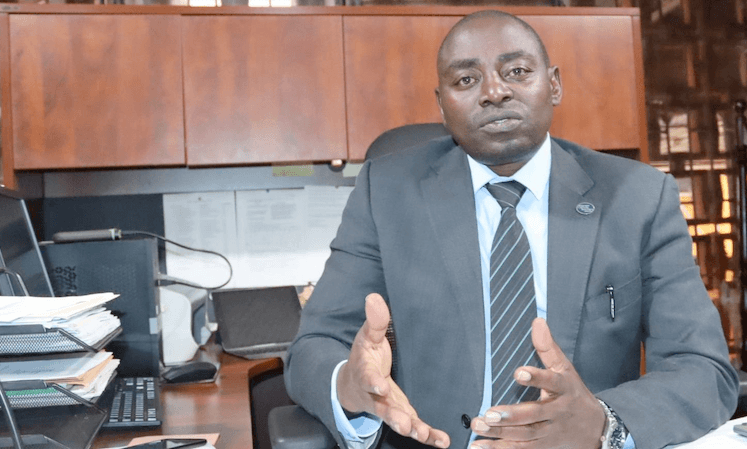
The strike, announced by UNATU General Secretary Filbert Baguma, is a response to what the union calls government’s continued neglect of salary disparities between science and arts teachers.
“For three years we have engaged in dialogue, written petitions, and reminded government through every available channel, but nothing has changed,” Baguma said. “Teachers have waited patiently, but government has remained indifferent. Industrial action remains the only option left.”
The decision comes just days after President Yoweri Museveni told teachers at a patriotism training in Ntare School that salary enhancements would begin next year. Baguma dismissed the pledge, arguing that it was not an official communication to all teachers and did not address the urgent need for pay equity.
The strike is legally protected under Ugandan labour law and international standards, Baguma stressed, warning against any intimidation of teachers.
This latest standoff revives memories of the 2022 strike, which ended only after a direct meeting with President Museveni. That strike was suspended after government promised future pay adjustments, but the union says the promised reforms never materialized.
Salary disparities remain stark. Ministry of Public Service data shows graduate science teachers earn a gross salary of Shs 4 million per month, taking home Shs 2.8 million after tax, while graduate arts teachers take home as little as Shs 672,000. Diploma-level science teachers earn nearly three times the pay of their arts counterparts.
Education experts warn that the strike could affect millions of learners and reverse gains made in restoring stability to Uganda’s school calendar after COVID-19 disruptions.
“The government’s continued failure to resolve this pay gap risks deepening inequality and demoralizing the largest workforce in the public service,” one education analyst said.
With more than 17,000 arts teachers affected, the Ministry of Finance estimates that aligning their pay with that of science teachers would cost Shs 509 billion annually. The union insists that the investment is necessary to retain teachers and improve education outcomes.