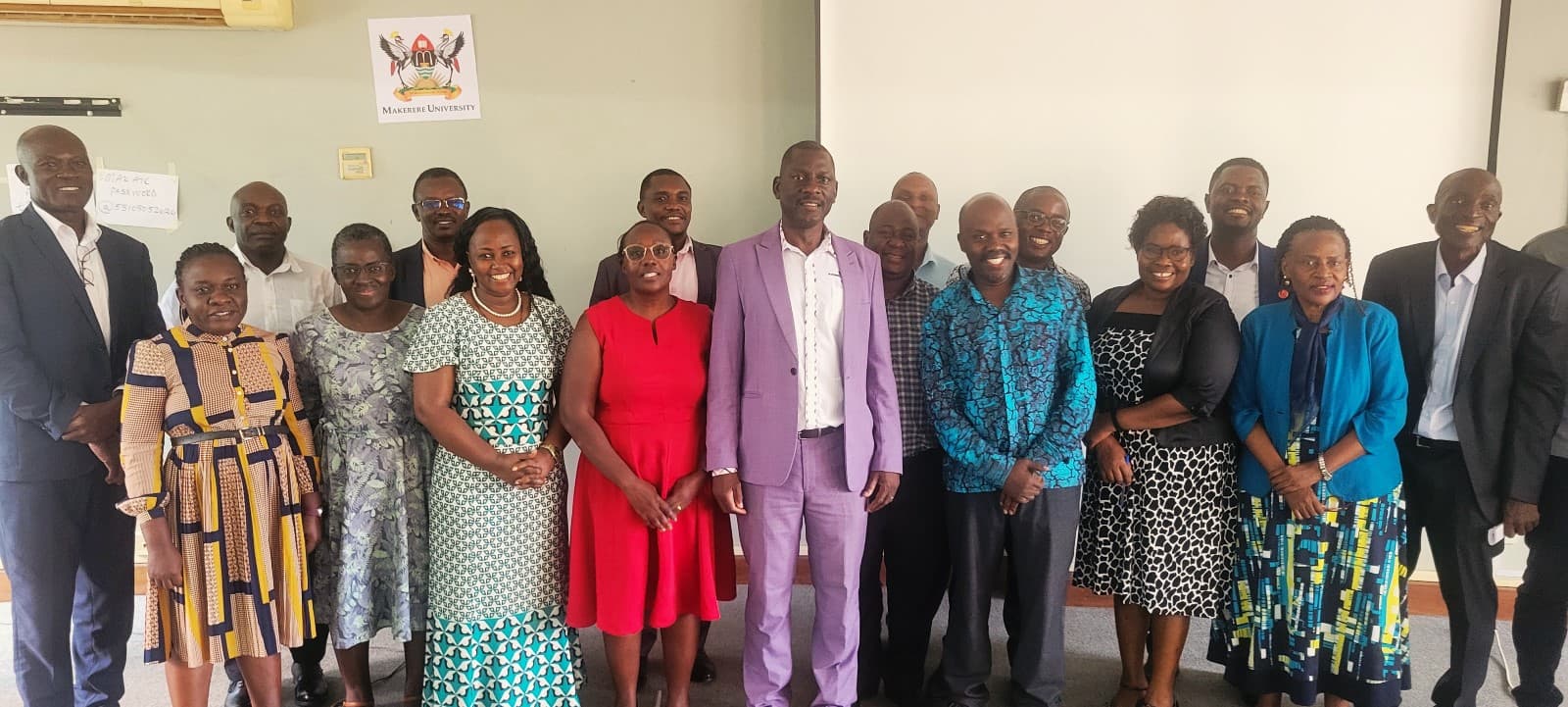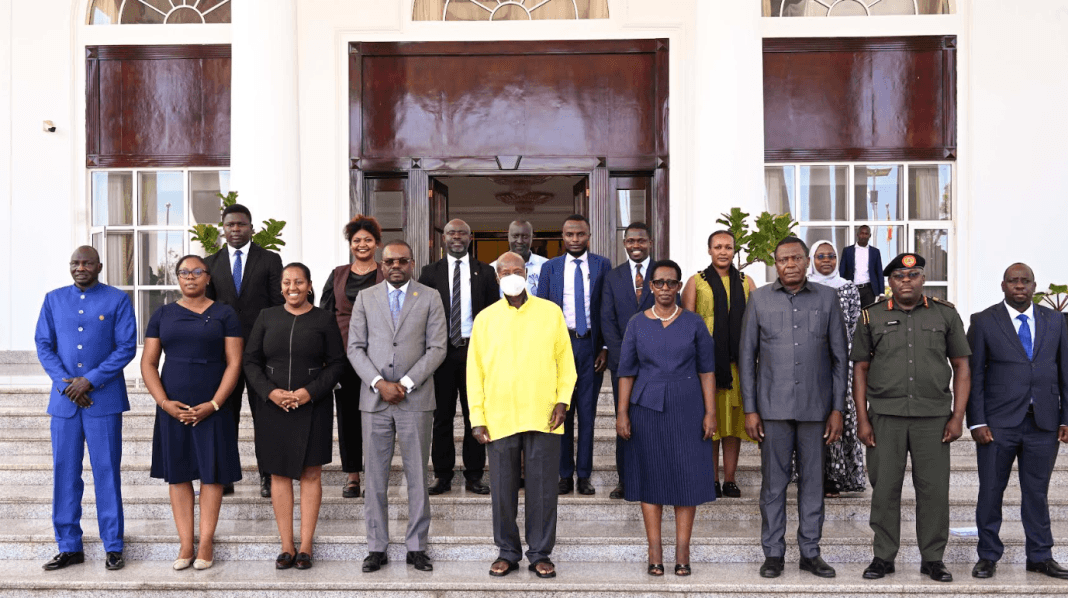
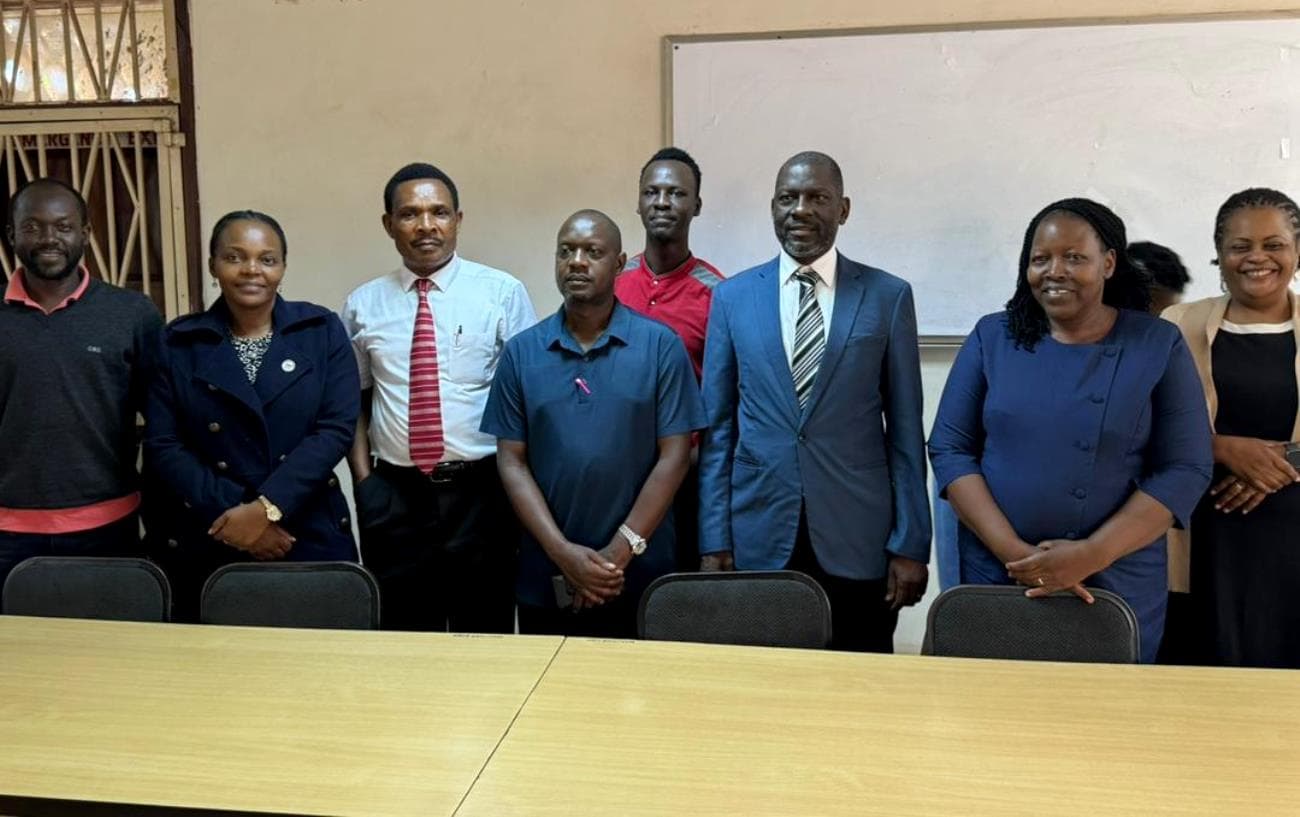
Makerere University has stepped up its digital shift in graduate training with a new system aimed at ending supervision delays and improving research quality.
The university has introduced the Research Information Management System (RIMS), which leaders say will improve coordination, increase transparency and fix long-standing gaps in graduate supervision.
Prof. Julius Kikooma, Director of Graduate Training, said the move is part of ongoing engagement with academic units to strengthen postgraduate education.
“Our visit to the Institute of Gender and Development Studies is part of continuous engagement to strengthen graduate training,” he said. “RIMS is not just about technology. It is about improving how students and supervisors work together, tracking progress, and ensuring timely completion.”
He said the university has already recorded progress, citing over 200 PhD graduates, with women making up 40 percent.
“We want to push that to 50 percent,” he added. “RIMS will help us get there by improving coordination and addressing inefficiencies.”
Kikooma said the system will also support wider goals such as boosting research output and strengthening international partnerships by streamlining application and reporting processes.
“With digitisation now fully underway, we cannot go back,” he said. “Supervisors will track performance in real time, and management will access accurate reports instantly.”
He added that use of the system is now mandatory for all academic staff and will be used to measure performance and accountability.
Prof. Ruth Nsibirano, Director of the Institute of Gender and Development Studies, said the system will close gaps that have slowed graduate completion.
“I’m very certain RIMS is going to bridge the gap between supervisors and students,” she said. “It will ensure constant updates and clear records of progress.”
She said in the past, supervision lacked visibility, with little record of interactions between students and supervisors.
“Now, there will be records showing when supervision took place, what was discussed, and who has not responded,” she said.
She added that this will improve efficiency and reduce delays, though financial challenges for students remain.
“Even with strong systems, students still need resources to complete their studies,” she said.
Dr. Julius Mugisa, Coordinator of Graduate Studies at the Institute, said the system will improve daily supervision.
“In fact, it is a very good system. It will facilitate easy supervision,” he said. “Previously, feedback could take weeks. Now, delays will be visible.”
He said the system will remove misunderstandings by recording all interactions, including comments and timelines.
“This removes the blame game and helps everyone focus on progress,” he said.
Mugisa said the system should not be seen as punitive but as a tool to improve efficiency.
“When you know progress is being tracked, it helps you stay on course,” he said.
He added that faster feedback could attract more graduate students to the university.
“Students want assurance that their work will be reviewed on time. With RIMS, that confidence will grow,” he said.
Makerere leaders say the system marks a key step in improving graduate education, with a focus on efficiency, accountability and research excellence.
 Education
Makerere Boosts International Links With New US Collaboration
Makerere University has signed a partnership agreement with the University of Notre Dame to strengthen research, training and academic exchange programmes.