
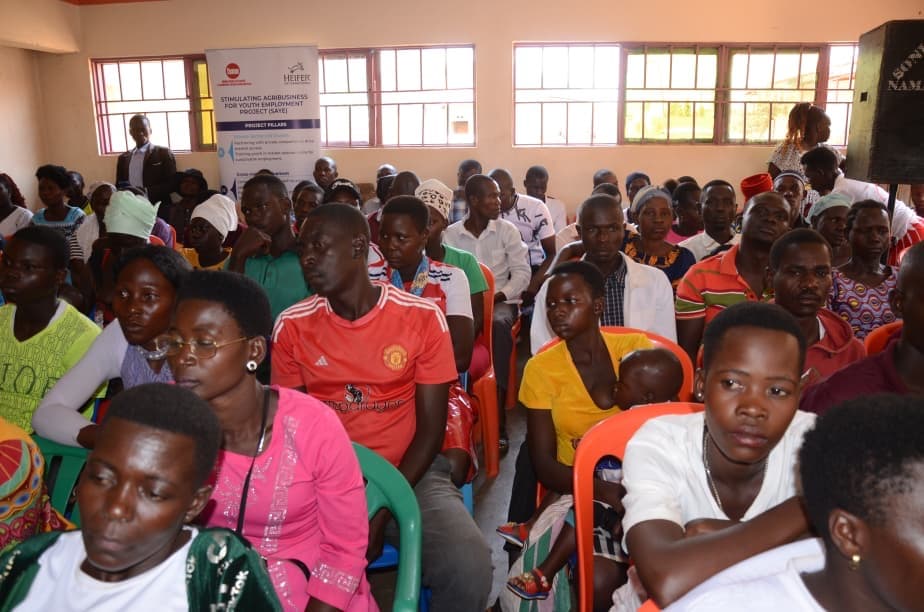
On a hot Friday morning in Namayingo, dozens of young people filled a community hall, their voices rising with questions and expectations. For many, the meeting with officials from the Federation of Small and Medium-Sized Enterprises (FSME) Uganda was more than just another dialogue—it was a glimpse of hope in a region long plagued by youth unemployment.
The dialogue, held on September 5, 2025, was part of the Strengthening Agribusiness Youth Enterprises (SAYE) Project, an initiative designed to equip young people in Busoga with practical skills, market access, and financial opportunities. FSME officials said the project is expected to directly reach 62,000 entrepreneurs out of the 250,000 youth targeted across 11 districts.
Emmanuel Abibi, FSME’s Policy, Grouping and Marketing Officer, said the engagement built on findings from a survey conducted last year to assess local government support for youth. “We had several findings from that survey,” Abibi explained. “Today we wanted to share those findings with the youth and engage them further. The goal is to help them understand that, beyond this project, they can benefit from policies and government-aided programs.”
In Namayingo alone, at least 500 young people are expected to benefit, especially those in poultry, horticulture, beef, and oil seed value chains. Yet, the challenges remain stark.
Speaking at the dialogue, Sarah Kibenge Kabasinguzi highlighted barriers that frustrate youth-led businesses. She pointed to limited access to capital, poor financial literacy, inadequate business skills, and weak market linkages. “Some youth have money but lack the knowledge of how to use it,” Sarah said. “Others don’t keep records or have no clear idea about the businesses they are running. Corruption and poor monitoring make it worse, as many young people fail to benefit from programs like the Parish Development Model (PDM) or Emyooga.”
Sarah also raised concerns about infrastructure, citing poor roads and security issues that delay produce from reaching markets. She urged government to improve monitoring systems and sensitize youth on how to access public programs before releasing funds. “Youth must also embrace training opportunities and approach business with discipline, good customer care, and a positive mindset,” she said.
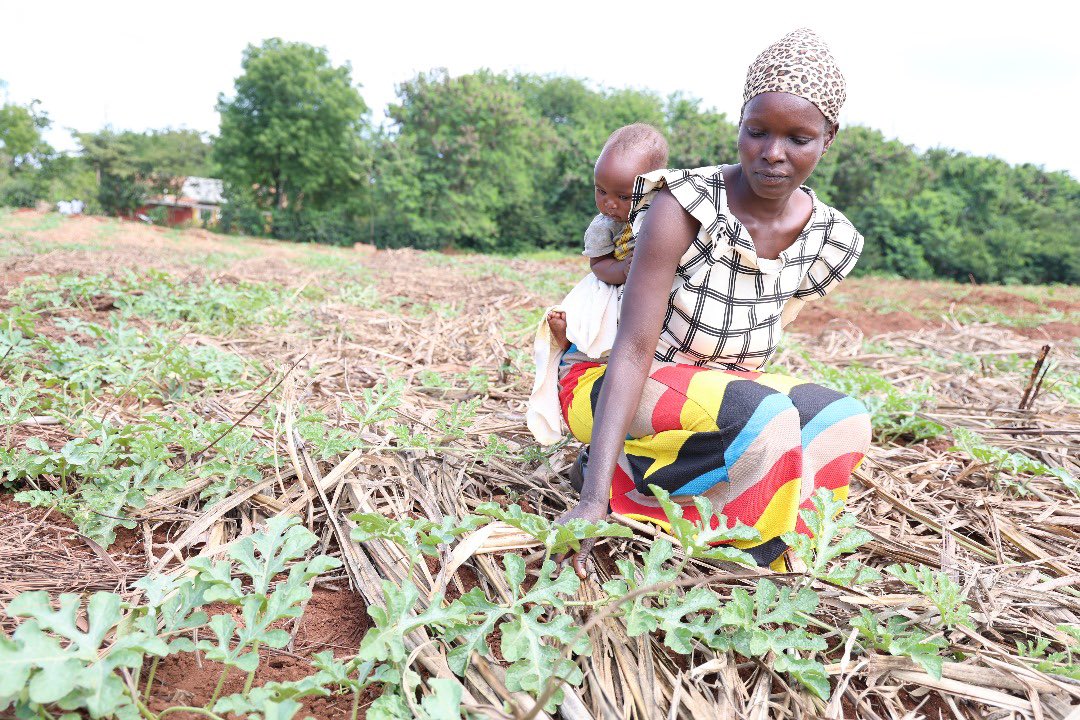
The meeting brought more encouraging news on financing. Odako Zadok, the Commercial Officer of Mayuge District, announced that over UGX 350 million will soon be injected into youth enterprises through a partnership between FSME and other development actors, including ASIGMA. The funds will focus on horticulture and poultry businesses, with SACCOs managing disbursement. “Preparations are underway,” Odaku said. “FSME is preparing to support horticulture and poultry enterprises, while ASIGMA is organizing how money will flow through SACCOs to the youth. Love the project, work with the team, and you will see the results.”
For decades, Busoga has been synonymous with high poverty and unemployment. Programs like SAYE are viewed as a chance to rewrite that narrative by positioning young people not just as beneficiaries but as active participants in agribusiness.
As Abibi concluded, the project’s impact is designed to outlive its six-year timeline. “We are here to improve the social and economic well-being of young people, to help them create their own businesses, and to ensure they benefit from existing government programs. This is about resilience and sustainability.”
Funded by Heifer International and the Mastercard Foundation, SAYE runs until 2029 with the goal of creating 175,000 jobs for youth aged 16 to 35. With its focus on skilling, financing, and market linkages, it promises to turn untapped potential into thriving agribusiness enterprises across Busoga.