Oranagate, a joint venture between Uganda’s Southgate Properties Limited and Denmark’s Orana AS, is setting up a fruit-processing and bottling factory in Uganda worth $6 million (about Shs170 Billion).
The facility will process local fruits into shelf-stable products for export. It will also allow small businesses to use industrial production without high upfront costs.
At full capacity, the plant will handle five metric tonnes of fruits per hour. This equals about 12,000 tonnes annually. The factory will process mangoes, pineapples, passion fruit and tomatoes.
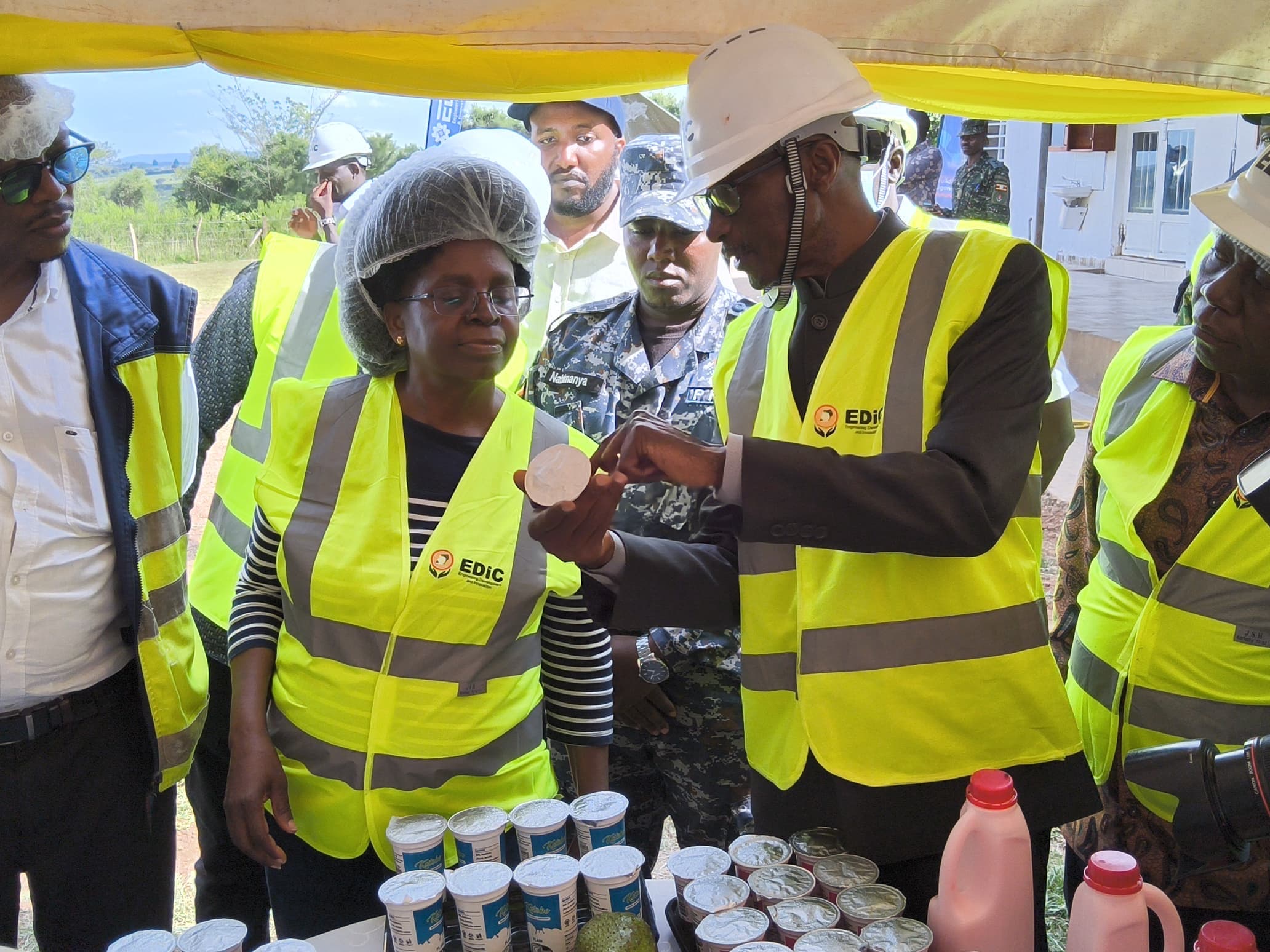
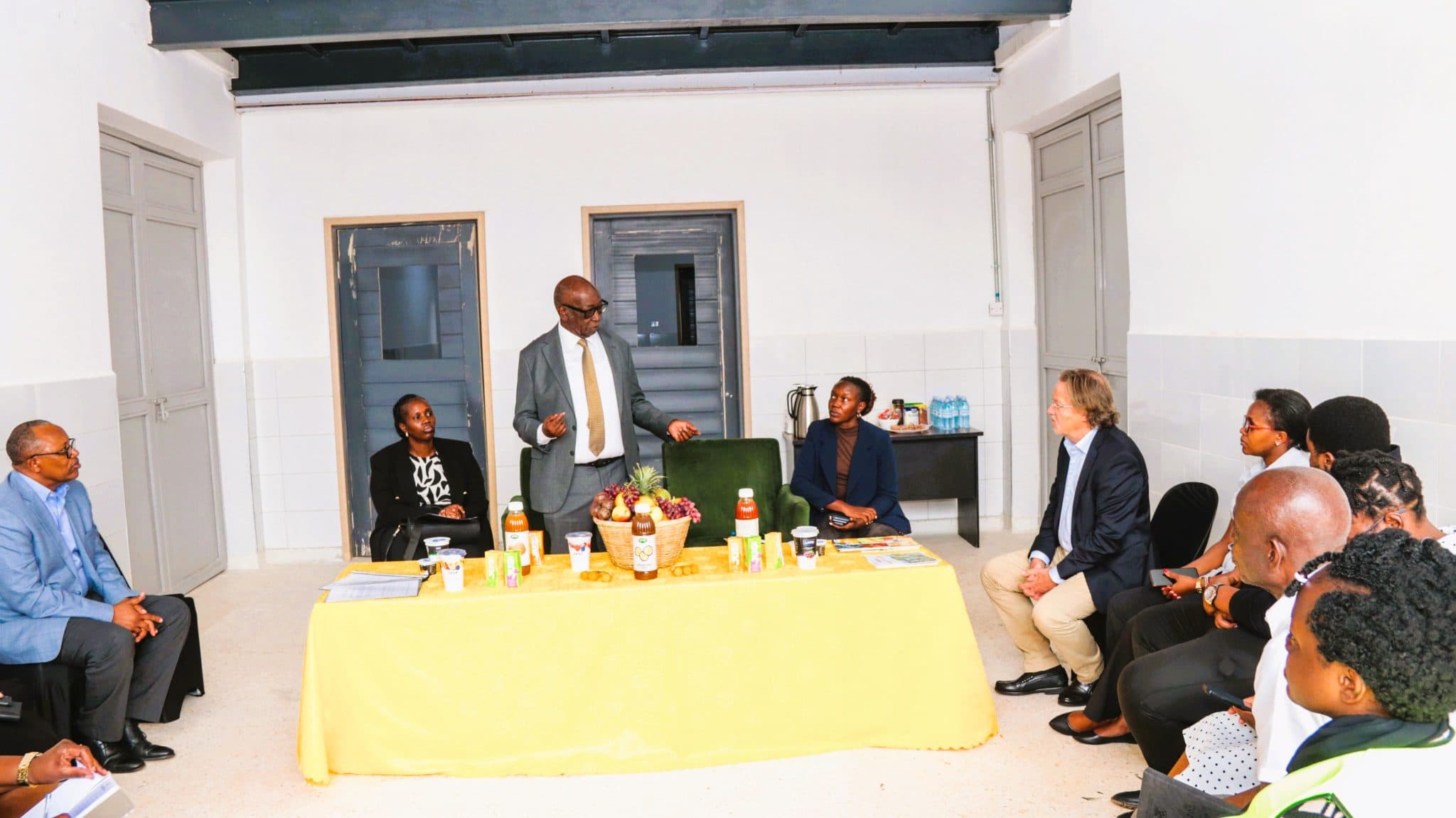
The minister of Trade and Industry, Francis Mwebesa, visited the site and said the project will add value to Uganda’s produce. He said it will create jobs, expand markets for farmers and support economic growth.
Southgate Properties country director Richard Munyaneza said the factory will help manage excess fruit by turning it into pulp for export.
“The factory aims to at addressing a structural market gap between the farmer and the market by adding value and creating shelf-stable products for regional distribution and export”.
He said the company will work with cooperatives and out-growers. Plans are also in place to set up a nucleus farm for training and organic farming.
Orana AS managing director Neils Osterberg said the focus will be on quality and global market access.
“Our contribution is to make sure that the quality that comes out of the factory is perfect and meets international market standards”.
The factory will produce its own brands and also manufacture for other companies. This will help Ugandan businesses that lack machinery and technical skills.
Start-ups will be able to bring product ideas, develop them using the factory’s equipment, and leave with finished goods. This reduces the need for large capital investment.
 business
Stanbic Uganda Shareholders to Receive Shs360 Billion Payout on Strong 2025 Performance
Stanbic Uganda reported strong 2025 results, posting Ushs 591 billion in profit and declaring a Ushs 360 billion dividend as growth, efficiency, and investor confidence improved.