
The Government of Uganda has launched a massive drive to transform the grain sector into a primary engine for export growth under the ambitious Tenfold Growth Strategy.
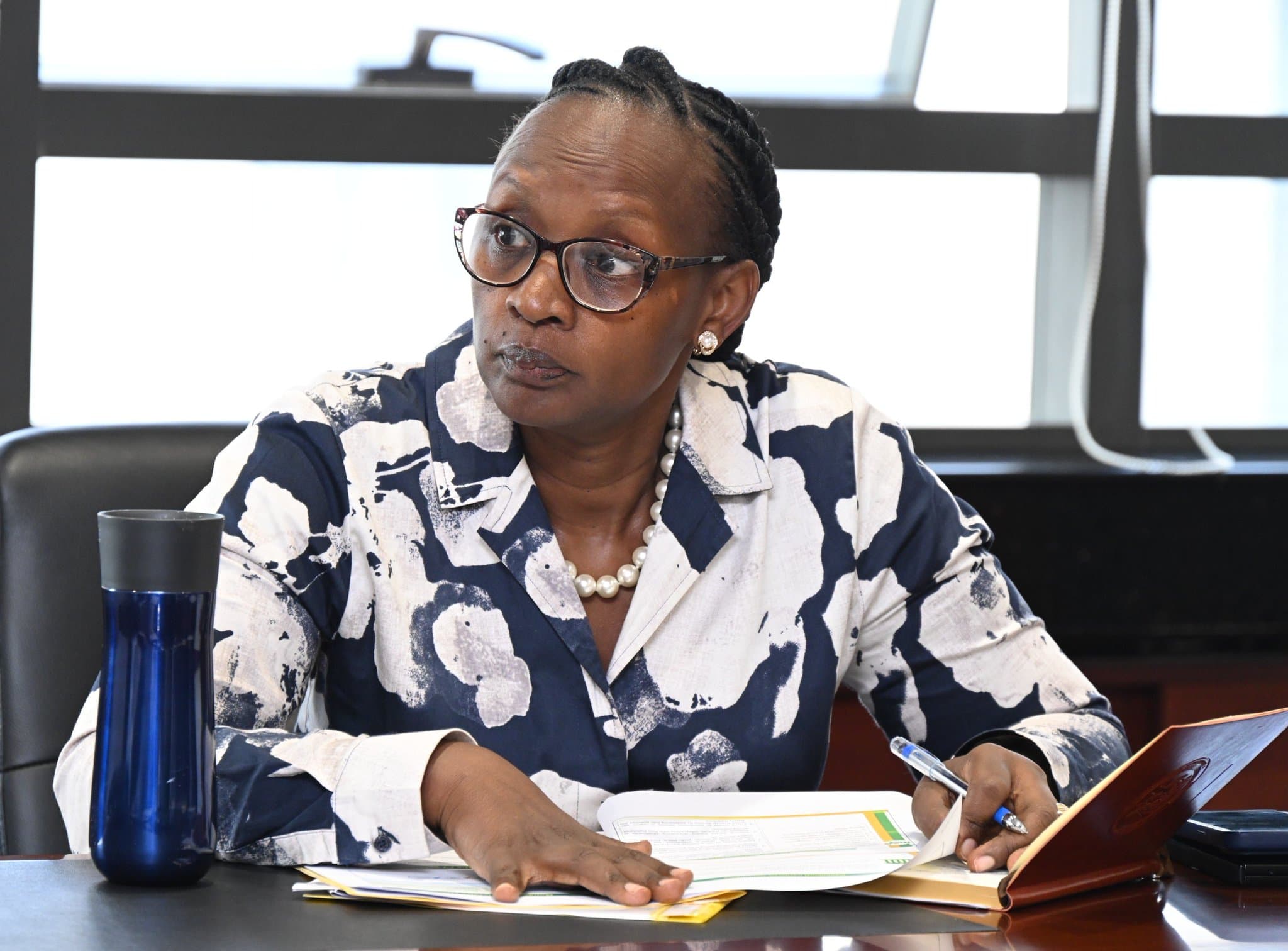
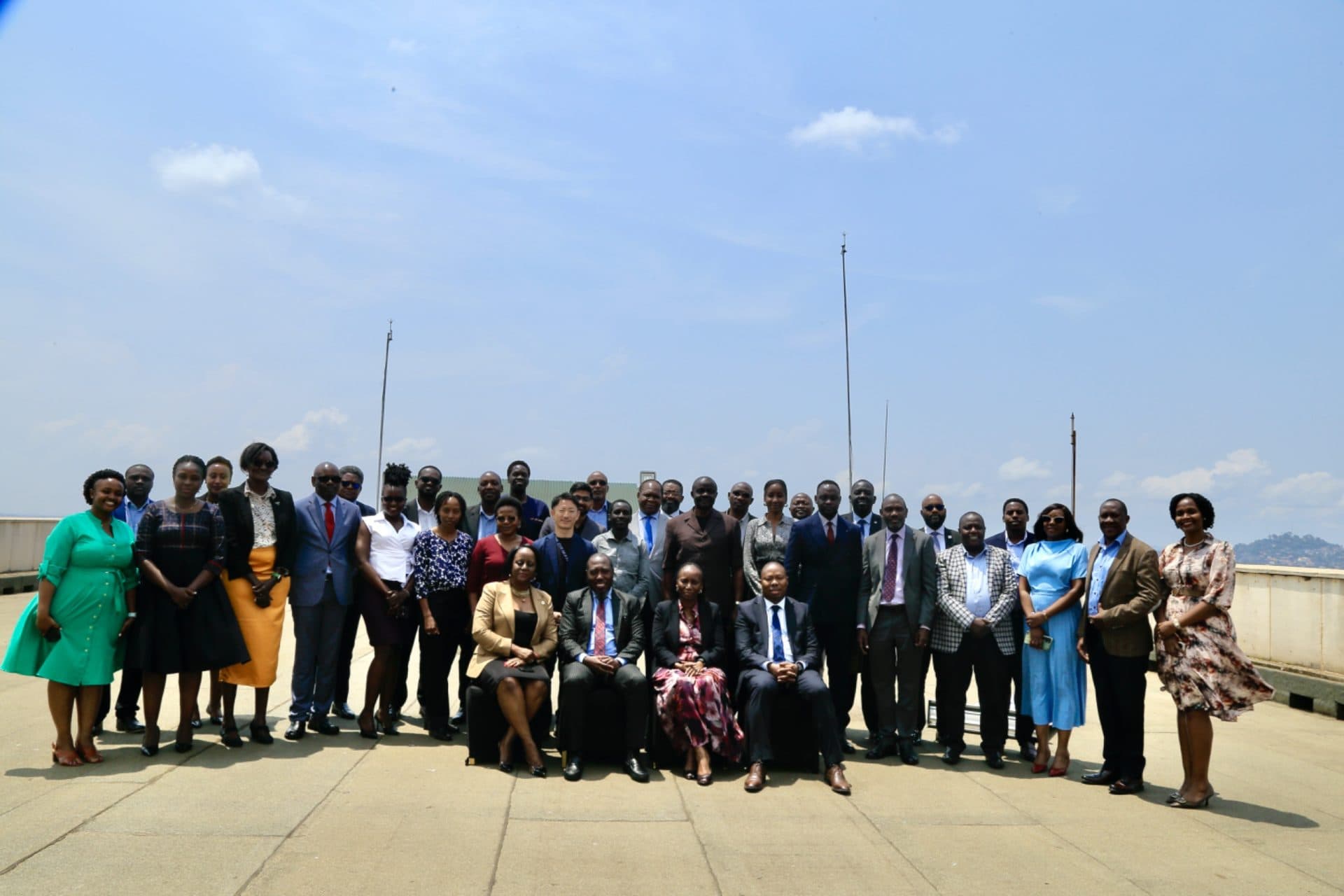
Permanent Secretary and Secretary to the Treasury, Ramathan Ggoobi, announced the plan during a high-level meeting with private sector stakeholders. He revealed that the government aims to skyrocket Uganda’s exports from the current 12 percent to 50 percent of the Gross Domestic Product (GDP). This strategy prioritizes value addition and agro-industrialization to reach an annual export value of $20 billion for agricultural products.
Dr. Ggoobi emphasized that the country must move away from exporting raw materials to remain globally competitive. He noted that processing agricultural products into finished goods is the only way to meet international market standards.
"Government is targeting a major increase in Uganda’s exports under the Tenfold Growth Strategy through value addition and agro-industrialization," Dr. Ggoobi stated.
To support this transition, the government is implementing mechanisms to ensure a steady supply of raw materials for manufacturers. Dr. Ggoobi highlighted the success of the Parish Revolving Fund in empowering local producers. By April 2026, the government had disbursed UGX 3.78 trillion to 3.7 million beneficiaries. These individuals have primarily invested in livestock and crops like maize and cassava, which serve as essential inputs for animal and fish feed production.
Furthermore, a new UGX 176 billion financial facility has been established to support large-scale commercial farming. This initiative is a collaboration between the government, the Grain Council of Uganda, Pearl Bank, Pride Bank, and Housing Finance Bank. The facility provides subsidized loans specifically for farmers growing maize, beans, sorghum, and animal fodder.
The PSST added that the strategy also seeks to increase the share of medium and high-tech products within Uganda’s manufacturing exports. By strengthening the entire value chain, the government expects to create a more resilient and self-sustaining economy.