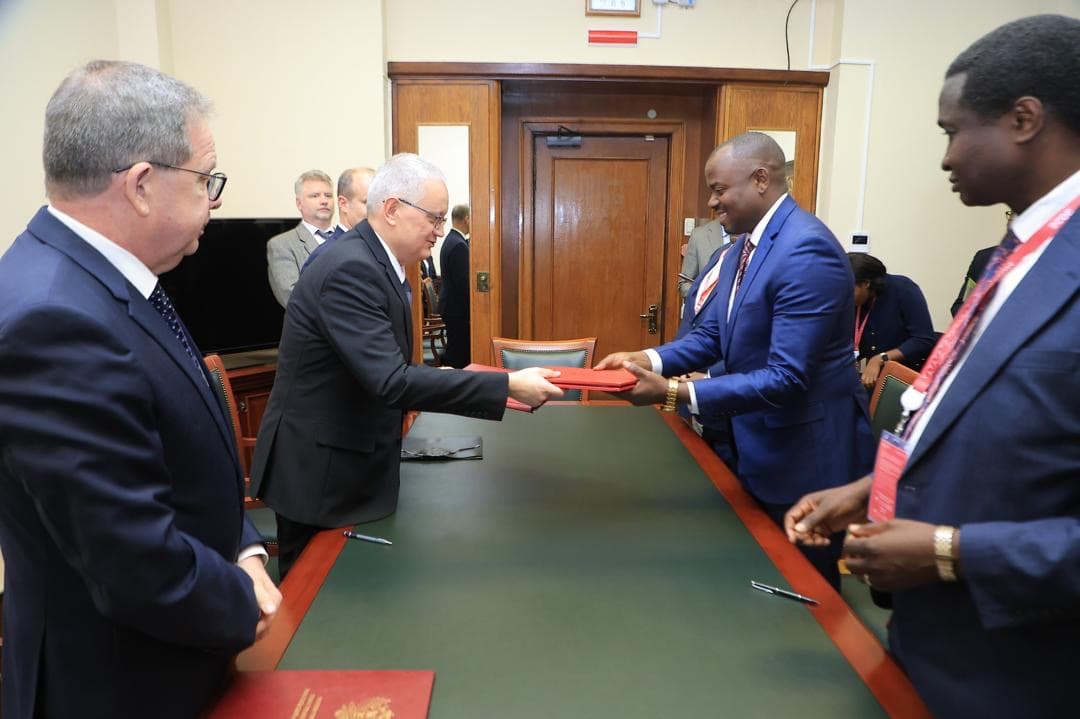
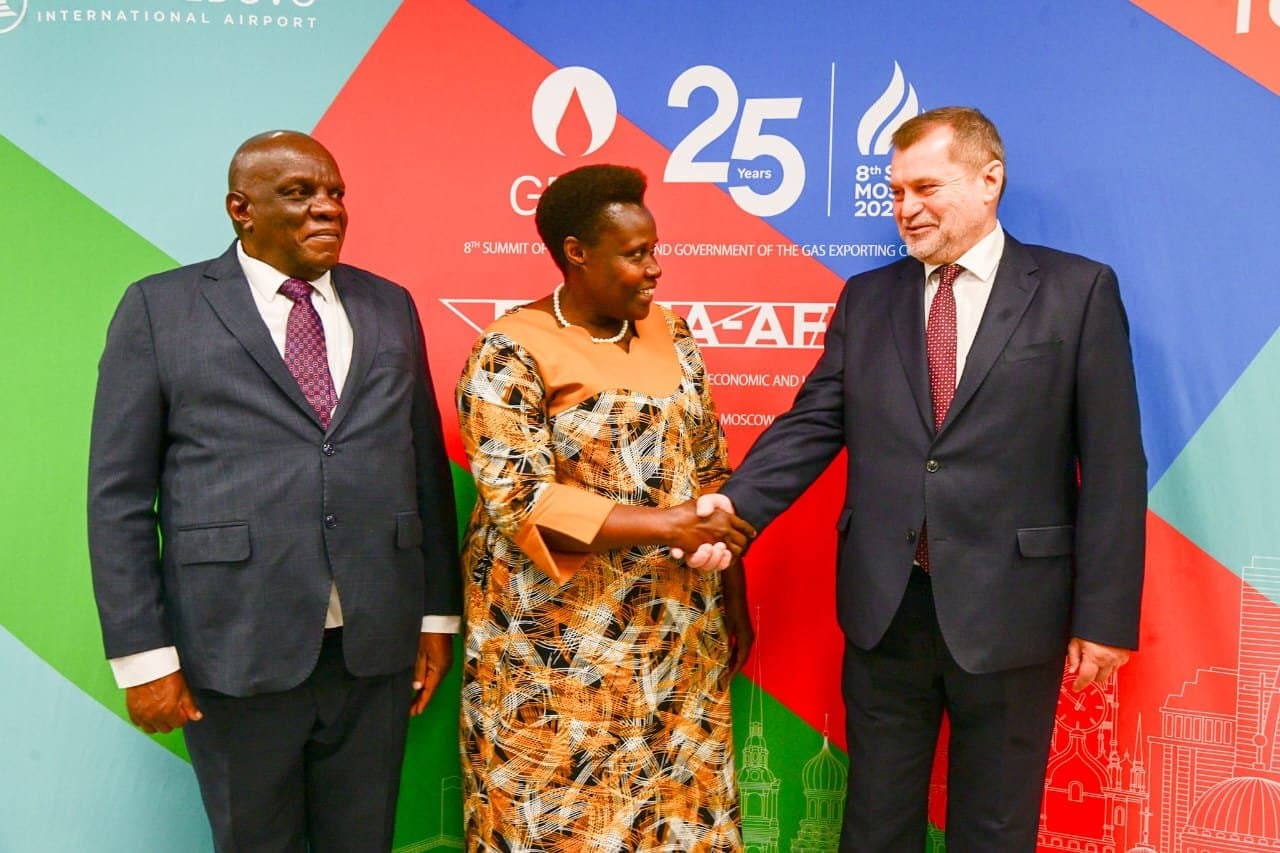
President Yoweri Kaguta Museveni has called on the Russian Federation to open its domestic market to African value-added commodities and invited Russian capital to finance regional infrastructure projects across the East African Community (EAC).
In an address delivered on his behalf by Vice President Maj. (Rtd) Jessica Alupo at the Third Russia–Africa Summit in Moscow, President Museveni emphasized that equitable trade access and agro-industrialization are vital to sustaining continental economic growth.
The President urged Russian President Vladimir Putin to grant preferential market entry for processed African goods, including value-added coffee, fruits, fish products, textiles, leather merchandise, cereals, nuts, and vegetable oils. He noted that direct access for processed exports would enable African economies to escape the trap of raw-material extraction and secure higher export margins.
Highlighting regional economic integration, President Museveni noted that the EAC, comprising Uganda, Kenya, Tanzania, Rwanda, Burundi, South Sudan, Somalia, and the Democratic Republic of Congo, boasts a combined population of 331 million consumers and an intra-regional trade volume of USD 356 billion. As part of the wider Continental Free Trade Area (CFTA) of 1.5 billion people, he pointed out that regional demand has shielded vital industries such as sugar, maize, dairy, and steel manufacturing from domestic market saturation.
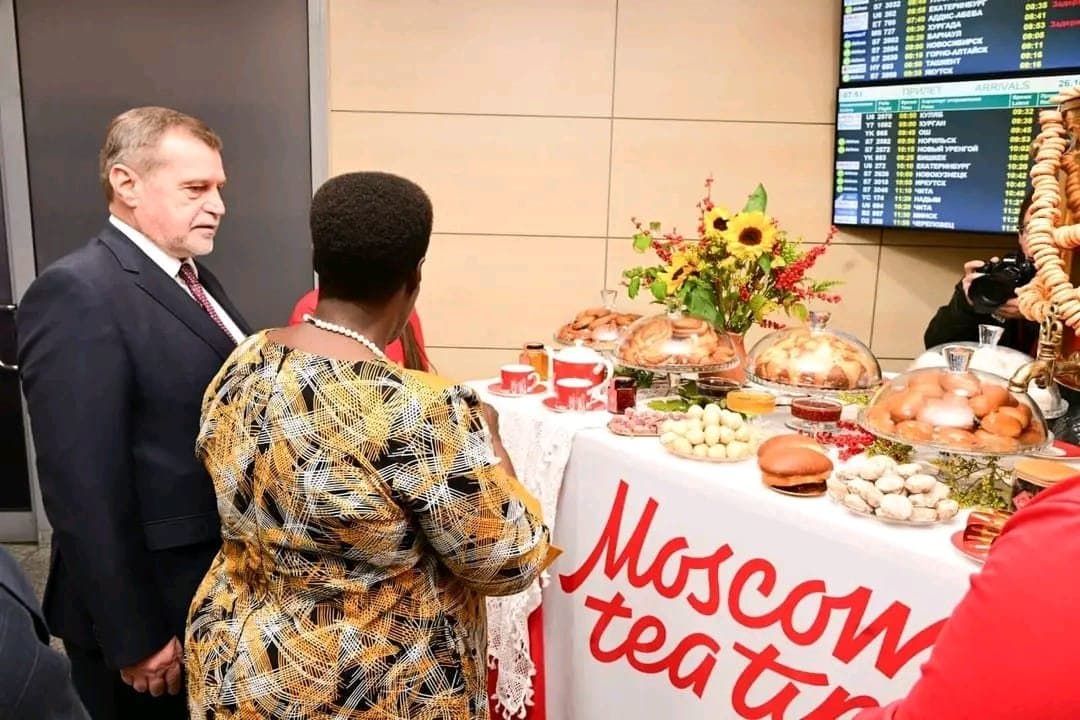
To connect regional production centers with the broader African market, the President invited Russian enterprises to invest heavily in critical logistical and utility enablers, notably railway networks, inland water transport platforms, and power generation encompassing hydro stations, solar installations, natural gas, and nuclear power plants.
President Museveni also paid tribute to the historical solidarity between the former Soviet Union and the African continent, recognizing Moscow’s foundational backing of African anti-colonial liberation movements dating back to 1917. He cited landmark bilateral development partnerships fostered through that legacy, including the construction of the Aswan High Dam on the River Nile in Egypt and the establishment of Busitema University in Uganda, which has expanded into an institution of science, technology, agriculture, and health sciences enrolling 9,200 students.
Uganda used the summit to lobby for investment in local value addition and processing facilities to ensure commodities are manufactured domestically before export.