
Deputy Speaker Thomas Tayebwa has asked the European Union to increase support for Uganda’s refugee response, saying a funding gap is straining schools, health centres and communities that host refugees.
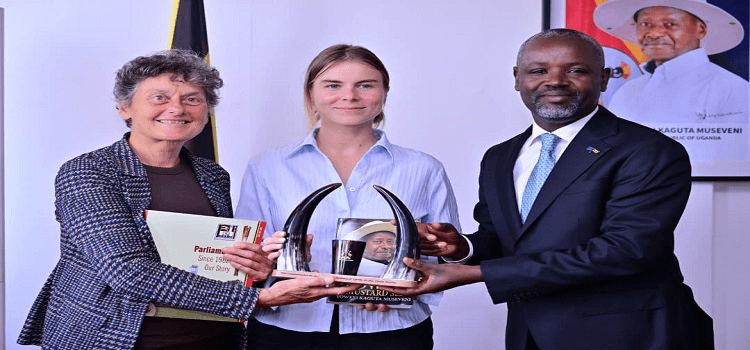
Tayebwa made the appeal during a meeting with Members of the European Parliament Tineke Strik and Anna Strolenberg at Parliament on September 21, 2026. The lawmakers were visiting Uganda to learn about its refugee policy and discuss cooperation with the EU.
Tayebwa said Uganda’s 2026 refugee response plan needs about $850 million, but international partners have provided only 12 per cent of that amount. Uganda hosts more than two million refugees and asylum seekers, most of them women and children. The largest groups come from South Sudan and the Democratic Republic of Congo.
He said the funding gap had reduced the number of teachers and health workers supported by international partners. It had also put pressure on the Office of the Prime Minister’s refugee department.
“From our assessment, the current humanitarian funding model is no longer sufficient. Without alternative financing, pressure will overwhelm the government and host communities,” Tayebwa said.
He said Uganda would continue to welcome people fleeing conflict, but urged the EU to help address the conflicts that force them from their homes. He warned that refugees left without support could face trafficking or recruitment by armed groups.
The EU has allocated €20.7 million in humanitarian aid to Uganda this year, down from €23.9 million in 2025. Strik praised Uganda’s approach to hosting refugees and said international partners should not leave the country to carry the burden alone.