

The World Bank Group has launched a new 10-year partnership framework for Uganda that could channel about $10.5 billion (Shs38.3 trillion) into the country through direct financing and private sector investment by 2035.
The plan, which will run from 2026 to 2035, aims to create jobs, attract investment and improve living standards. It was developed jointly with the Ugandan government and aligns with Uganda's Vision 2040 and the Fourth National Development Plan.
At the centre of the strategy is job creation. The World Bank estimates that between 600,000 and 700,000 young Ugandans join the labour market each year. The framework seeks to expand employment opportunities and support sectors that can absorb the growing workforce.
World Bank Country Manager for Uganda Francisca Ayodeji Akala said Uganda has the resources and human capital needed to achieve long-term growth.
“Uganda has extraordinary assets: a young population full of potential, abundant natural resources, and a government committed to long-term transformation. The CPF is our commitment to walk alongside Uganda over the next decade by investing in its people, infrastructure, and institutions that will power prosperity and translate growth into jobs and better living standards. When Ugandans work, families thrive and communities grow,” she said.
The strategy focuses on four key areas. These include improving public institutions and government systems, strengthening healthcare and skills development, expanding transport and infrastructure networks, and supporting businesses to become more productive and competitive.
The World Bank said these priorities are intended to remove barriers that slow economic growth while creating conditions that encourage businesses to invest, expand and hire more workers.
The framework brings together support from different branches of the World Bank Group. These include the International Development Association, which provides funding to developing countries, the International Finance Corporation, which supports private businesses, and the Multilateral Investment Guarantee Agency, which helps reduce risks faced by investors.
The institution said the coordinated approach will help speed up infrastructure development, improve public services and attract more private investment into Uganda.
Over the next decade, the World Bank hopes to help double access to electricity from 25 million people to 50 million. It also plans to support healthcare, nutrition and population services for 22 million people.
The framework targets support for 10 million learners through improved education and skills programmes. It also aims to improve transport services for 20 million people and expand access to financial services for 14 million individuals and businesses, including nine million women.
In agriculture, the World Bank aims to help double crop yields in selected value chains to boost productivity and incomes.
Under the programme, the World Bank expects to provide about $2 billion during each three-year funding cycle. Over the 10-year period, this would amount to roughly $6.7 billion in direct financing.
The institution also hopes to attract up to $1.3 billion in private sector investment and mobilise a further $2.5 billion from private investors and capital markets.
Combined, the financing and investment targets could bring about $10.5 billion, equivalent to about Shs38.3 trillion, into Uganda over the life of the framework.
The World Bank said the long-term strategy is intended to support major reforms, strengthen institutions and sustain economic growth. Regular reviews will be carried out to allow Uganda and the World Bank to adjust priorities as economic and social conditions change.
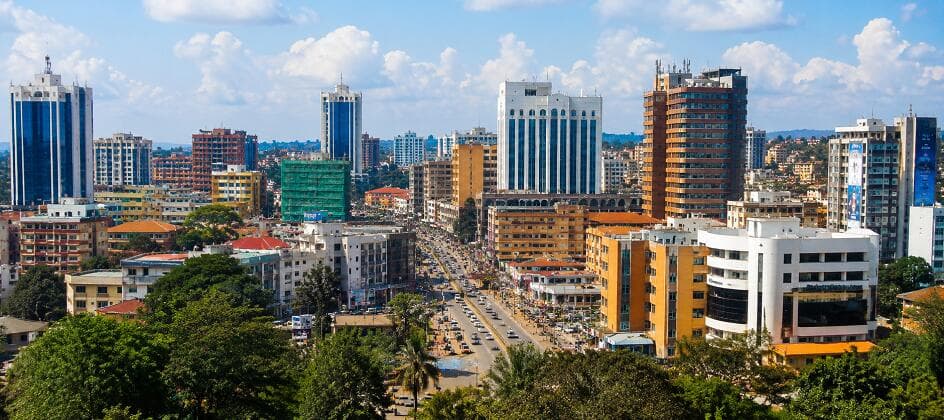
The strategy could mobilise about $10.5 billion (Shs38.3 trillion) in financing and investment.
The World Bank has unveiled a new 10-year strategy that could channel Shs38.3 trillion into Uganda to create jobs, improve services and support economic growth.
Advertisement
N
Nicholas Agaba
Author
Topics
Advertisement