

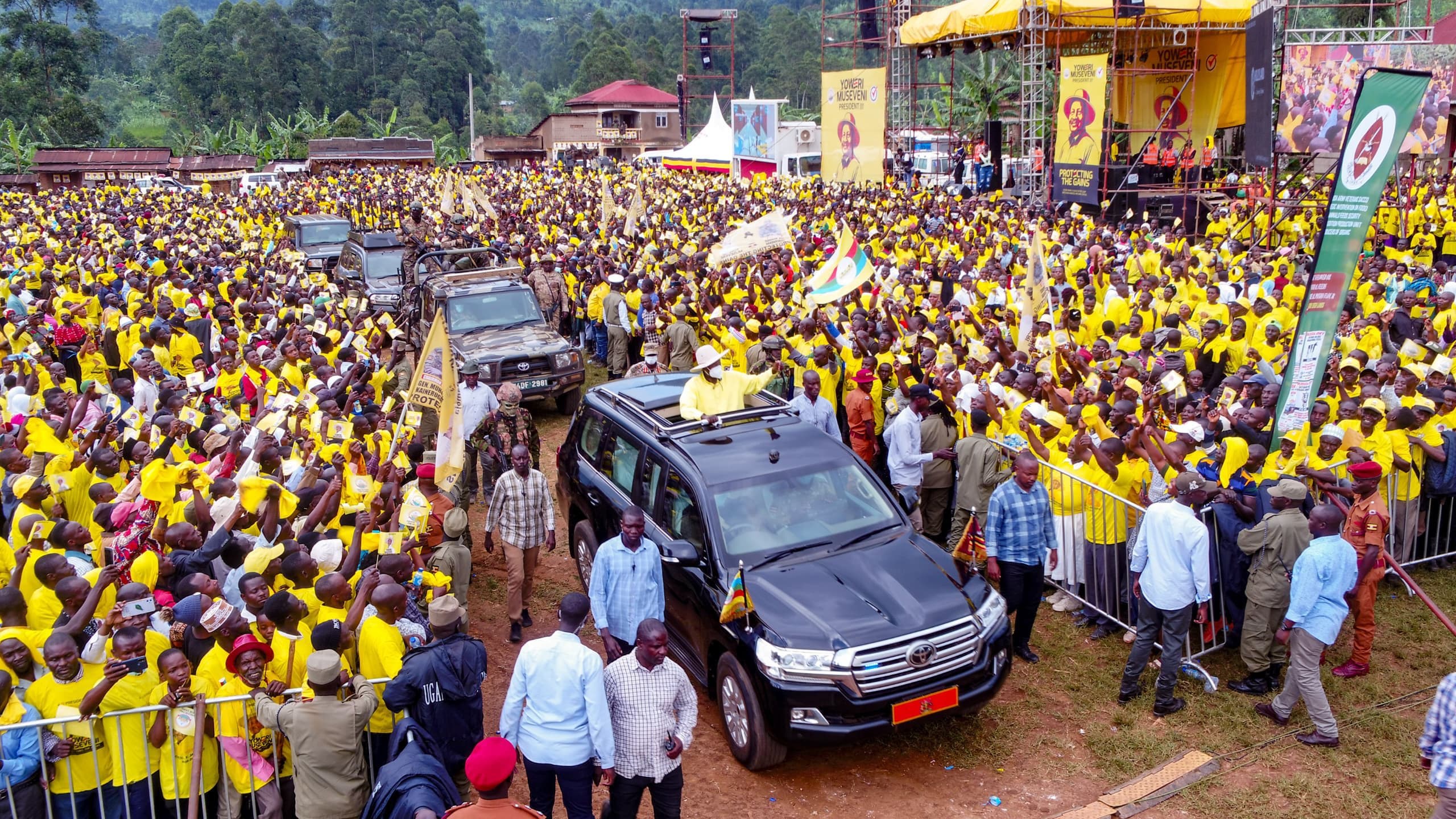
For years, Bududa’s winding hills were known more for landslides than livelihoods. But the story is changing. On newly tarmacked roads, trucks now snake through villages once cut off by poor access, carrying milk, bananas, and even beef from local farmers, a quiet revolution of connectivity unfolding in eastern Uganda.
It’s a transformation President Yoweri Kaguta Museveni says is proof that infrastructure is the backbone of wealth creation.
Addressing cheering crowds in Bududa, the President reaffirmed that his government’s development strategy rests on two unshakable pillars, peace and infrastructure which together are shaping Uganda’s socio-economic future.
“Development must rest on two main pillars, peace and infrastructure. These form the backbone of Uganda’s transformation,” Museveni said.
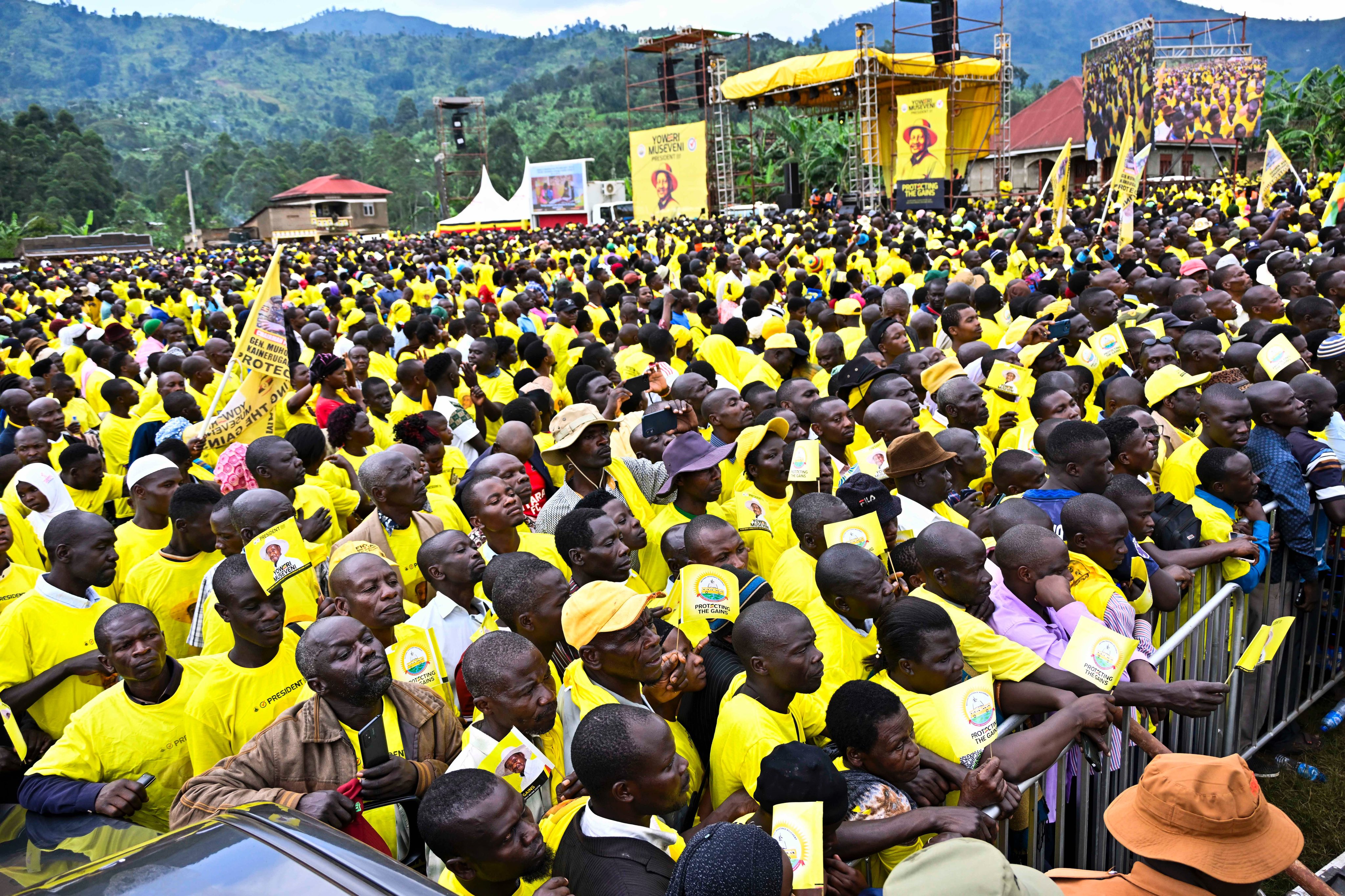
He pointed to the Mbale, Bumbobi Bubulo, Lwakhakha road, now complete, as a lifeline for farmers and traders who for decades struggled to access markets. The government, he added, has secured funding to finish the Bubulo, Namisindwa, Bududa circular road, a key link expected to open up new economic corridors across the Bugisu region.
“The road from Mbale to Bududa has taken time, but now we have secured the funds and we are going to finish it. Prioritization works,” he said, drawing applause from the crowd.
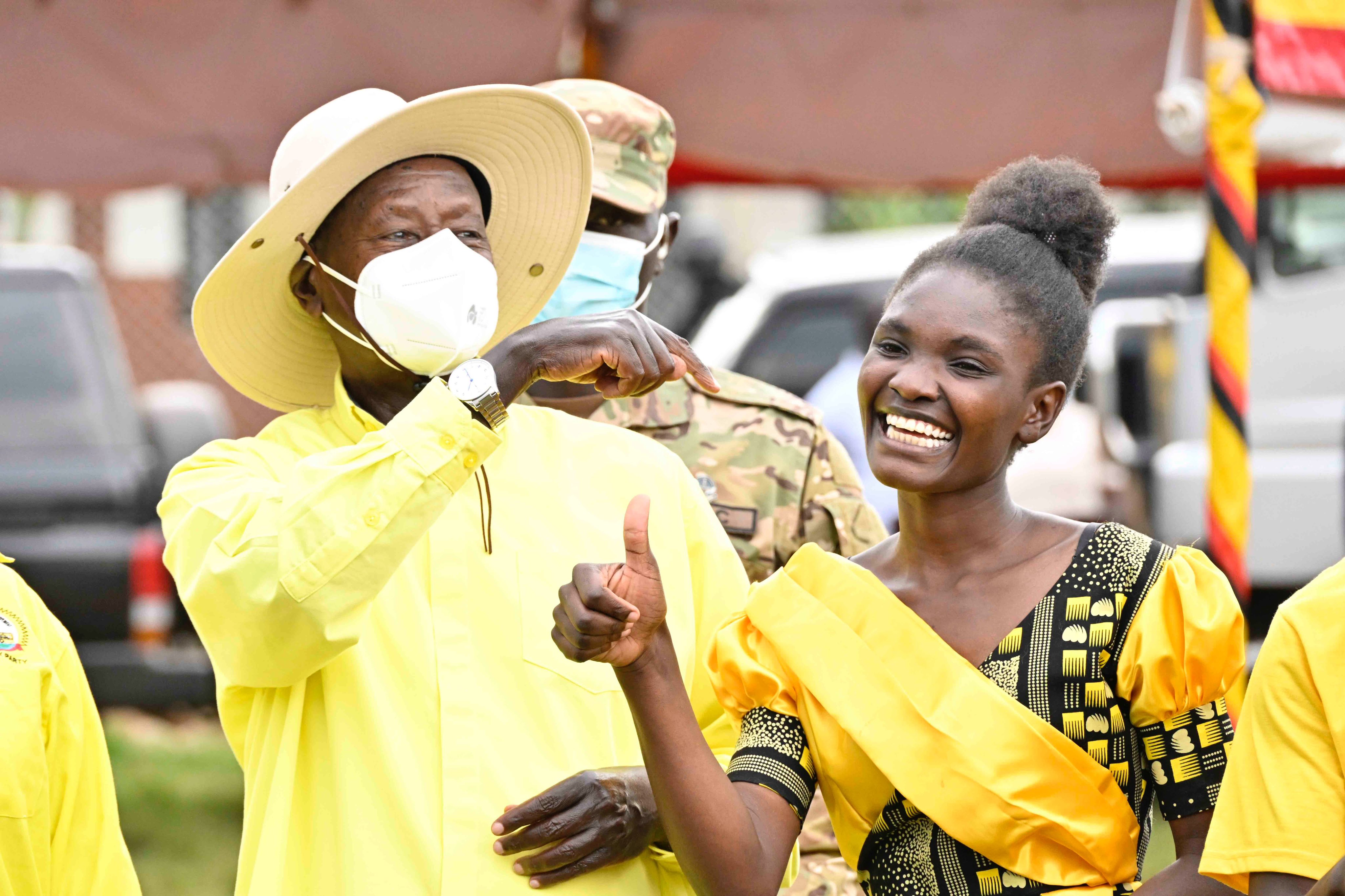
The President highlighted testimonies from local leaders who said that through the Parish Development Model (PDM), Bududa’s farmers have evolved into suppliers of beef and dairy products to eastern Uganda and even Kampala, tangible proof of rural transformation.
“Infrastructure alone is not enough. People must also work hard to improve their households. That is why these programs exist to help you get out of poverty,” Museveni explained.
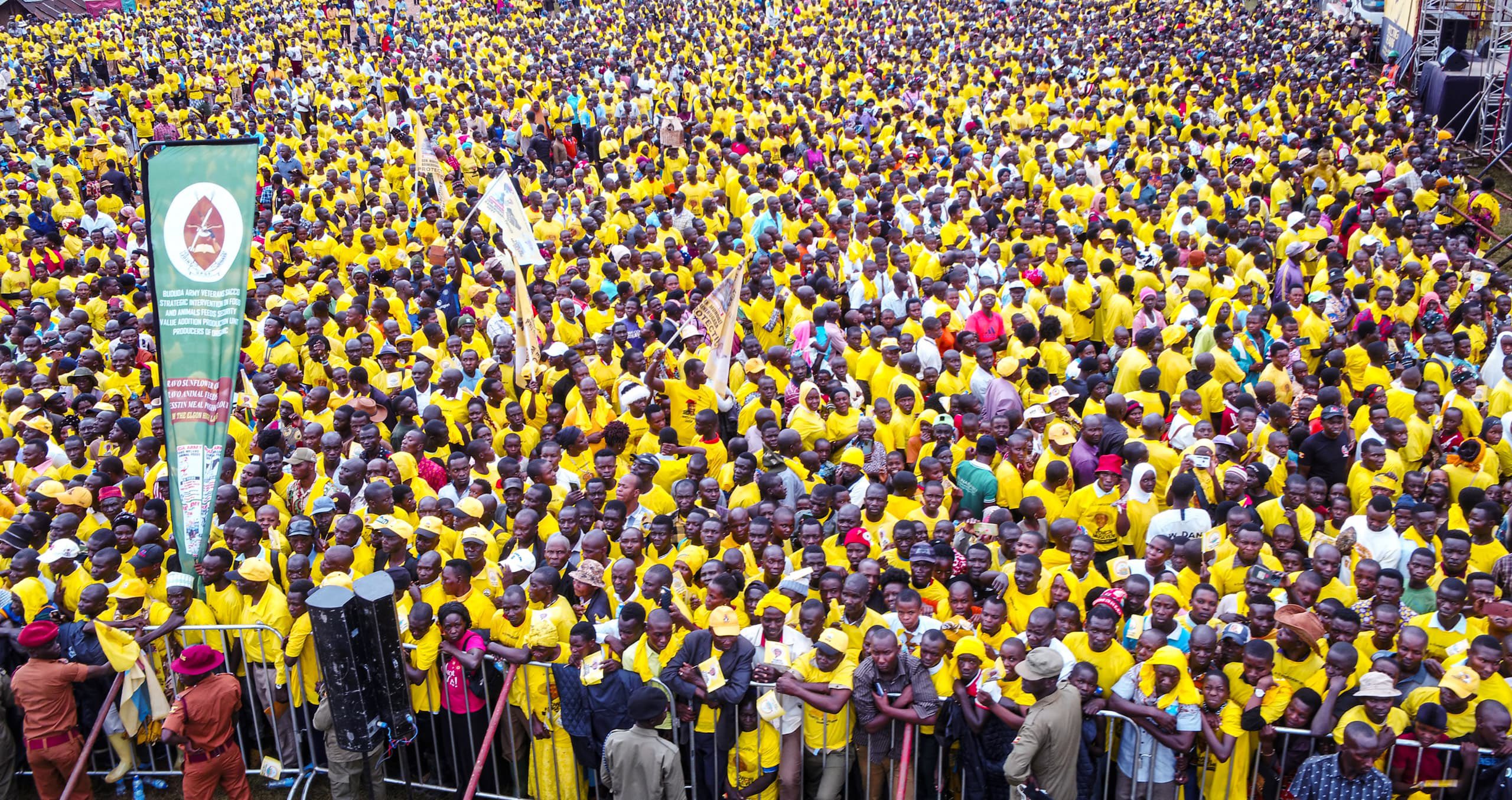
He emphasized that every bridge, power line, and road is a building block for Uganda’s industrial future. Projects such as the Bujagali Hydropower Station and Mbale Industrial Park, he said, are examples of how strategic infrastructure investment has created jobs and stimulated regional economies.
“If we had not focused on electricity first, the factories in Mbale Industrial Park would not exist. These factories are employing many people and transforming the region,” Museveni noted.
Bududa’s transformation, however, extends beyond roads and power. The President cited government investments in education and healthcare, including the establishment of a government primary school in every parish and a Health Centre III in every sub-county.
Museveni cautioned against corruption in local development programs and called for transparency to ensure that national efforts translate into household prosperity.
“Our method has always been to identify what is crucial and do it well. That discipline has enabled Uganda to progress,” he said.
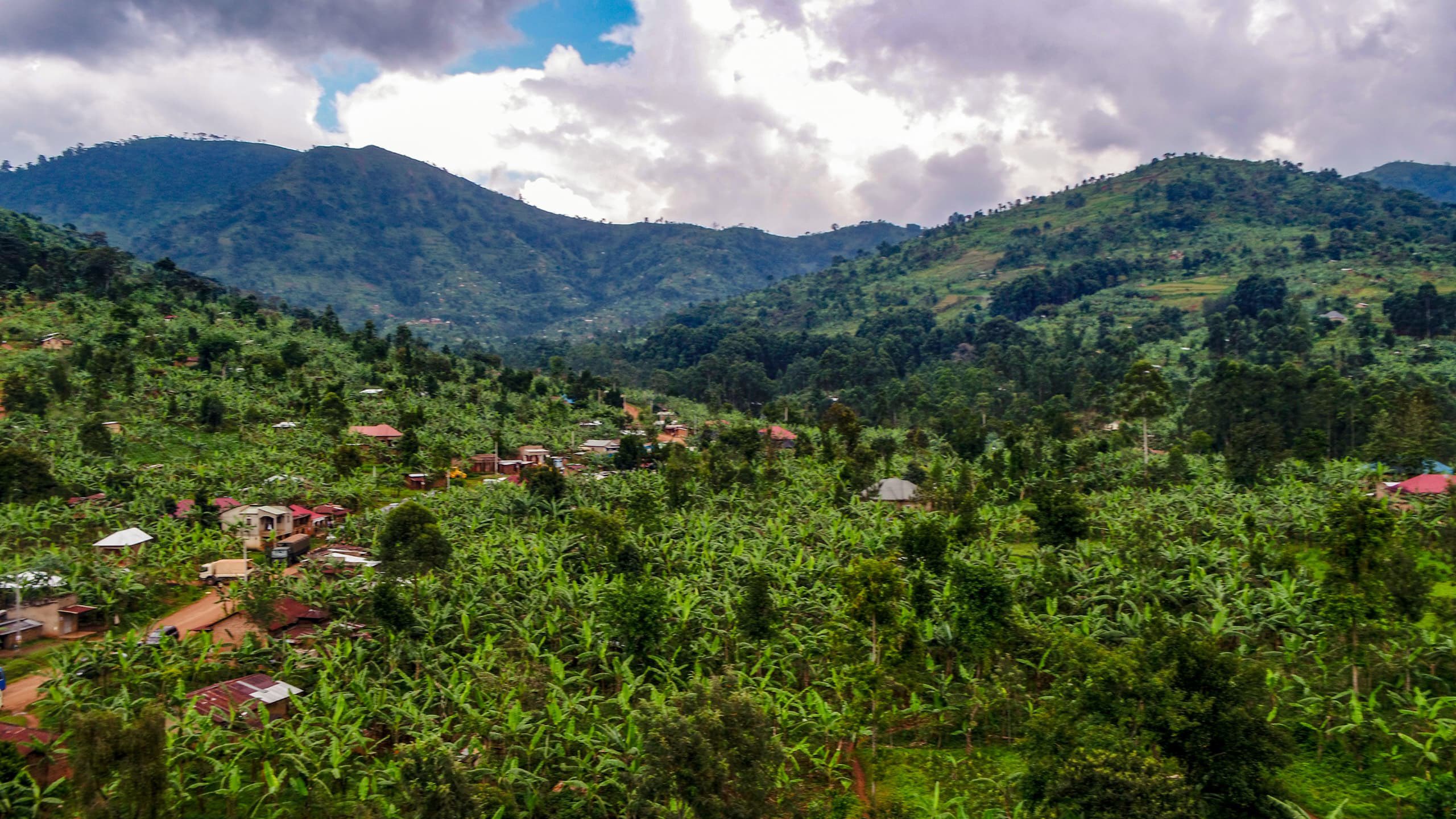
As dusk settled on the slopes of Mount Elgon, Bududa’s residents celebrated not just a presidential visit, but the sense that their long journey from isolation to opportunity is finally on solid ground, both literally and economically.