

Uganda is set to overhaul its waste management system through a new National Waste Management Policy that puts citizens at the center of the transformation.
The policy, now in its final stages, seeks to turn waste into a valuable resource while addressing decades-old challenges, including inadequate infrastructure, weak enforcement, limited funding, and overlapping mandates among government agencies.
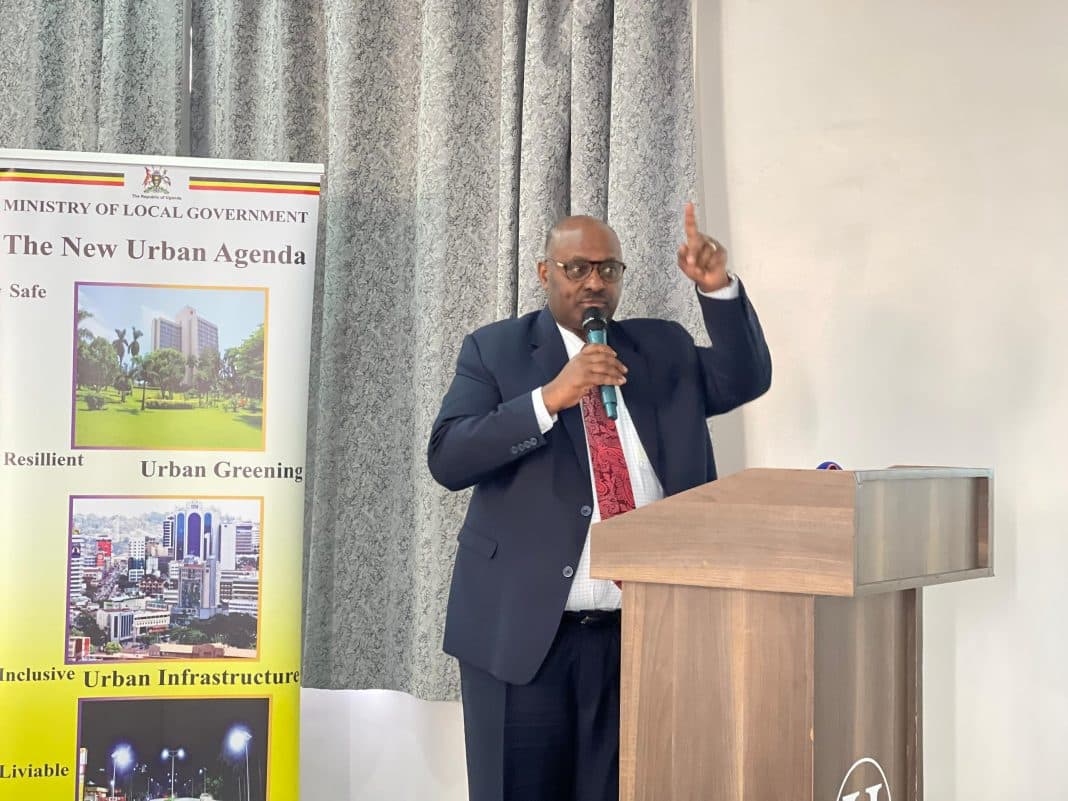
Permanent Secretary for the Ministry of Local Government, Ben Kumumanya, revealed the details yesterday during a high-level inter-ministerial consultative meeting in Entebbe. The session brought together government leaders, private sector players, civil society, and development partners to finalize the draft before it is presented to Cabinet.
“The policy is designed to streamline operations and close critical gaps in the waste management sector,” Kumumanya said, adding that the reforms would pave the way for a sustainable, resource-driven approach to handling the country’s waste.
The move follows a Cabinet directive issued after the Kiteezi landfill disaster, which exposed the urgency of reforming Uganda’s waste disposal systems.
Local Government Minister Raphael Magezi, speaking at a parallel validation meeting, urged Ugandans to take ownership of the change process. “While government and local authorities have their part, lasting solutions depend heavily on public behavior,” Magezi stressed.
He called on households to separate waste at the source, cut down on littering, and embrace recycling as part of daily habits. Magezi emphasized that public involvement is a cornerstone of the policy, warning that without it, the ambitious reforms could fall short.
Once adopted, the policy will redefine roles and responsibilities in the sector, creating an integrated system that not only tackles Uganda’s waste crisis but also unlocks environmental and economic opportunities.