

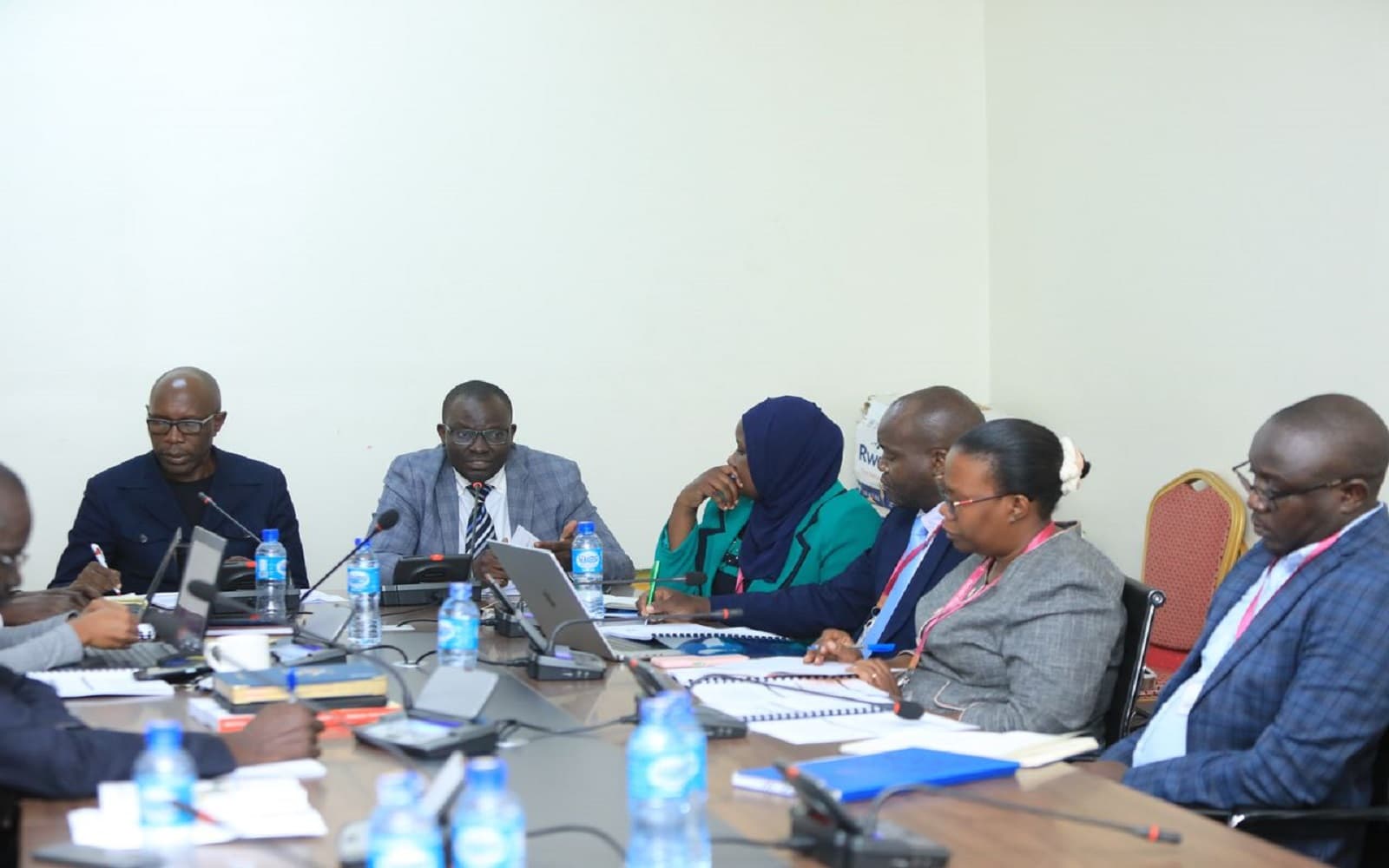
The Committee on Health has raised concerns about the Uganda Virus Research Institute (UVRI), particularly over how its research is shared, funded, and turned into income. During a meeting on March 31, 2025, focused on the ministerial policy statement and budget estimates for the 2025/2026 financial year, lawmakers asked for clear answers on how UVRI’s work translates into real-world policies and revenue.
George Bhoka Didi (NRM, Obongi County) questioned why UVRI has made limited efforts to ensure its research reaches both policymakers and the public. “There is inadequate dissemination and utilisation of your research products, yet this should be your core business. Who is responsible for marketing your research publications?” he asked.
Bhoka also pushed the institute to explore better partnerships with the pharmaceutical industry. “How much of your research has been converted into patented products for pharmaceutical sales? That could be a key source for your Non-Tax Revenue (NTR),” he added.
Samuel Opio (Independent, Kole North County) said UVRI must expand its focus beyond research and look at development and commercialisation.“The institute should capitalise on its research by developing and commercialising it. National Agricultural Research Organisation (NARO) is developing crop varieties and commercialising them through their research — you should pick up their strategy,” Opio said.
He also asked UVRI to explain how the withdrawal of funding by USAID has affected its operations.
Committee Chairperson, Joseph Ruyonga, stressed the need for financial self-reliance and urged the institute to move away from relying heavily on donors.“What strategy do you have to secure funding from other donors for your work? It is high time you started generating your own funding, to cushion against such shocks,” Ruyonga said.
Dr Deogratias Ssemwanga, UVRI’s Assistant Director for Research, admitted that the institute struggles with visibility but said improvements are underway. “We disseminate our research findings through publications and press briefings but they are not as publicised as they should be. We commit to improve on that front,” he said.
He also pointed out UVRI’s key role in developing local vaccines and diagnostic kits, especially for Mpox and SARS. “We have generated data that pharmaceutical companies have used to create medicines, which indicates that our research is innovative and making an impact on society,” he added.
Ssemwanga revealed that UVRI lost project funding worth over Shs3 billion after USAID withdrew from Uganda. However, he noted that the European Union had stepped in with Shs1.04 billion for the current financial year.
Key priorities in UVRI’s budget that remain unfunded or underfunded include compensation of squatters on land meant for research, malaria protection efforts through British biotech firm Oxitec, and institutional development.