

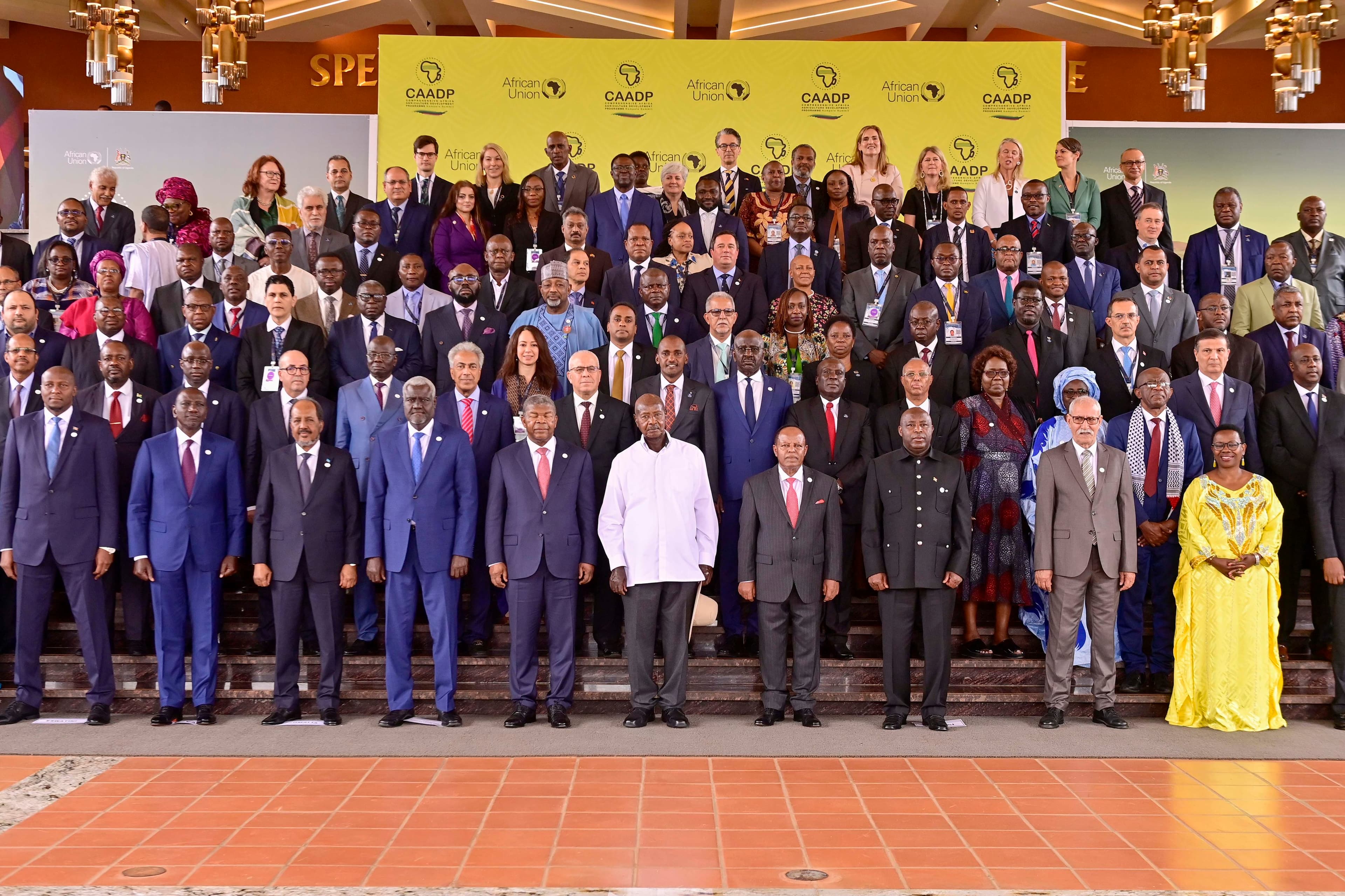
President Yoweri Museveni has called on African nations to harness their agricultural potential as a catalyst for economic transformation and self-reliance. Speaking at the African Union (AU) Extraordinary Summit on the Comprehensive Africa Agriculture Development Programme (CAADP) in Kampala, Museveni emphasized that modernizing agriculture is key to Africa’s socio-economic development.
“With two harvests a year in many parts of the continent and abundant natural resources, Africa has the capacity to become an economic superpower,” Museveni said during the summit held at Munyonyo Commonwealth Resort and Convention Centre.
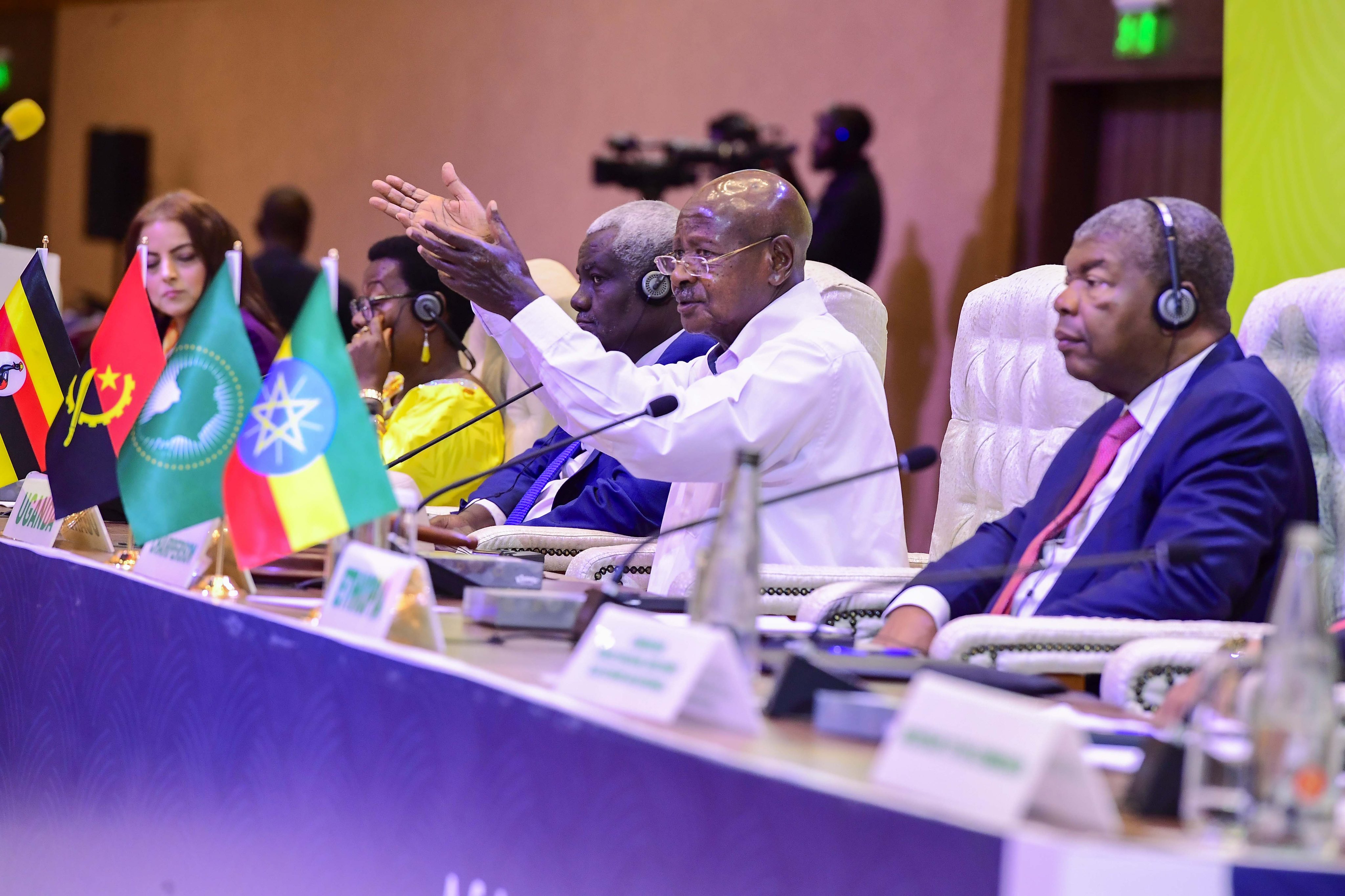
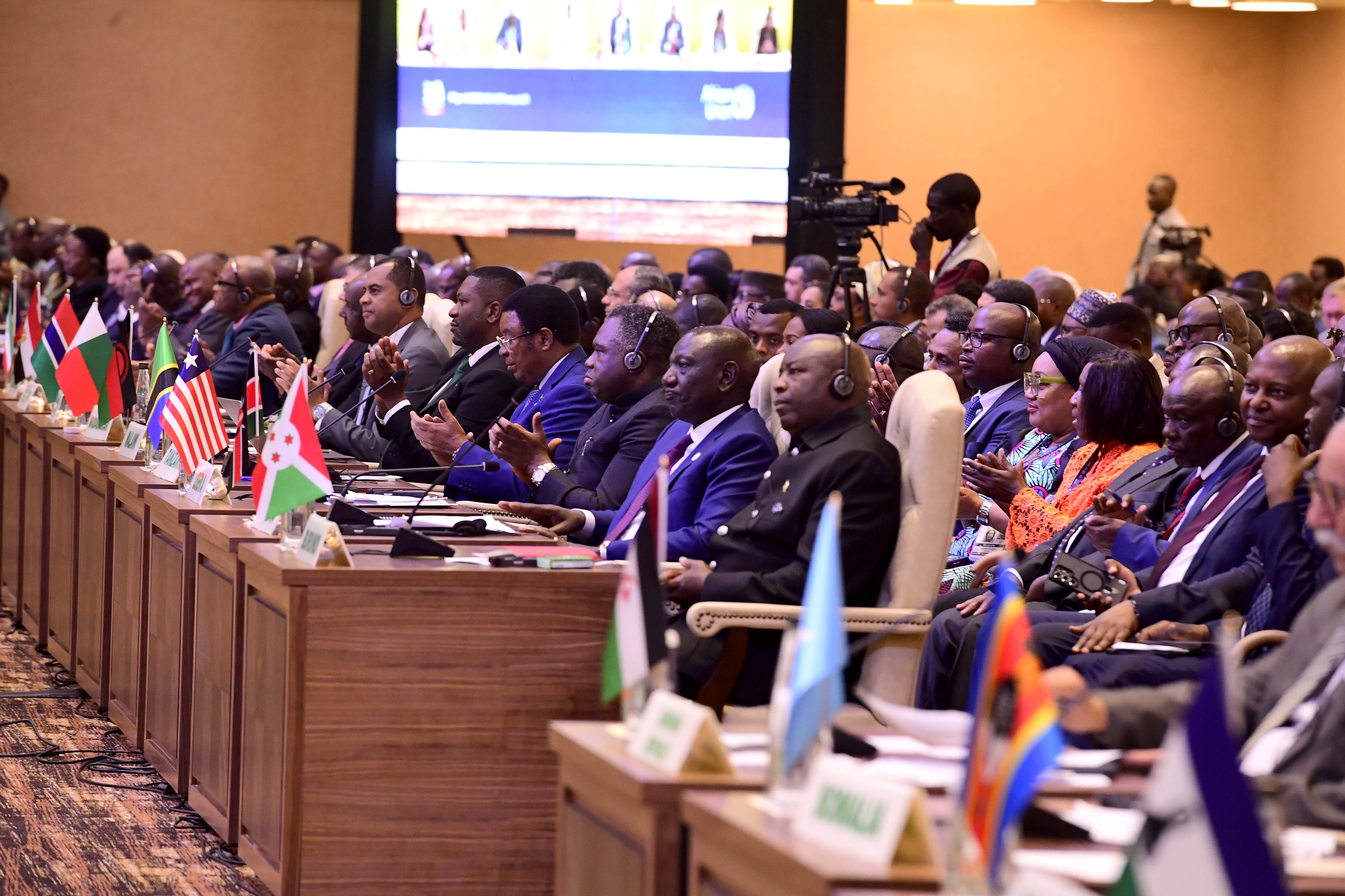
The summit, themed “Building Resilient Agri-Food Systems in Africa”, brought together over 2,000 delegates, including heads of state, development partners, and agriculture experts from 43 AU member states. Leaders discussed strategies for sustainable agriculture and endorsed a 10-year Agri-Food System Strategy and Action Plan.
Museveni underscored the importance of shifting from subsistence to commercial farming. “Smallholder farmers must adopt intensive agriculture with high-value crops, while those with larger lands should focus on extensive farming,” he noted, adding that this approach would ensure productivity and income security.
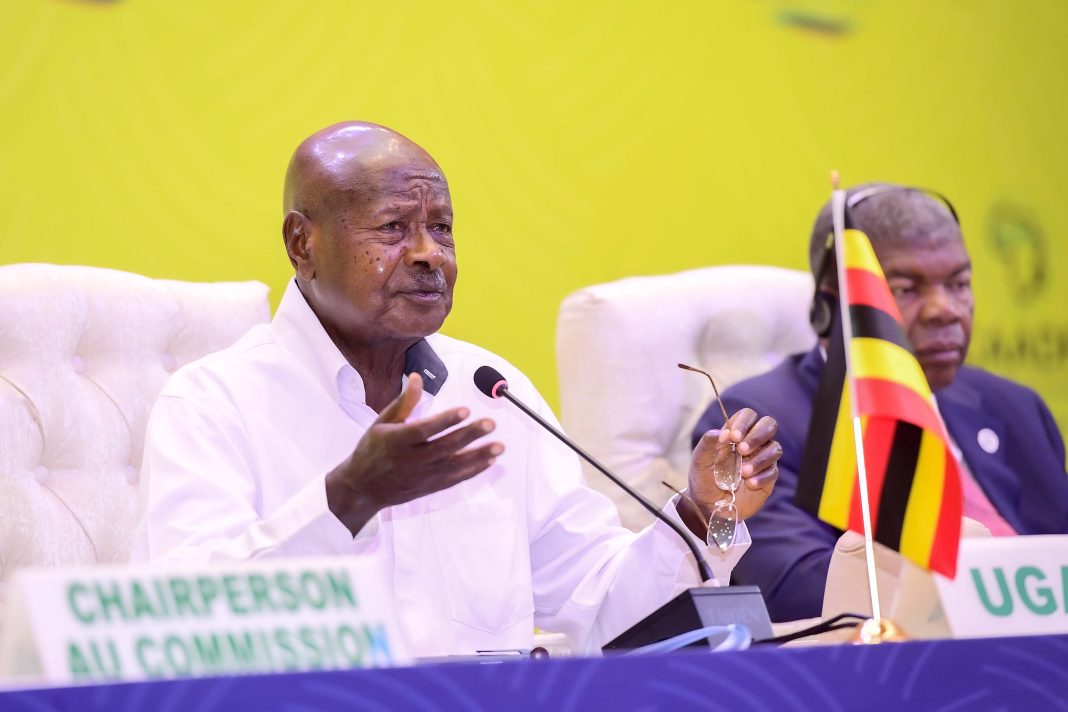
He criticized Africa’s over-reliance on raw material exports as a missed opportunity for wealth creation. “A kilogram of raw coffee earns $2.50, but the same kilogram, roasted and packaged, fetches $40. By failing to add value to our products, we are enriching others while our youth risk their lives seeking opportunities abroad,” Museveni said.
The President highlighted Uganda’s success in integrating agriculture with industries like dairy processing, textiles, and furniture-making. He also called for policy interventions, including improved seeds, irrigation, pest control, and soil mapping, to modernize agriculture.
“Africa has the resources and capacity to lead. What we need is the determination to transform our agriculture and build industries that create wealth and jobs,” he said.
Museveni also addressed water resource management, urging Africans to protect wetlands, forests, and other catchment areas. He proposed leveraging the Congo River’s vast water resources and adopting desalination technologies to address water scarcity.
The President criticized Non-Tariff Barriers (NTBs) that disrupt agricultural trade within the continent. “Uganda produces surplus maize, sugar, milk, and poultry, but neighboring countries’ erratic trade practices undermine our farmers,” he said.
Ethiopian President Taye Atske Selassie commended Uganda’s leadership in hosting the summit and emphasized the importance of achieving food sovereignty. “This summit marks a significant step in transforming Africa’s agri-food systems for the benefit of our people,” Selassie said.
AU Commission Chairperson Moussa Faki Mahamat praised Uganda’s commitment to agricultural development. “Hosting this summit reflects Uganda’s unwavering support for farmers. President Museveni, a farmer himself, champions agricultural transformation across Africa,” Faki said.
The summit adopted the Kampala Declaration 2025, aimed at transforming Africa’s agriculture through sustainable food production, agro-industrialization, and investment in resilient agri-food systems.
CAADP, established in 2003, remains Africa’s primary framework for agricultural growth. It aims to enhance food security, reduce poverty, and promote economic development by prioritizing agriculture.
The event, jointly organized by the AU Commission and its development agencies, was attended by leaders including Burundi’s President Évariste Ndayishimiye, Kenya’s President William Ruto, Angola’s President João Lourenço, and Somalia’s President Hassan Sheikh Mohamud.