
By Fred Kiva
Government through the National Curriculum Development Centre has promised to address Bunyoro’s concerns regarding the revised lower secondary curriculum.
Bunyoro Kingdom recently petitioned the National Curriculum Development Centre over omission of its history in the revised curriculum. The petition was as a result of consultations in which the cultural institution established that “our history was not featuring in the topic under state formations where Bunyoro was previously one of the case studies alongside Buganda, Ankole and Acholi."
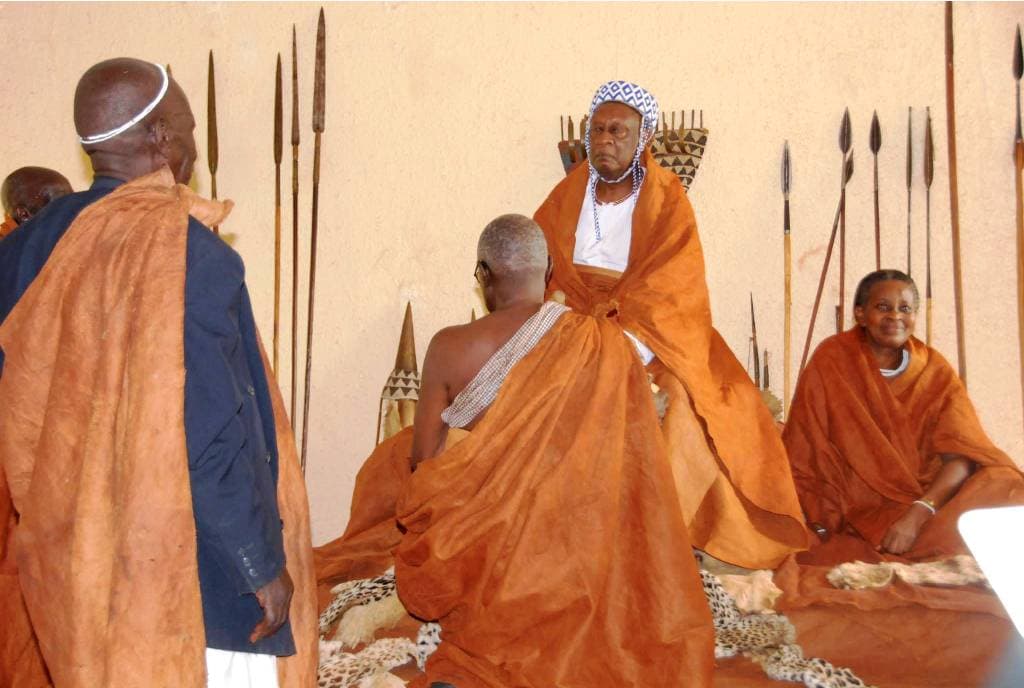
The Kingdom also argued in the petition that Bunyoro's treasured social events such as coronation anniversary celebrations (Empango) and Empaako naming ceremony, which was inscribed by UNESCO as an intangible heritage that required protection, were not included in the new curriculum.
In a statement issued on Tuesday, Bunyoro Kingdom Spokesperson Francis Mugerwa said government had responded to their petition and promised to address the Kingdom’s concerns regarding the revised curriculum.
“The BKK (Bunyoro Kitara Kingdom) Prime Minister has received feedback from the Director of the National Curriculum Development Centre Ms Grace K Baguma who claimed that they proposed the topic of Bunyoro Kitara Kingdom to be learnt through the discovery method where learners would carry out research on the topic with the teacher's guidance,” Mugerwa said.
He added that Ms Baguma had explained that kingdoms with a lot of literature such as the Wanga Kingdom of Kenya and Bunyoro were left out for students to research and discover.
“She however informed us that following our concern, the syllabus content will be adjusted in the reprint to include the history of Bunyoro Kitara Kingdom on the list of other societies in East Africa on page 19 of the history and political education syllabus book,” the Bunyoro Kingdom Spokesperson quoted Ms Baguma as saying in response to the concerns raised.
The Kingdom appreciated the National Curriculum Development Centre for the response and pledged continued engagement “to ensure that our concerns are positively addressed.”
The revised curriculum whose implementation started this academic term, according to Education Minister Janet Museveni, among others promotes effective learning and acquisition of skills; reduces subject and content overload and addresses the social and economic needs of the country by meeting the educational needs of the learners aspiring for higher academic learning as well as those that wish to transit to the labour market.
“These skills allow young people to develop into life- long learners, who can adapt to change and cope with the challenges of life in a challenging world. Young people need to be able to think critically and solve problems, both at school and at work. They need to be creative and innovative in their approach to learning and life,” Mrs Museveni told Parliament on Thursday.
The new curriculum includes new subjects such Chinese language, Music includes Dance and Drama to become Performing Arts, while Fine Art has been redesigned to include elements of design to become Art and Design. History has been integrated with Political Education among others.