

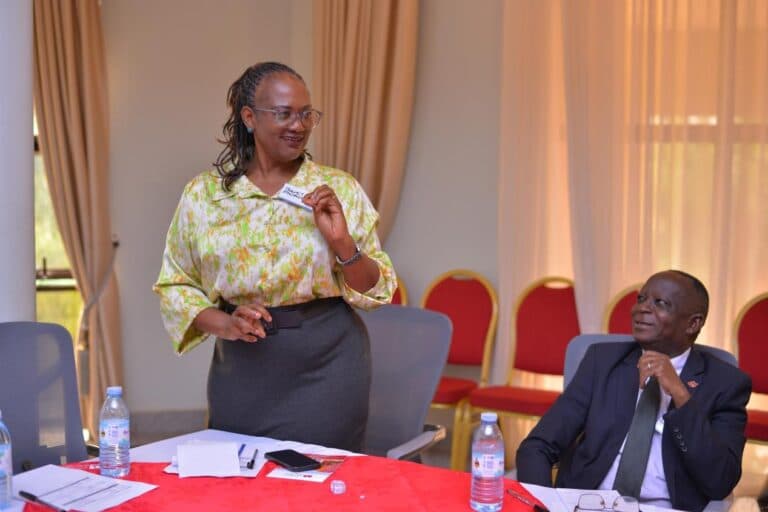
A pioneering health initiative in Uganda is integrating traditional healers into the national HIV/AIDS response to improve testing, treatment adherence, and healthcare access in rural communities.
Known as the Omuyambi Project, the initiative is led by Associate Professor Juliet Mwanga-Amumpaire in partnership with the Ministry of Health, Mbarara University of Science and Technology (MUST), and Weill Cornell Medicine’s Center for Global Health. It aims to bridge the gap between biomedical health services and traditional care by training healers to conduct initial HIV tests and refer patients for further treatment.
The project targets rural communities in Mbarara and Rwampara districts, where many people living with HIV face challenges such as stigma, long travel distances, and dissatisfaction with health workers’ attitudes. These barriers have led many to seek support from trusted traditional healers.
Dr. Mwanga-Amumpaire said traditional healers use OraQuick kits to conduct preliminary HIV tests. Positive cases are referred to clinics such as the Immune Suppression Syndrome (ISS) Clinic for confirmatory testing and treatment.
“To ensure better patient care, we have designated contact persons at the clinics to support referrals from traditional healers,” she said.
In May 2025, the project held a key stakeholder engagement with the Ministry of Health’s Department of Community Health to share progress and discuss policy integration. The meeting attracted senior health officials, traditional healers, researchers, and grants representatives from MUST.
Dr. Peter Ssebutinde, Mbarara District Health Officer, praised the project for its inclusive approach to healthcare. “Such projects provide evidence that the models are effective; we need not to ignore them,” he said. He also emphasized the need to educate communities that traditional and modern medicine should complement rather than replace each other.
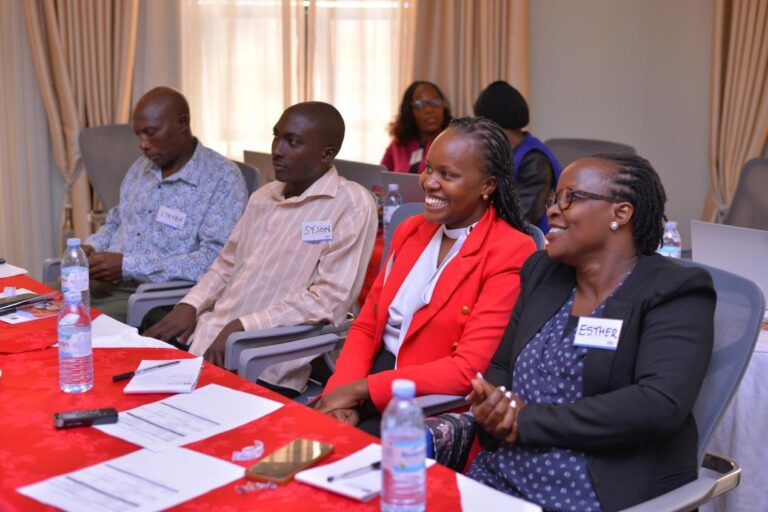
Co-Principal Investigator Dr. Radhika Sundararajan of Weill Cornell Medicine highlighted a study within the project that trained 12 traditional healers in antiretroviral therapy (ART) counseling, adherence, and patient disclosure support. The study involved 20 participants who had defaulted on treatment.
“Traditional healers are often the first point of contact in many communities. Their role is critical in improving HIV outcomes,” Dr. Sundararajan said.
Traditional healers shared testimonies during a panel moderated by Dr. Winnie Muyindike. One of them, Stephen Tumuhumuze, described how he uses public gatherings to encourage testing.
“Confidentiality has built trust in my work. People are returning for help and resuming treatment,” he said. Tumuhumuze called for further training and equipment to screen for other conditions like diabetes and hypertension.
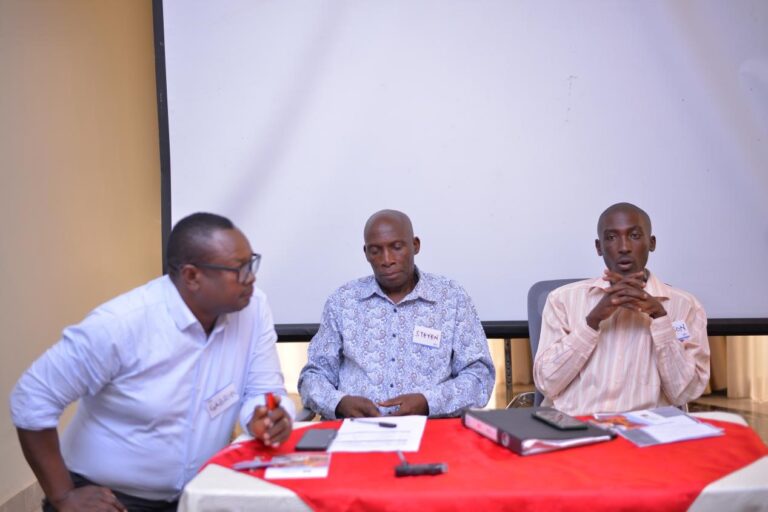
Another healer, Syson Nahwera from Rwentonjo, integrates spiritual healing with HIV education. After his Omuyambi training, he offered HIV testing to clients and linked a positive case to care on the first day.
“Our communities trust us. With proper tools and knowledge, we can make a big impact,” he said.
Commissioner of Community Health Dr. George Upenytho commended the healers’ commitment.
“They command deep trust and offer affordable care. If we are to achieve the 95% target in HIV care, we must work with them,” he said. He also expressed the Ministry’s interest in exploring formal licensing for traditional healers.
The Omuyambi Project demonstrates the power of blending traditional and modern healthcare systems. It offers a model for more inclusive, culturally responsive, and effective HIV interventions, especially in hard-to-reach communities.