
The Government has reaffirmed its long-term commitment to overhauling teacher education and elevating professional standards across Uganda, declaring that the overall quality and competitiveness of the national education system directly mirrors the competence of its teachers.
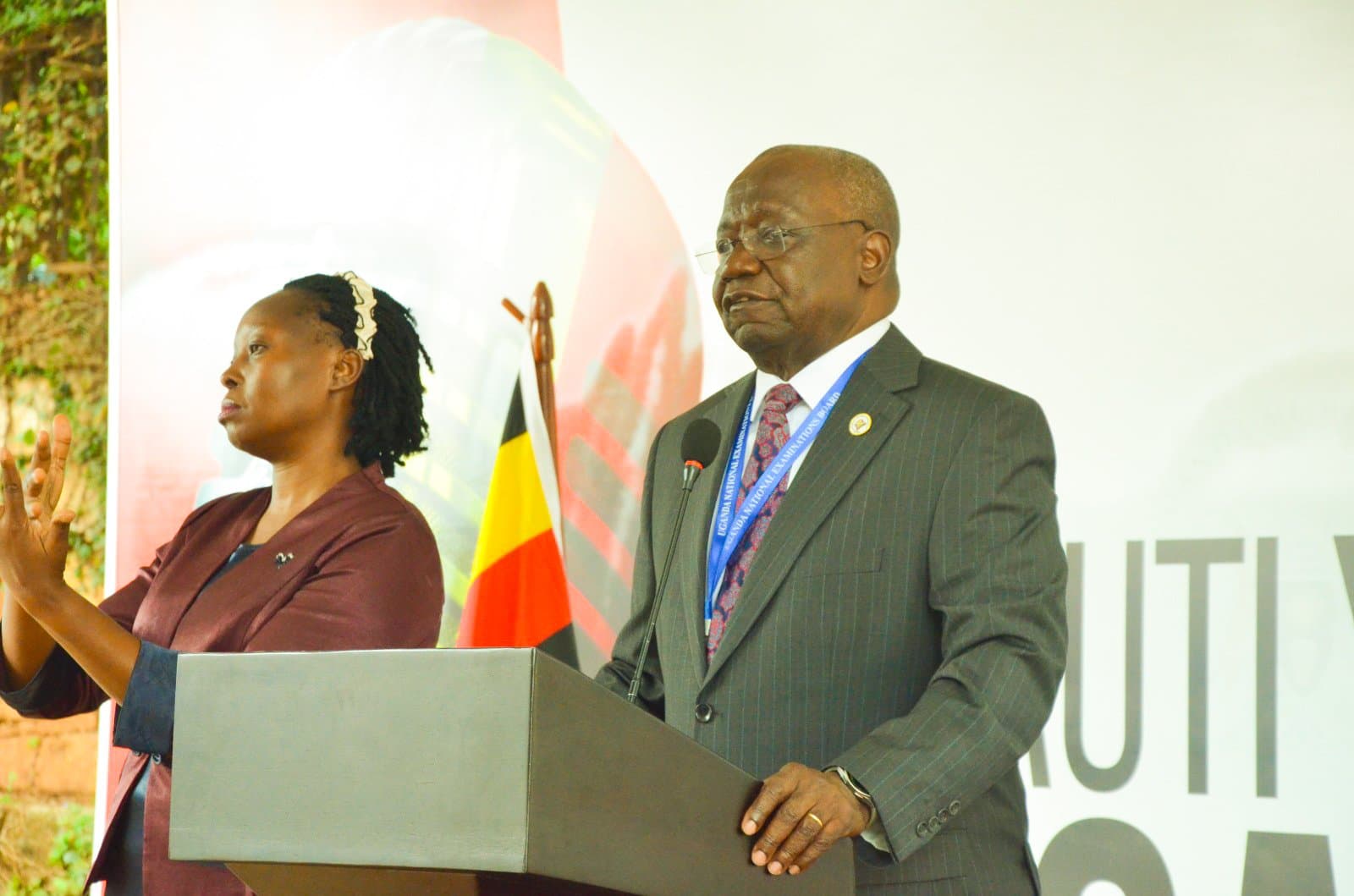
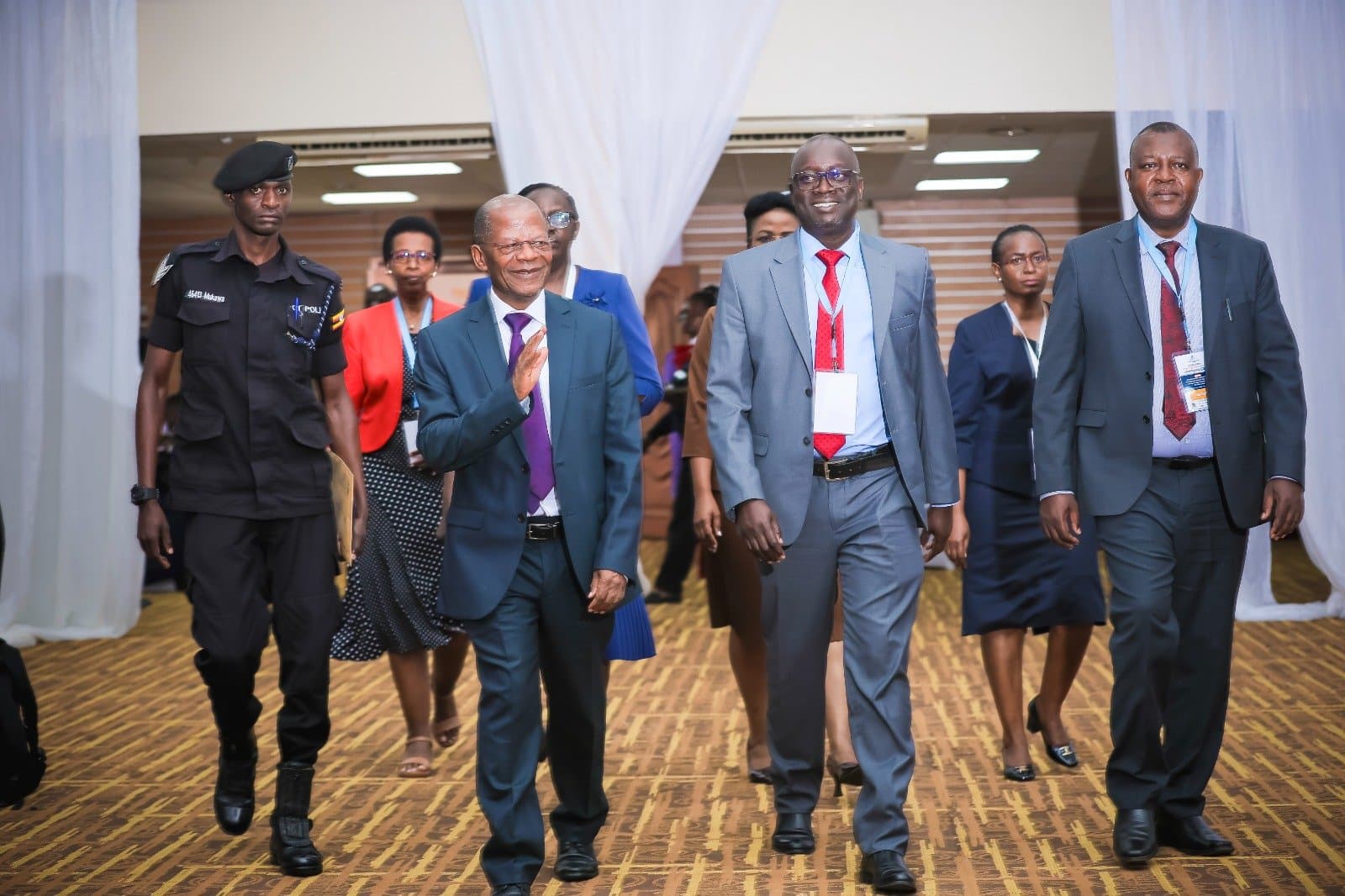
The position was articulated by the Acting Minister of Education and Sports and State Minister for Higher Education, Hon. Dr. John Chrysostom Muyingo, while officiating as Chief Guest at the opening of the inaugural International Teacher Education Conference (ITEC) 2026 at Hotel Africana in Kampala.
Convened under the theme "Teachers at the Heart of Reforms: Transforming Teacher Education for Human Capital Development in the 21st Century," the two-day hybrid summit gathers researchers, teacher educators, policymakers, and international development practitioners to share evidence-based approaches to modern teacher training.
Hon. Muyingo outlined that the Ministry is implementing an interconnected suite of structural reforms designed to support educators across their entire professional lifespan, from initial pre-service training to continuous professional development.
Key pillars of the reform agenda highlighted by the minister include:
- Establishment of UNITE: Operationalising the Uganda National Institute for Teacher Education (UNITE) as the specialized degree-awarding institution mandated with initial and continuous teacher education nationwide.
- National Teacher Council: Finalising the statutory framework for the National Teacher Council to professionalize the vocation, enforce ethical codes of conduct, and oversee teacher licensing and registration.
- Rationalisation of Training Institutions: Restructuring and modernising former National Teachers’ Colleges (NTCs) and Primary Teachers’ Colleges (PTCs) into streamlined, high-capacity teacher education campuses.
- Competence-Based Curriculum (CBC): Aligning teacher training curricula with the secondary CBC, digital pedagogy, and emerging technological tools such as Artificial Intelligence (AI) to prepare educators for classrooms filled with digital natives.
Hon. Muyingo emphasized that educational policies must not remain on paper, stressing that reforms require sustained financing, strict institutional oversight, and measurable improvements in learning outcomes.
He called for systematic collaboration between state agencies, academia, and classroom practitioners, noting that empirical research must inform budgetary allocations and classroom interventions.
The minister commended UNITE leadership, headed by Vice Chancellor Prof. Betty Akullu Ezati, alongside development partners for organizing the conference, tasking delegates to formulate actionable solutions that will keep teachers at the center of Uganda's socio-economic transformation.