
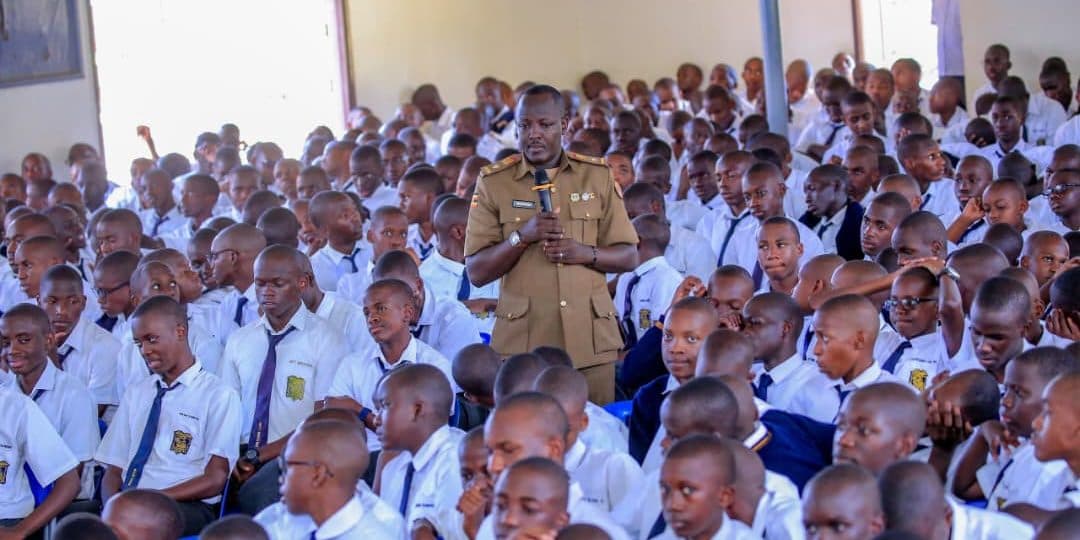
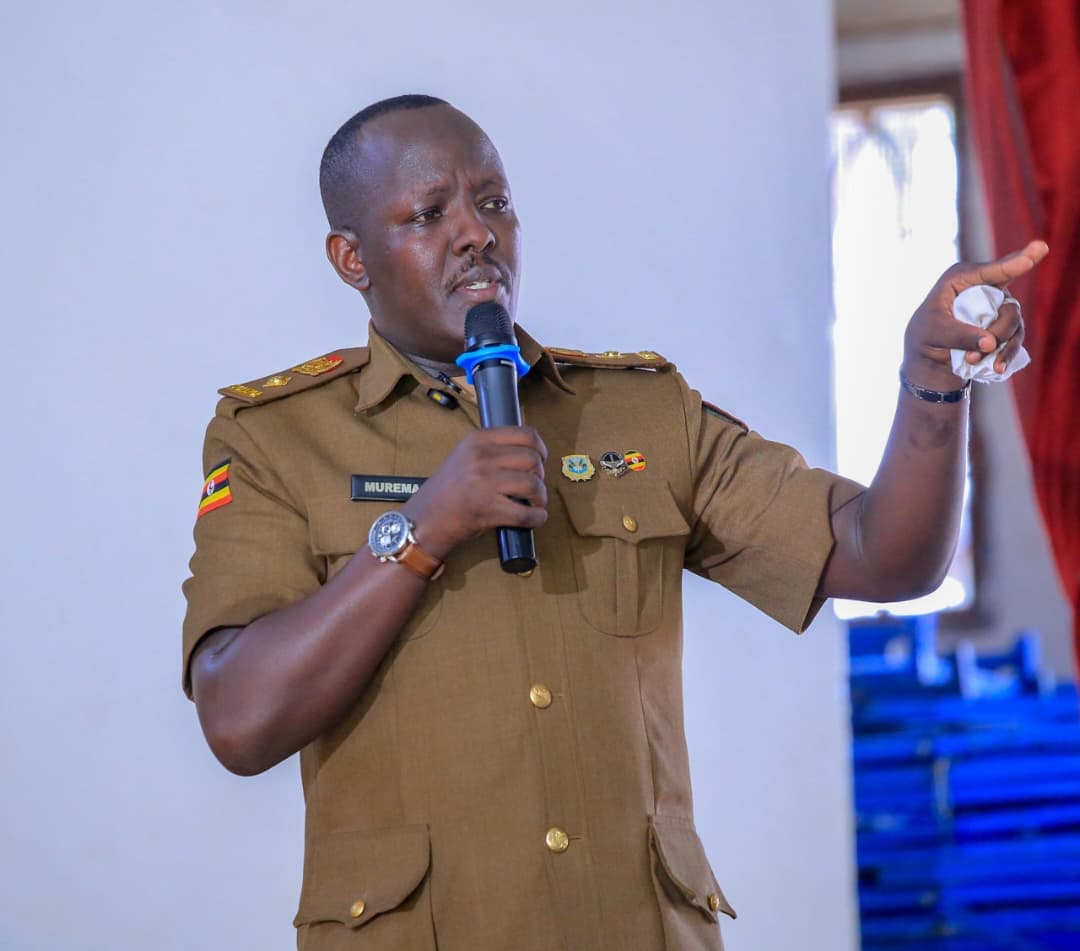
The Commander of the 16 Service Brigade in the Special Forces Command (SFC), Lt. Col. Frank Murema, has challenged students of St Mary’s College Kisubi (SMACK) to become productive, patriotic, and disciplined citizens capable of driving Uganda’s socio-economic transformation.
Lt. Col. Murema delivered the message while presenting a lecture on the instruments of national power to the student body at the college campus in Wakiso District.
He outlined five fundamental pillars that define and sustain a nation’s strength:
- Diplomacy: Cultivating strategic bilateral and multilateral alliances to advance national interests.
- Information and Intelligence: Driving evidence-based, timely decision-making and safeguarding public consciousness.
- The Military: Maintaining a disciplined, professional force to guarantee sovereignty, national stability, and territorial integrity.
- The Economy: Expanding productive output, industrial processing, and financial independence.
- The Population: Building a healthy, educated, and skilled human resource base to power industry.
Drawing comparative insights between Uganda’s economic trajectory and China’s rapid modernization, Lt. Col. Murema noted that strategic human capital development remains the bedrock of sustainable national power.
He commended the implementation of the Competence-Based Curriculum (CBC) in secondary schools, noting that its focus on practical skills, critical thinking, and innovation is vital for churning out self-reliant graduates.
“The future is in production. You must acquire knowledge and skills that enable you to create, produce and contribute to national development,” Lt. Col. Murema said.
He urged the students to pair academic distinction with conscious discipline, personal integrity, and a rigorous work ethic, cautioning that state development interventions can only succeed when citizens actively pull their weight.
Defining patriotism as an unwavering duty to defend, love, and build the country across all circumstances, Lt. Col. Murema called on the learners to champion Pan-African solidarity.
He cited Uganda’s open refugee policy and regional peace-support missions as reflections of its commitment to African fraternity and integration.
Lt. Col. Murema advised the students to look beyond domestic borders and prepare to tap into opportunities across the wider East African Community (EAC) and African Continental Free Trade Area (AfCFTA).
He concluded by warning the youth against sectarianism and hate-driven ideologies, urging them to apply their knowledge ethically and constructively.
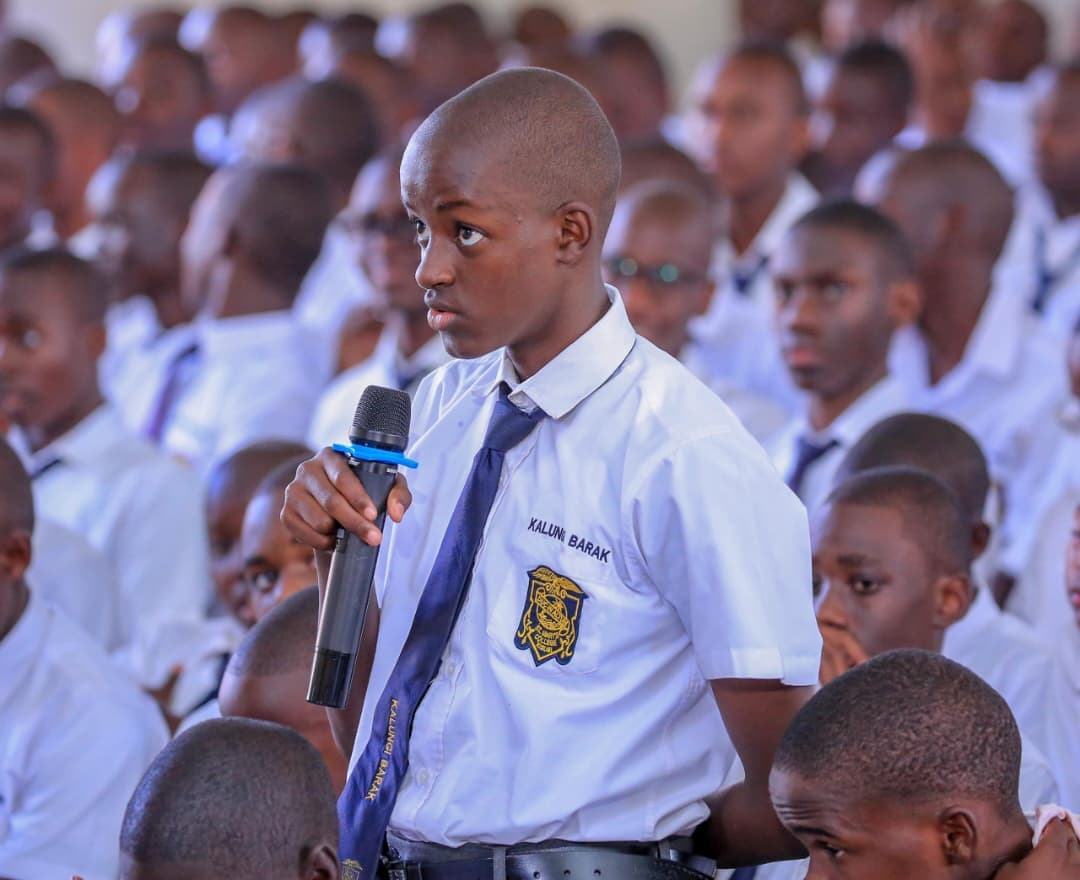
The lecture concluded with a question-and-answer session, where students engaged the brigade commander on national security, regional integration, and civic responsibility.