
Economic growth in Sub-Saharan Africa is expected to slow, with fresh concerns over rising risks, the World Bank has warned.
In its latest Africa Economic Update, the institution said growth for the region will stand at 4.1 percent in 2026. This matches the 2025 figure but is lower than earlier projections made in October 2025.
The World Bank said the downgrade reflects growing global and regional pressures. These include tensions in the Middle East, rising food and fuel prices, and tighter financial conditions.
The report warned that these shocks will push up inflation and disrupt economic activity. Poor households are likely to suffer more as they spend a larger share of income on basic needs.
Andrew Dabalen, the World Bank’s Chief Economist for Africa, said governments must act carefully. He urged leaders to protect vulnerable citizens while maintaining stable economic policies.
He said controlling inflation and managing public finances will help countries cope with the current shocks and prepare for recovery.
The report also raised concern over rising debt levels. It said high borrowing and increasing debt servicing costs are limiting government spending.
Public investment remains low across the region. It is about 20 percent below 2014 levels. At the same time, external debt servicing has increased sharply. It rose from 9 percent of revenue in 2017 to 18 percent in 2025.
The World Bank added that reduced foreign funding is worsening the situation. Inflation is expected to rise to 4.8 percent in 2026 due to ongoing global and domestic pressures.
The report said Africa must focus on long-term reforms. It noted that over 620 million people will join the labour force by 2050. This will require strong job creation.
It called for more private sector growth, better infrastructure, and improved skills. It also urged countries to reduce business costs and attract investment through regional trade frameworks.
The World Bank pointed to industrial policy as one way to support growth. It said targeted policies can help develop sectors such as minerals and pharmaceuticals.
However, it warned that poor planning could waste resources. It said strong governance and clear targets are needed to ensure success.
 business
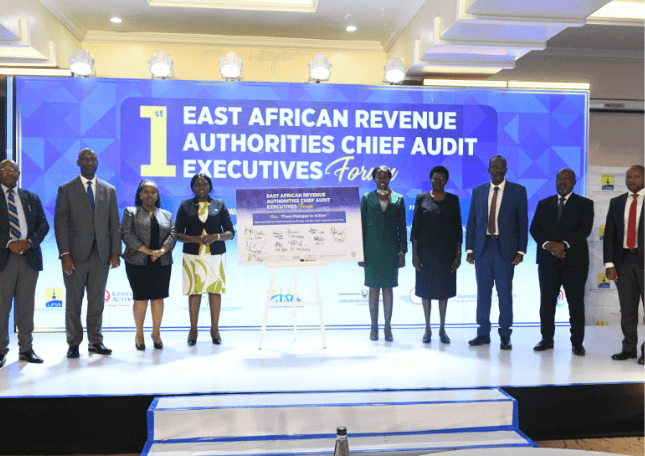
Regional Tax Auditors Meet in Kampala over Rising Revenue Risks
URA hosted East African audit chiefs in Kampala to strengthen cooperation and address rising digital-era risks to public revenue