Uganda has backed a continental drive to process more coffee within Africa, as producing countries seek a bigger share of an industry whose largest returns accrue beyond their borders.
The initiative seeks to replace dependence on raw bean exports with more roasting, processing and packaging within producing countries. Supporters say this would create jobs and increase the income Africa retains from its coffee.
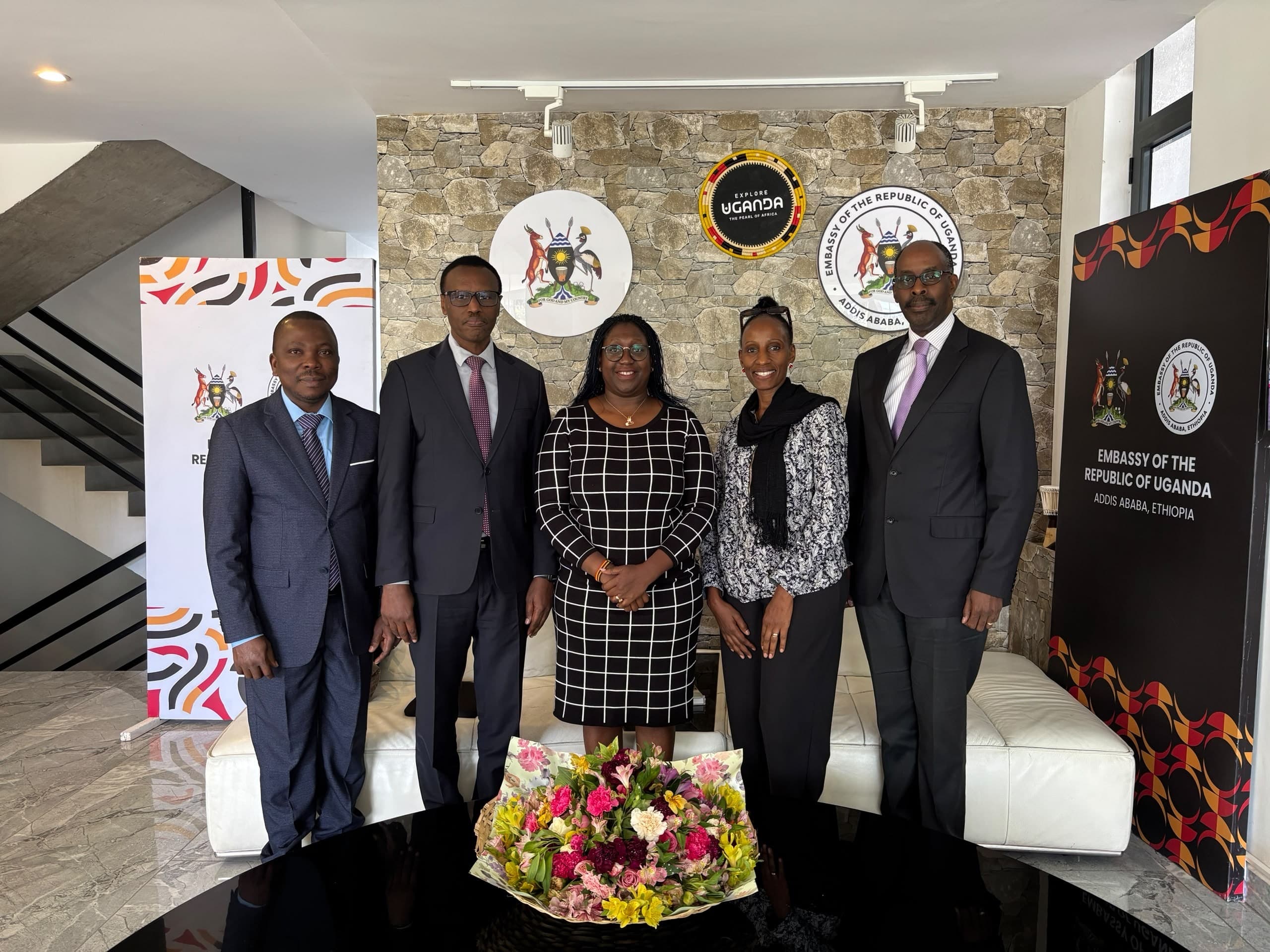
The proposals dominated a meeting between Uganda’s acting head of mission in Addis Ababa, Mrs Margaret Kafeero, and the Inter-African Coffee Organisation (IACO) secretary-general, Ambassador Solomon Rutega.
Rutega said African producing countries receive less than $3 billion from a global coffee industry that generates more than $465 billion annually. The figures, which he cited during the meeting, underline the gap the organisation hopes to address.
He argued that processing coffee before export would help African economies capture more revenue.
“We must shift decisively from exporting raw green coffee beans to locally processed, roasted, and packaged products,” Rutega said.
He put the value of raw beans at about $2 per kilogramme, compared with up to $40 for finished products. These were indicative figures presented during the briefing, rather than a guaranteed return for farmers or processors.
Rutega said the continental strategy seeks to protect livelihoods across more than 10 million coffee-growing households.
The organisation has opened an office at the African Union headquarters in Addis Ababa to coordinate its work with the continental body.
According to Rutega, the initiative builds on the African Union’s adoption of coffee as a strategic commodity at its 37th summit. It also advances the Kampala Declaration developed by the G25 African coffee-producing countries.
Kafeero welcomed the new office and said Uganda supported efforts to expand processing and trade within Africa.
She identified the African Continental Free Trade Area as a route to a larger market for African coffee products. Selling more finished coffee across the continent could help producers reduce their reliance on established overseas trading networks.
For Uganda, the initiative presents an opportunity to earn more from its Robusta coffee through domestic processing. However, the benefits for growers will depend on whether higher earnings reach farming households.
Kafeero also highlighted the role Uganda and Ethiopia could play in advancing the programme, given their importance to African coffee production.
The two officials pledged to work together to improve returns for farmers and support the African Union’s Agenda 2063 development goals.