
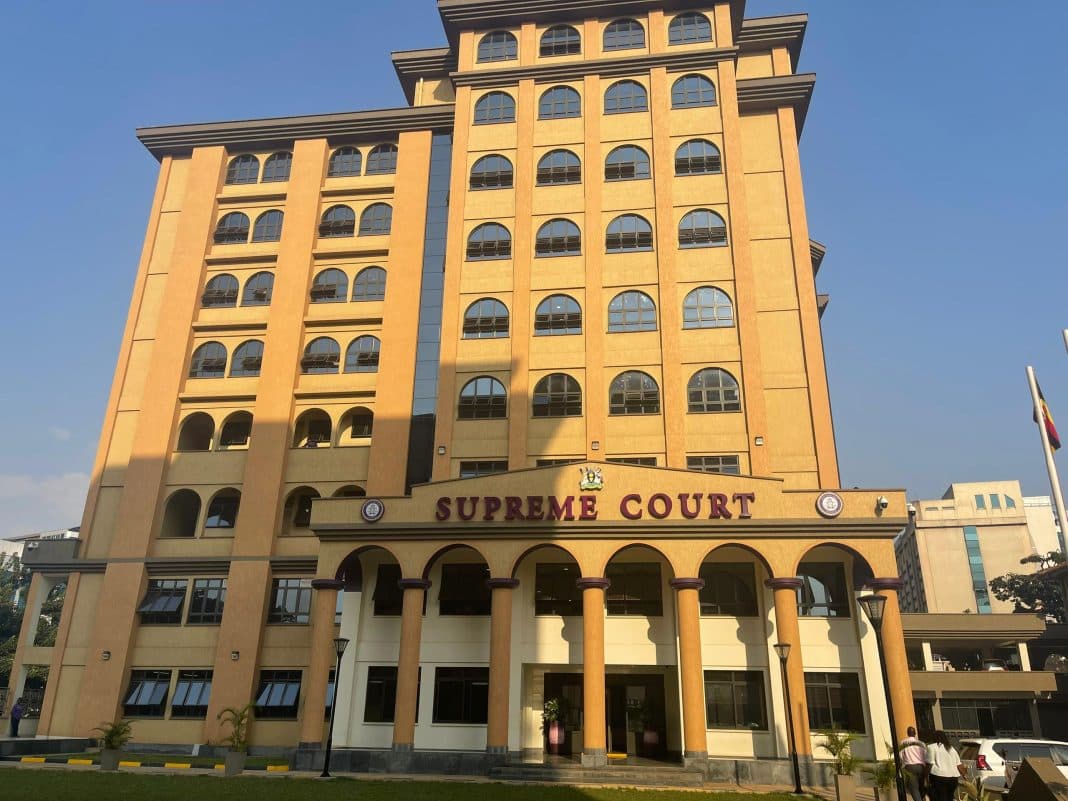
The Supreme Court of Uganda will hold a special two-day Constitutional session from March 31 to April 1, 2026, to hear 10 key cases with significant legal and governance implications.
The session will be presided over by panels comprising the Chief Justice and several justices, including Flavian Zeija, Lillian Tibatemwa Ekirikubinza, Percy Night Tuhaise, Mike Chibita, Elizabeth Musoke, Stephen Musota, Christopher Madrama Izama, Catherine Bamugemereire, Monica Mugenyi, and Muzamiru Mutangula Kibeedi.
According to the causelist signed by Registrar Ayebare Tumwebaze, one of the key matters is Attorney General vs Administrator General (Bob Kasango). The case also includes an application by the Centre for Public Interest Law Ltd to be admitted as amicus curiae.
The case challenges the constitutionality of judicial officers holding non-judicial roles, such as Director of Public Prosecutions, without first resigning from the Judiciary.
The Court will also hear Attorney General vs Dr. Kabumba Busingye & Others, which questions the legality of appointing High Court judges in an acting capacity by the Judicial Service Commission (JSC).
In another significant case, Attorney General vs Sundya Muhamudu and Others, the Attorney General is seeking to overturn a Constitutional Court ruling that interpreted life imprisonment as 20 years rather than the convict’s natural life.
Other matters scheduled for hearing include cases involving the Initiative for Social and Economic Rights, Centre for Constitutional Governance Ltd, and the Copyright Institute of Uganda, among others.
Legal observers say the outcomes of these cases could have far-reaching implications for judicial independence, sentencing laws, and constitutional interpretation in Uganda.
 news
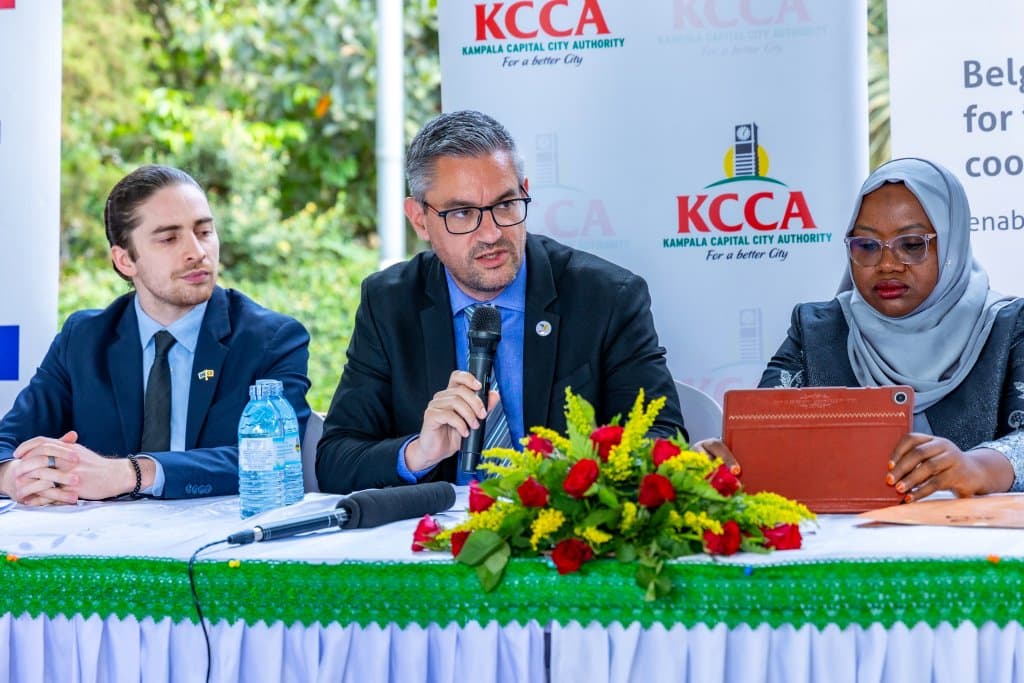
newsEnabel, KCCA Sign €280K Deal to Tackle Youth Unemployment in Kampala
Enabel and KCCA have signed a €280,000 agreement to equip 1,000 youth in Kampala with job-ready skills, with at least 200 expected to secure employment.