
The National Social Security Fund (NSSF) has introduced a two-month amnesty aimed at helping employers clear unpaid contributions as the Fund seeks to improve compliance and grow its assets.
The campaign started on March 10, 2026 and will run until May 11, 2026. During this period, employers with outstanding contributions will receive a 100 percent waiver on penalties if they conduct a self-assessment and pay the principal arrears together with the accumulated interest.
The initiative forms part of efforts to enforce the National Social Security Fund Act. The law requires employers to remit a total contribution of 15 percent of an employee’s salary. Employers pay 10 percent while employees contribute five percent.
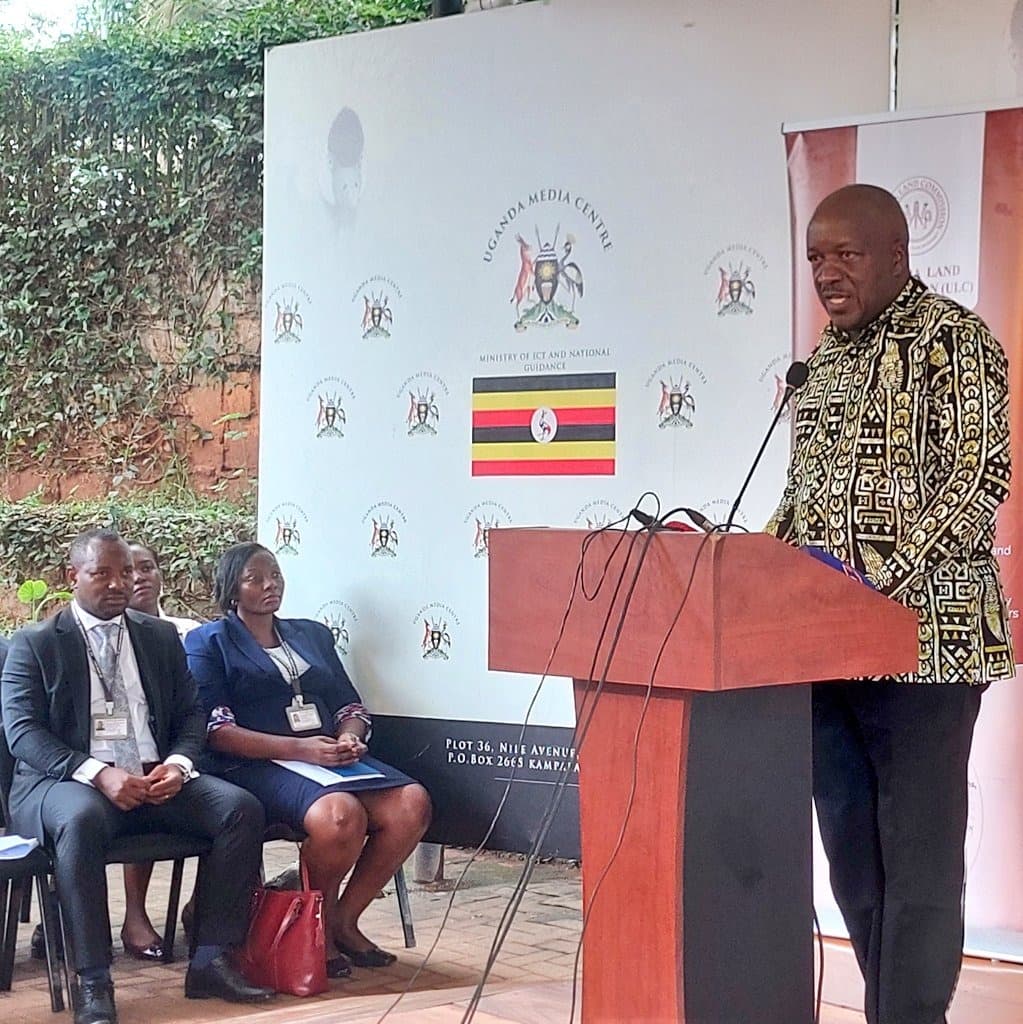
Gerald Paul Kasaato, the Fund’s deputy managing director, said the amnesty targets three groups of employers. These include those with unpaid contributions, those previously audited and issued with settlement agreements, and employers who have not yet registered with the Fund.
Kasaato made the remarks on Wednesday while launching the campaign at NSSF headquarters at Workers House in Kampala.
He said the Fund currently manages assets worth about Shs30 trillion. The scheme has about 3.4 million members and more than 111,000 registered employers.
Under its Vision 2035 strategy, NSSF plans to increase its assets to Shs50 trillion. The Fund also aims to expand coverage to half of Uganda’s working population and raise customer satisfaction to 95 percent.
However, compliance remains a challenge. NSSF says only about 47 percent of registered employers currently remit contributions. This is lower than the 52 percent recorded in the previous financial year.
Through the amnesty campaign, the Fund hopes to register at least 2,800 new employers and recover about Shs160 billion in unpaid contributions.
Barbra Arimi Teddy urged employers to take advantage of the opportunity. She said penalties will be waived once employers complete self-assessments and clear their outstanding contributions and interest.
NSSF warned that employers who ignore the amnesty risk legal action, which could increase the costs they must pay.
The Fund conducts more than 2,000 employer audits every year.
Officials say compliance is also affected by the large informal sector in Uganda’s economy. Many workers, even in formal businesses, lack appointment letters or payslips.
Geoffrey Waisawa Sajjabi, the Fund’s chief commercial officer, said such employment practices make it difficult to identify all workers during audits.
NSSF has created an online portal on its official website to support the amnesty process. The Fund says improving employer participation is critical to strengthening Uganda’s retirement savings system.