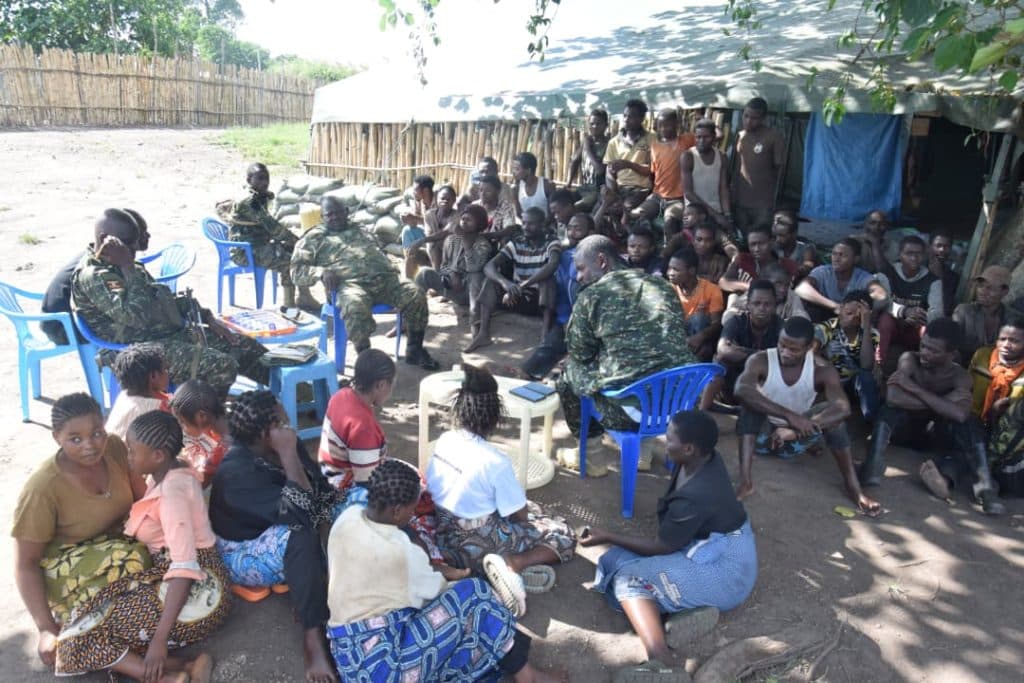

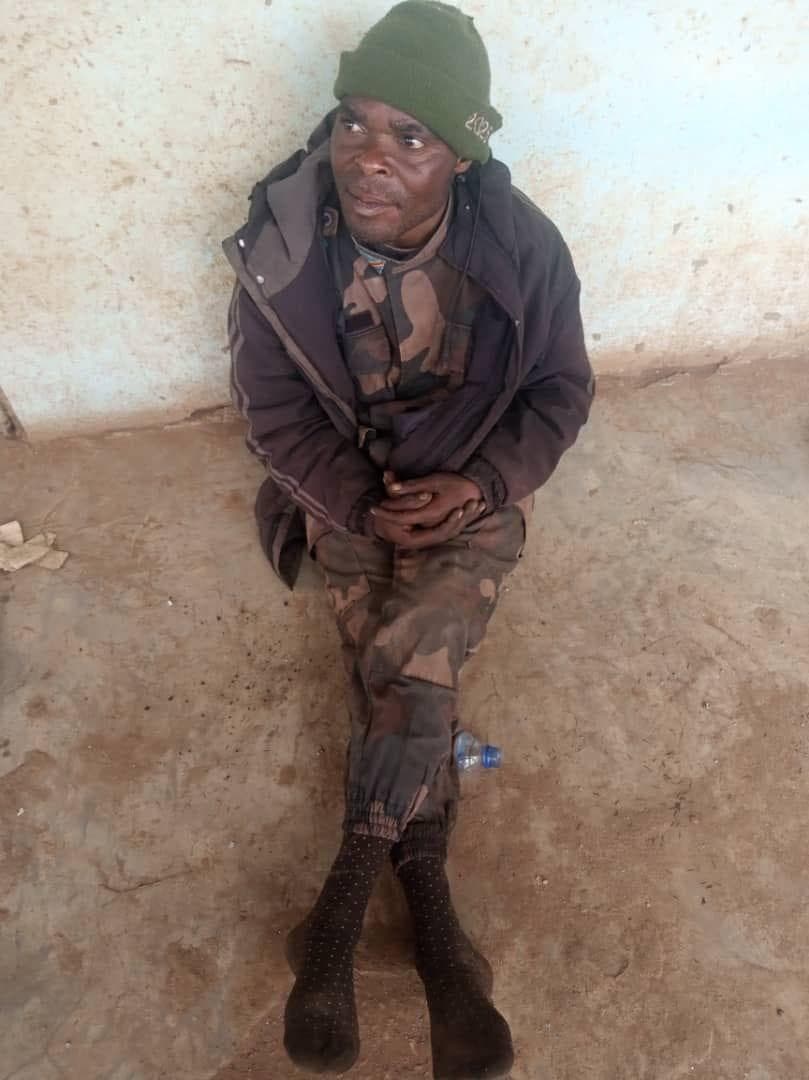
Fourteen soldiers of the Armed Forces of the Democratic Republic of the Congo (FARDC) were captured recently in clashes with the Convention for the Popular Revolution (CPR), a militia commanded by Thomas Lubanga, in the town of Bule. The incident marks a serious setback for government forces in the troubled Ituri province and represents a tactical triumph for a newly formed armed group led by one of the region's most infamous figures.
Sources from local civil society groups indicate that heavy fighting erupted on Christmas Eve, forcing hundreds of civilians to flee their homes and seek refuge near a Ugandan military (UPDF) base in the area. Markets, transport, and community life in Bule came to a complete halt as a result of the violence. The capture of the soldiers represents a significant humiliation for the FARDC, which is concurrently engaged in major military operations against the M23 rebel movement in neighboring North Kivu province.
The leader of the militia orchestrating the capture, Thomas Lubanga, was once appointed by President Félix Tshisekedi to a national peace task force. Following an unsuccessful attempt to secure an elected office, Lubanga announced the formation of the CPR in March 2025, positioning it as a voice for the marginalized in Ituri.
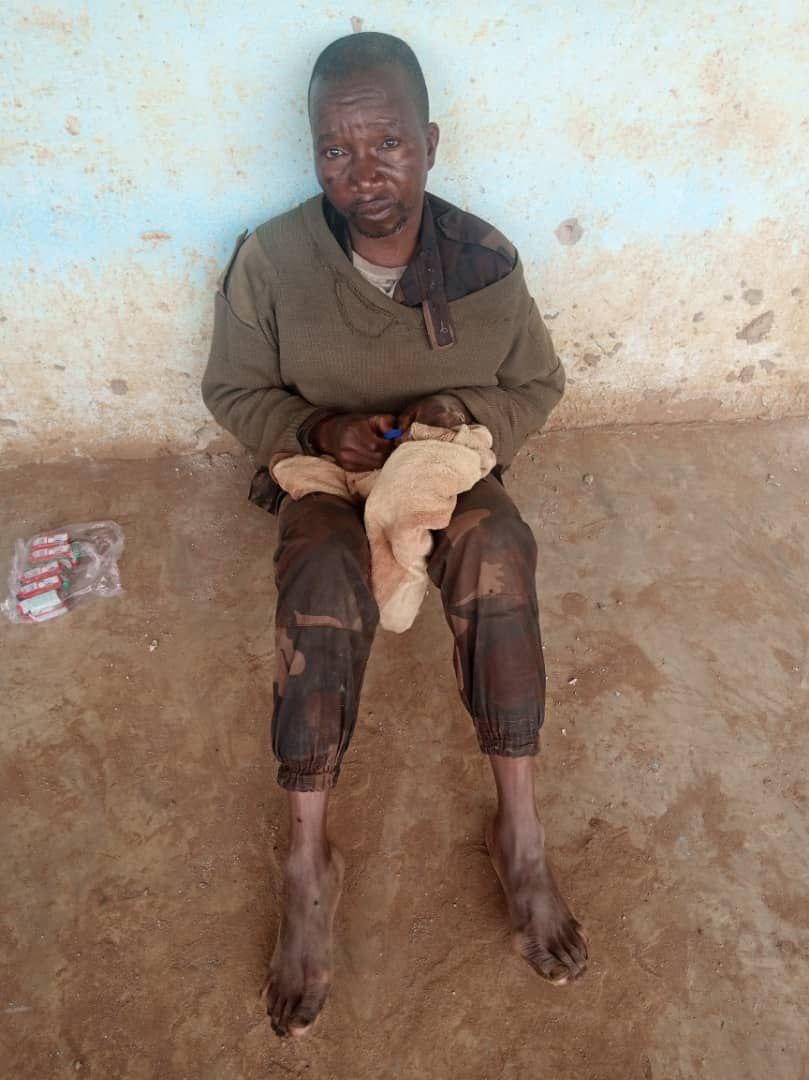
The operational theater for the CPR is strategically significant, centering on areas north of the provincial capital, Bunia, and around Lake Albert—a vital corridor for regional trade. Analysts suggest the group's recent success in Bule demonstrates its growing capability to exploit the FARDC's overstretched resources and challenge state authority in a province long plagued by inter-communal violence and resource conflicts.
While joint military operations between the FARDC and the United Nations peacekeeping mission (MONUSCO) continue in Ituri, this incident underscores the persistent and complex security challenges. The province remains the epicenter of one of the world's most severe, yet chronically underreported, humanitarian crises, with over 1.5 million people displaced from their homes. The International Committee of the Red Cross has described civilians in Ituri as caught in a relentless cycle of violence and displacement.
In response to the recent tensions, local authorities and MONUSCO have initiated community dialogues in the wider Djugu territory, aiming to rebuild trust between civilians and security forces. The path forward remains uncertain, with options ranging from an intensified military crackdown to politically delicate negotiations.