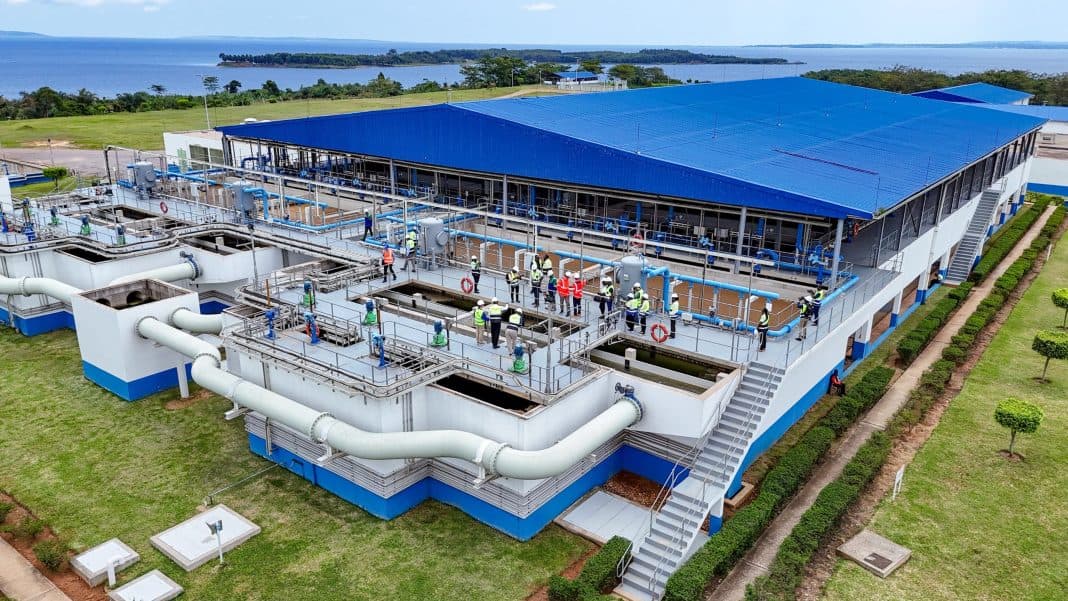
The National Water and Sewerage Corporation has moved into advanced stages of a major expansion designed to push water from the Katosi treatment plant to the fast-growing northern and western edges of Kampala.
Backed by financing from Agence Française de Développement, the project aims to convert existing production strength into steady household supply by strengthening transmission lines, pumping systems and storage capacity.
During a tour of the works on Thursday, Virginie Leroy said the Package 2B investments are essential if the millions of litres treated daily at Katosi are to reach homes and businesses.
She described the programme as a practical bridge between infrastructure and real service delivery.
Plant manager Joseph Tweheyo Baine said the facility can produce 160 million litres per day but currently runs at only about half of that level because distribution has lagged behind production.
He said the new network is meant to unlock full capacity.
The works, launched in February last year, include roughly 70 kilometres of primary transmission mains and major reservoirs at Kanyanya, Kabulengwa and Mutungo to answer surging demand in the metropolitan region.
Once complete, reliable supply will stretch to expanding urban centres such as Kira, Kasangati, Gayaza, Matugga, Kawempe, Nansana and Wakiso.
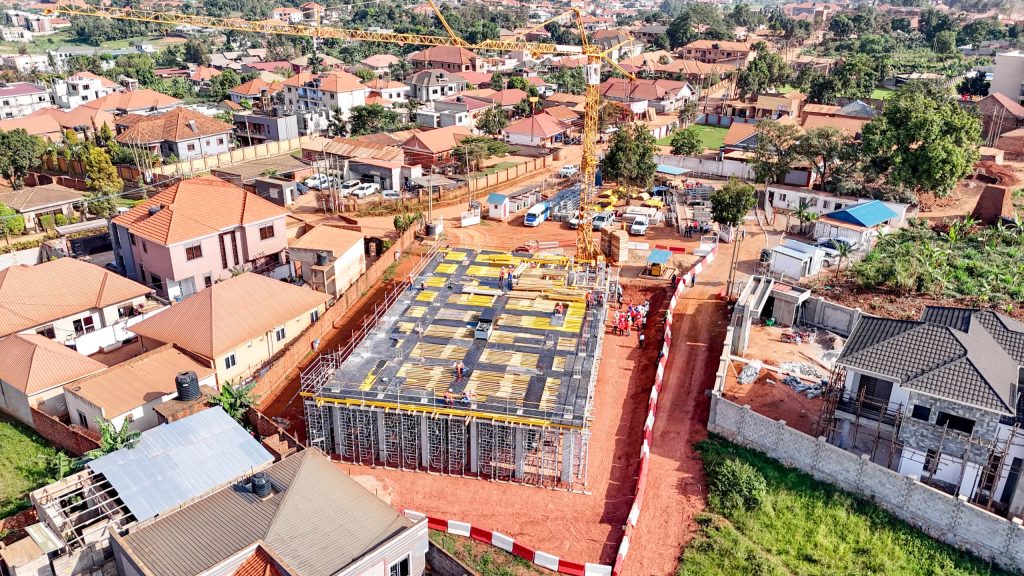
NWSC confirmed that pipe laying is already visible along the Mpererwe–Kawempe–Nansana corridor and overall completion is expected in August 2027.
Ambassador Leroy praised the corporation for discipline in project management and attention to value for money.
She pointed to the social protection arm of the programme, implemented together with KfW, which has delivered 1,400 prepaid public standpipes and 64 sanitation blocks serving about 450,000 residents in informal settlements.
She called Katosi a flagship of cooperation between Uganda and its European partners and said it will be central to supplying safe water to millions by the end of the decade.
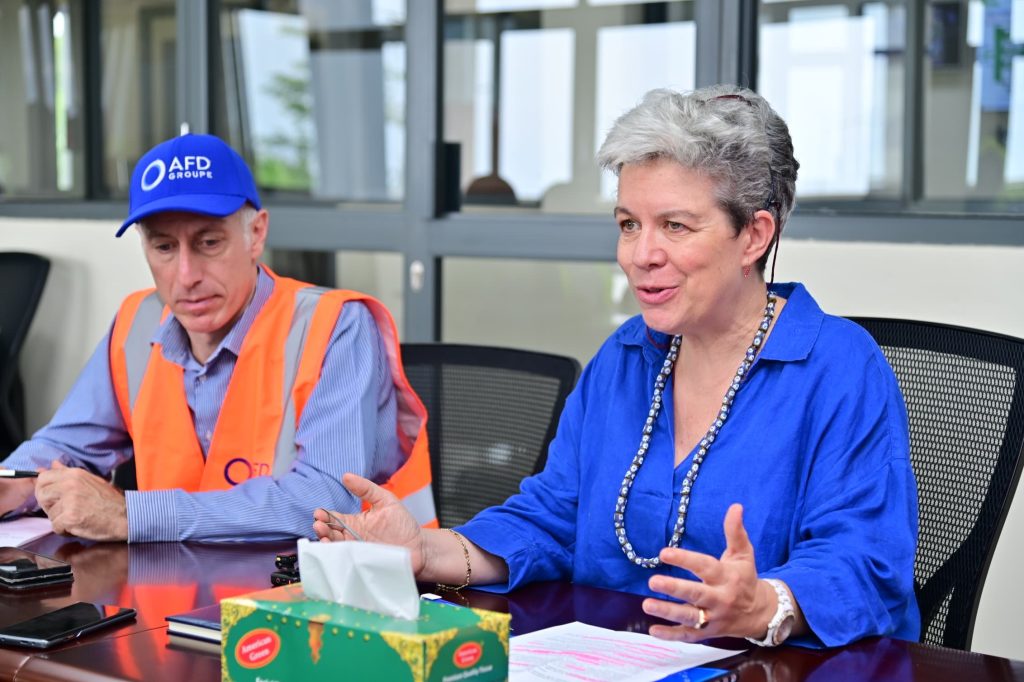
France has channelled nearly 480 million euros into Uganda’s water and sanitation development through AFD, a commitment the ambassador said aligns with national long-term planning priorities.
The visiting team also inspected installations being executed by SOGEA at the Kungu pumping station and at the Kanyanya reservoir site.
NWSC reported that foundations at the Kungu and Kabulengwa booster stations are complete and excavation for a 10-million-litre tank at Kanyanya is finished.
Senior engineering adviser Alex Gisagara said the pipelines and reservoirs form the crucial missing link between treatment and the customer’s tap.
Following earlier progress, AFD’s board in December approved extra financing to lift production by another 80,000 cubic metres per day and add 50 kilometres of network.
The programme also draws support from the European Union and the European Investment Bank.
The expansion comes amid rapid national growth for the utility.
Since 2013, NWSC has spread from 23 towns to 287 by early 2026, lifted its asset base to about Shs5 trillion and surpassed one million connections, reaching an estimated 22 million people.
Under its current corporate strategy, the corporation is pushing toward 1.1 million connections and coverage for roughly 24 million citizens.
While the broader project runs to mid-2027, the bulk pipeline feeding the Kiira–Kasangati axis is due by December next year and is expected to stabilise supply to Namugongo, Kiira, Buwaate, Bulindo, Mulawa and surrounding neighbourhoods.