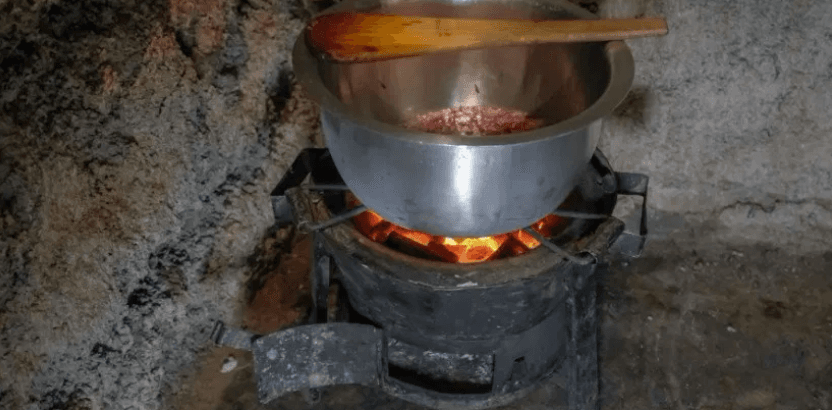
Every morning at dawn, Rose Nabirye lights her charcoal stove in the cramped kitchen of her home in one of Kampala’s most congested suburbs. The smoke stings her eyes and clings to the walls as she prepares breakfast for her three children. For years, this has been her daily routine—until the price of charcoal more than doubled, forcing her to choose between fuel and food.
“I used to buy a sack of charcoal for 40,000 shillings. Now it’s over 90,000. How can a mother survive like this?” Nabirye wonders.
Across Kampala, Nabirye’s dilemma is shared by thousands of households as fuel costs soar and forests vanish. But a quiet energy revolution is beginning to take shape—driven by community resilience, innovation, and a desperate need for change.
The Charcoal Crisis: A Ticking Time Bomb
Uganda loses nearly 90,000 hectares of forest annually—much of it cleared to make charcoal. Kampala alone consumes over 60% of the national charcoal supply, driving demand and accelerating environmental degradation.
“If we don’t shift to cleaner cooking methods, we’ll face severe food and water shortages within a decade,” Dr. Rusoke, a lecturer at Nkumba University says.
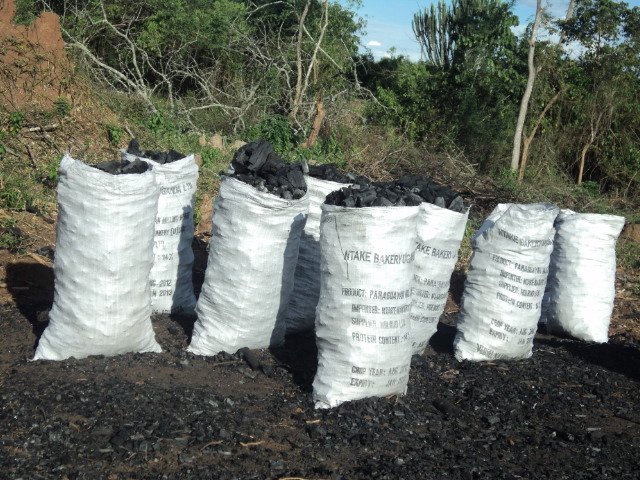
Efforts to regulate the charcoal industry exist, but enforcement is weak. In the meantime, prices continue to increase. At Kalerwe Market, a vendor notes: “We used to buy a sack for 35,000 shillings. Now it’s over 95,000—and still rising.”
For many families, energy poverty has become a new form of hardship—one that's forcing a shift in how residents in Kampala cook.
Embracing Innovation: Solar, Biogas, Gas, and Improved Cookstoves
In response, Kampala residents are embracing a range of alternative cooking technologies:
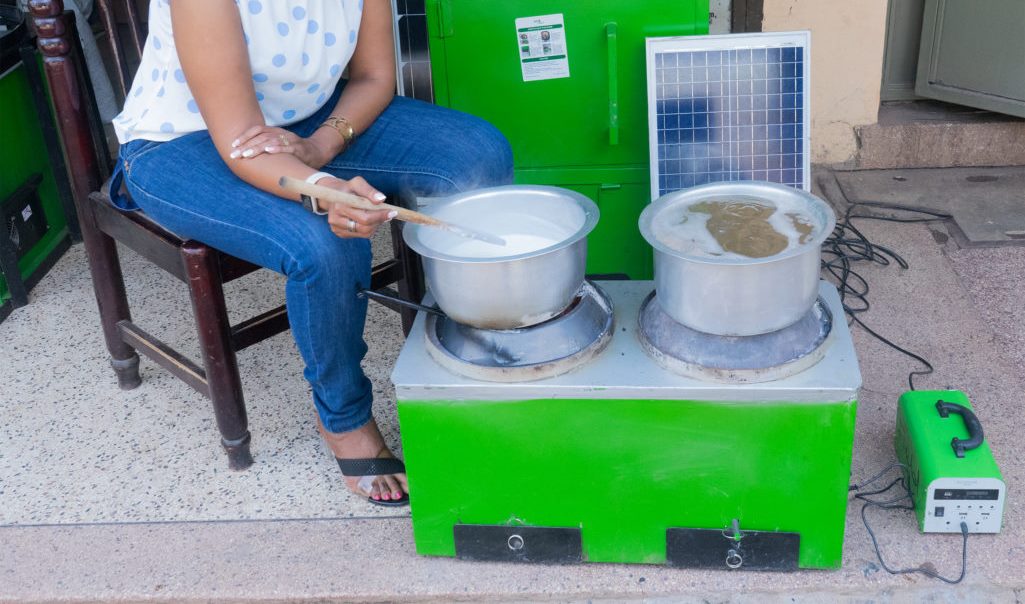
Solar Cookers
These devices harness sunlight to prepare meals without fuel or smoke. Particularly effective in sun-rich areas, they’re growing in popularity among urban dwellers.
Biogas Digesters
By converting animal or organic waste into cooking gas, biogas systems provide clean energy while promoting waste recycling.
Liquefied Petroleum Gas (LPG)
Known locally as gas, LPG is gaining traction among middle-income families. It’s fast, clean, and efficient—but still limited by cost and infrastructure.
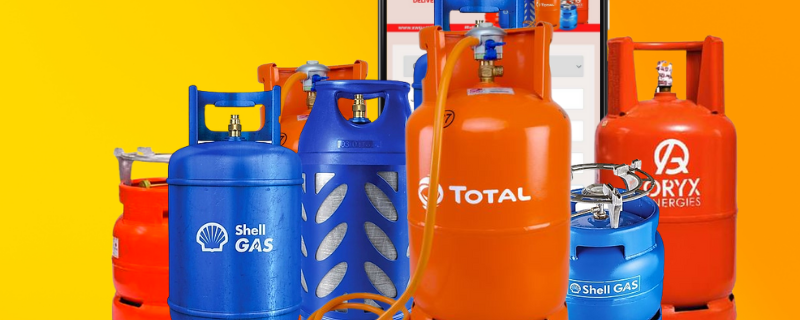
“I switched to gas during the lockdown. It’s expensive to refill, but it saves time and keeps the house clean.” Says Rebecca, a resident in one of the suburbs in Kampala.
Challenges remain, including safety concerns and limited access to refill stations in low-income areas.
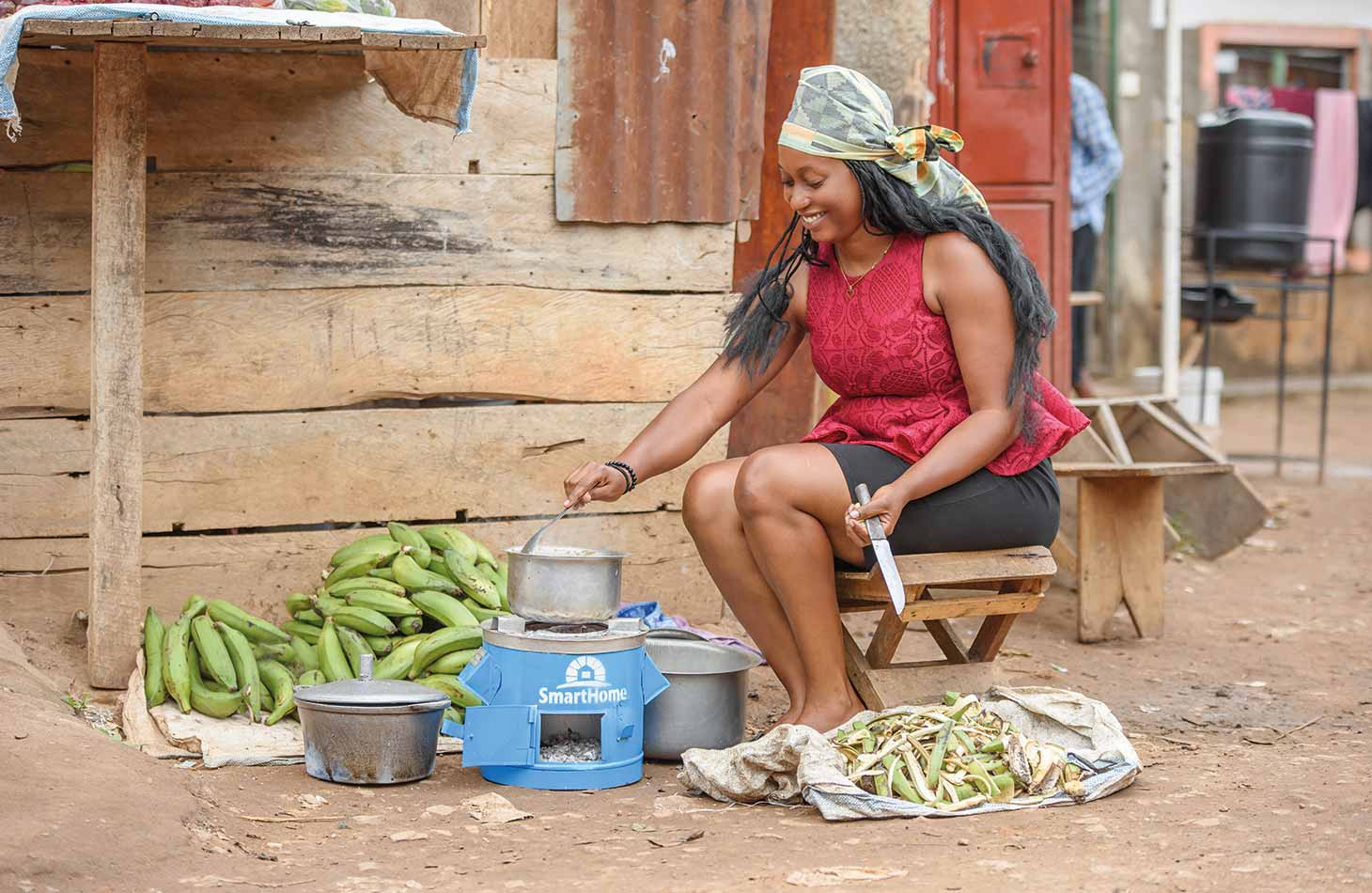
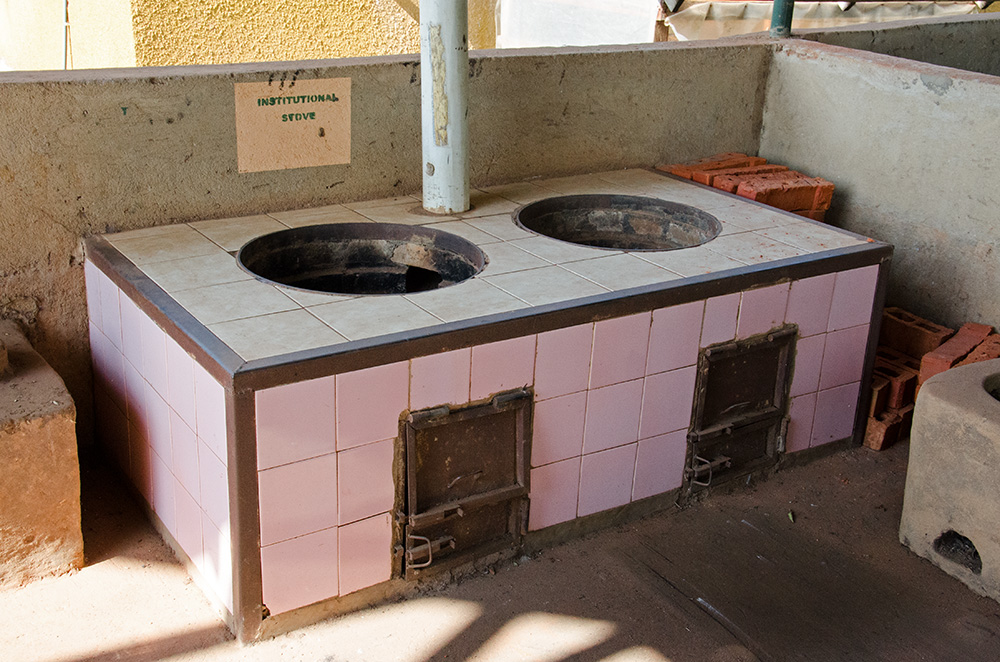
Improved Cookstoves
Designed to use less fuel, improved stoves cut down household expenses and air pollution. Several NGOs are actively distributing these models in densely populated neighborhoods.
The Role of Electricity—And Its Limits
Electric cooking is another growing trend, with households using pressure cookers, induction plates, and hot plates. “The electric cooker is great—until the power goes out.” — Wilikister Tedy, a teacher, in Ggaba says.
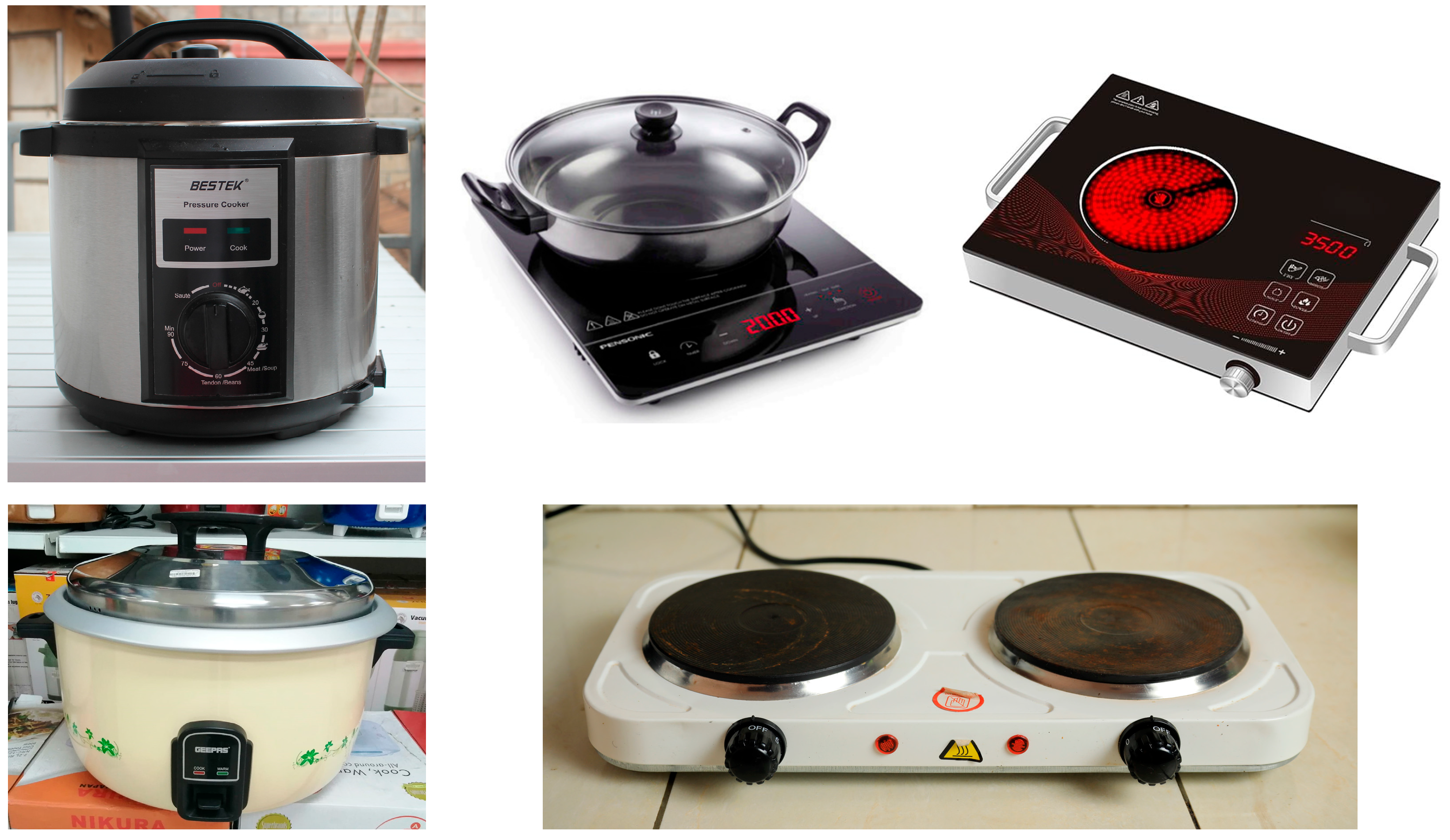
While Uganda’s grid is expanding, high tariffs and inconsistent supply limit the practicality of electric cooking. To combat this, the Ministry of Energy is piloting subsidized tariffs and off-grid solar units.
Greening the City: Urban Farming and Tree Planting
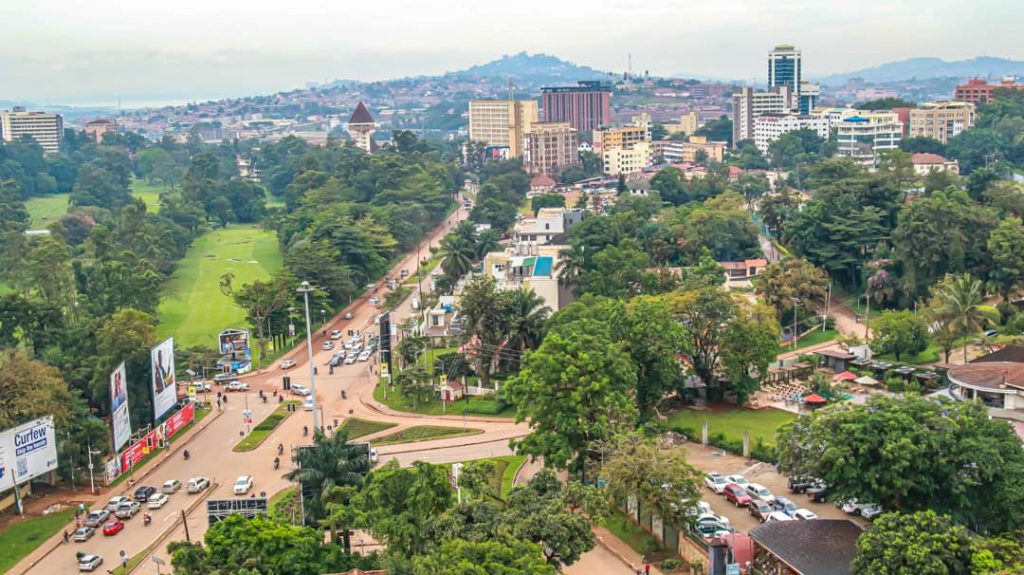
Kampala is also seeing efforts to reduce charcoal dependence at the source.
• Urban farming projects in Rubaga and Kawempe are promoting homegrown food and biogas production.
• The Greening Kampala campaign aims to plant more trees to replace forest cover lost to charcoal trade.
These initiatives combine environmental restoration with energy solutions—offering hope for more sustainable urban living.
Government Policies and Challenges
Policies like the Biomass Energy Strategy (BEST) and the Renewable Energy Policy are in place, but implementation is slow. “There’s political will, but not enough coordination. We need more awareness, better subsidies, and strict enforcement of conservation laws,” an energy policy analyst says.
Without stronger action, low-income families may continue to face limited choices and worsening air quality.
A Future Beyond Charcoal?
For mothers like Nabirye, the hope is clear: “I want to cook without choking. Without worrying about cost. Is that too much to ask?”
Kampala’s cooking future depends on innovation, policy, and collective commitment. Clean energy is not just about cleaner kitchens—it’s about health, climate resilience, and economic equity.
As the city expands, the energy choices it makes today will shape the lives—and lungs—of generations to come.