

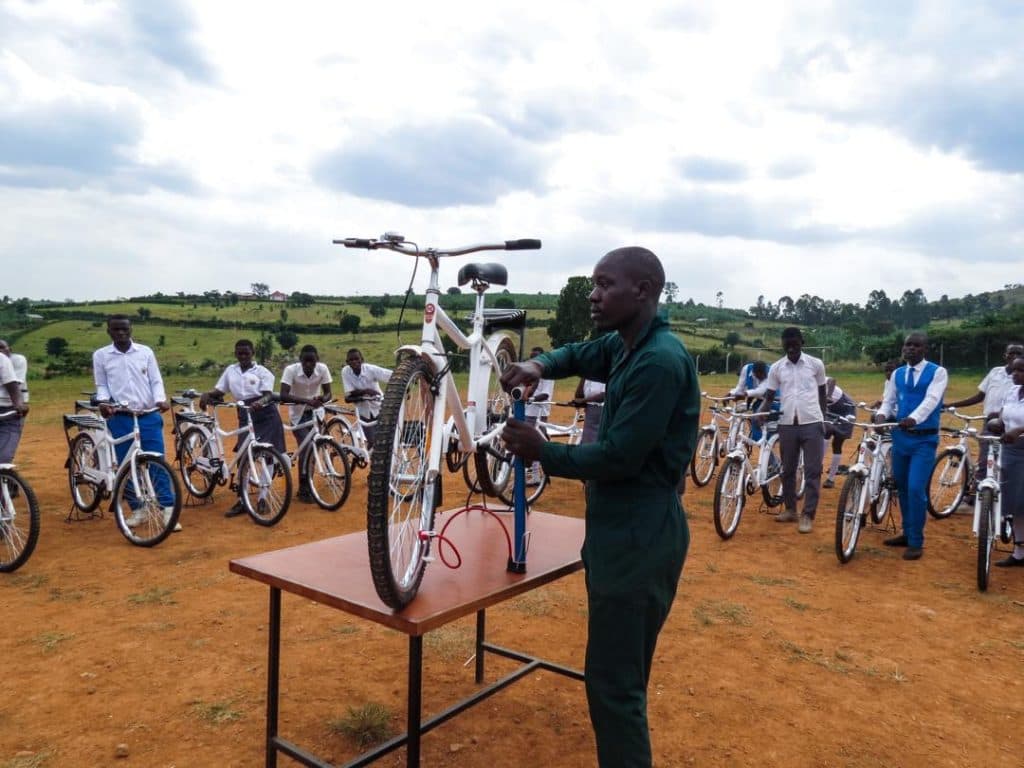
Hundreds of rural learners across Kamuli, Kyegegwa, and Adjumani districts have received bicycles to eliminate exhausting daily commutes and reduce widespread school dropouts.
The WeLearn WeTeach Bicycle Empowerment Programme has so far distributed 728 bicycles to 14 secondary schools within the three beneficiary districts.
CooP Uganda is implementing the structural transport intervention in partnership with Enabel, the Ministry of Education and Sports, the European Union, and the Kingdom of Belgium.
In the latest phase of the project, implementation teams handed over 458 bicycles to nine secondary schools in Kamuli and Kyegegwa.
Kyegegwa received 208 bicycles split among four schools, while Kamuli secured 250 bicycles distributed across five institutions.
The logistics package also equipped the beneficiary schools with spare bicycles, specialized toolkits, pumps, and repair equipment.
Students residing in remote villages routinely trek distances between five and 15 kilometers each day to access the nearest classroom.
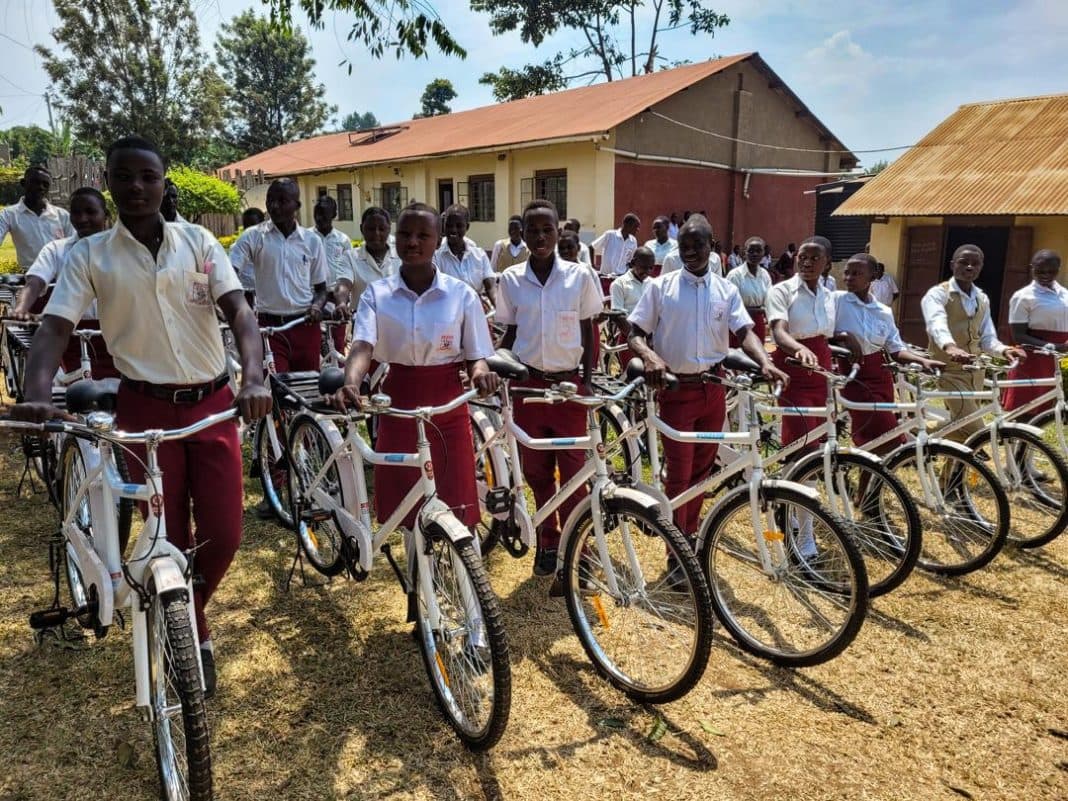
Many school administrators note that the extreme commuting distance drives chronic morning lateness, persistent absenteeism, and ultimate dropouts, with girls facing acute safety risks along isolated pathways.
CooP Uganda General Manager, Kabaale Edgar, stated that the intervention directly targets physical barriers that exclude vulnerable children from formal learning.
“A bicycle may look simple, but for many learners it means arriving at school on time, attending classes consistently and staying in school longer," Kabaale explained. "This programme is about dignity, opportunity and keeping education within reach,” he added.
The selected beneficiary institutions in Kyegegwa District include Rwentuha Seed Secondary School, Mpara Secondary School, Kakabara Secondary School, and Kibuye Secondary School.
In Kamuli District, administrators distributed the fleets to Namasagali College, St John Bosco Secondary School, St Paul Secondary School Mbulamuti, Bulopa Secondary School, and Luzinga Secondary School.
To guarantee institutional sustainability, the schools have established dedicated bicycle management committees to handle transparent allocation, routine maintenance, and accountability.
The students underwent comprehensive training covering essential road safety, basic riding techniques, and bicycle care, alongside launching institutional cycling clubs.
Enabel Project Manager, Joeri Leysen, emphasized that changing local mindsets regarding gender mobility is central to securing the project's long-term goals.
“We engaged communities directly on cultural attitudes around girls cycling because lasting impact only comes when communities support the solution," Leysen noted. "Better transport for girls means better attendance, improved safety and stronger chances of completing school,” he added.
The program guidelines instruct schools to allocate a minimum of 40 percent of the available bicycles directly to female students to enhance retention.
Concurrently, researchers are tracking field data to assess how the bicycles impact student punctuality, dropouts, personal security, and final academic performance.
The strategic initiative has now expanded operations into Adjumani District to distribute the remaining 260 bicycles.
The Adjumani distribution covers Pagirinya Secondary School, Adjumani Secondary School, Dzaipi Secondary School, Lewa Secondary School, and Ofua Seed Secondary School.
The northern team is currently training local management committees while certifying five community mechanics to provide professional repair services across the district.