
The Committee of Commission, Statutory Authorities and State Enterprises (COSASE) has cited gross mismanagement and abuse of Uganda Railway Corporation (URC) properties.
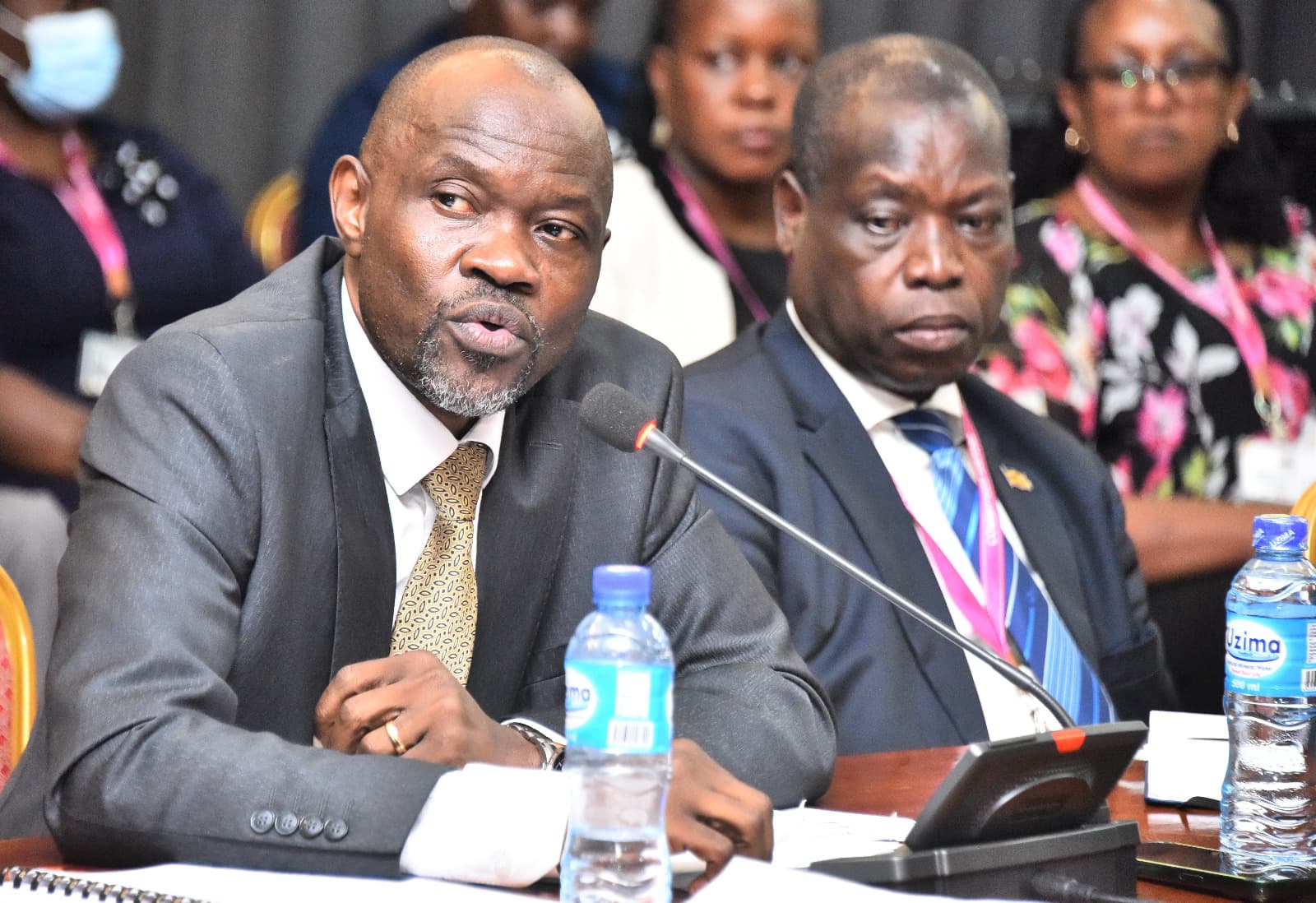
While presenting the Committee report on Wednesday, 13 April 2022, COSASE Chairperson Joel Senyonyi faulted Uganda Land Commission (ULC) and URC management for misallocation of land and failure to oversee and protect the Corporation's assets respectively.
The Committee also blamed the Board of URC for not providing appropriate guidance to URC management to enable the entity to effectively carry out its mandate. According to the report, as a result of lack of supervision, several pieces of URC's land has been encroached, while other chunks of land have been irregularly and fraudulently given out to local investors. For example, the Committee cited irregularities and mismanagement of the disposal of URC land in Nsambya by ULC to compensate local investors who were evicted from the Naguru-Nakawa estate to pave way for the development of a satellite city.
In 2010, the Presidential directive and cabinet memo allowed ULC to allocate 32.35 acres of URC land in Nsambya. However, 72.78 acres was what was allocated, bringing an over allocation of 40.43 acres without authorization. Senyonyi notes that some beneficiaries that were included in the Presidential directive and Cabinet memo were denied land and they include; National Library (2 acres), Nakawa Disabled Vocational Training Institute (0.6 acres), Quakers (0.43 acres) and Church of Uganda (0.39 acres). At the same time some ULC went ahead and allocated land to some individuals and entities who were not meant to be beneficiaries as per the Cabinet Memo of 2010.
"For example, Kampala International University, which did not appear in the Cabinet Memo and Presidential directive was allocated 14 acres for the development of the University. However, a shopping mall (Arena MaIl) was eventually built on the said land," Senyonyi said.
The Committee recommends that ULC and the Privatisation Unit be held responsible for the anomalies that transpired in the allocation of URC land at Nsambya. The Committee also noted that some beneficiaries did not pay premium or ground rent for the land that was allocated to them.
"The lease for Ms. Janet Kobusingye, the proprietor of Mestil Hotel and Residences was extended from 10 years to 49 years then to 99 years with no premium or ground rent paid for the 89 years which is contrary to the law and the terms of the Consent Judgment which does not waive the requirement for payment of premium and ground rent on public land," the report reads.
The committee in its report also observed that ULC and District Land Boards have over time created illegal leases on URC land and requests by the latter for cancellation have been futile.
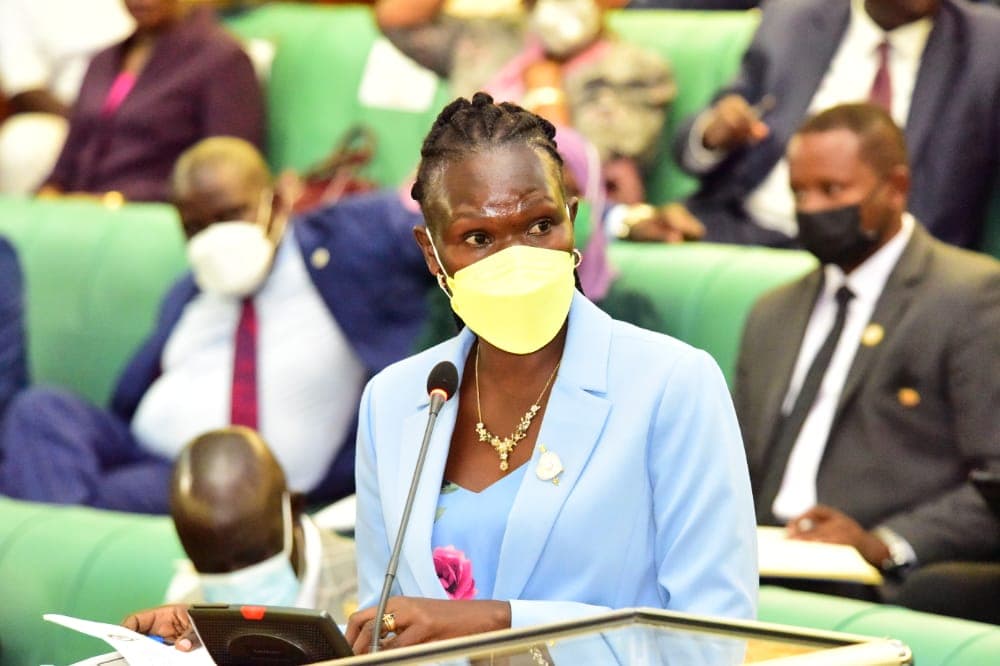
The Minister of State for Privatization, Everlyn Anite told the House that whereas government is committed to pay Shs69.52 billion for the giveaway of Nsambya land, the monies has not be allocated in the budget for the next financial year due to what she describes as “competing priorities.” Speaker Anita Among directed that plans for the allocation since budget process is still ongoing.
The Committee also inquired about the inventory list of locomotive engines for the Corporation to ascertain its status of operation, engine capacities, location and whether they possess fuel registers. Apparently, URC procured four locomotives in August 2021 at a total of Shs48 billion, but since they arrived they have been redundant and parked in the workshop because they require modifications of the triangles on the railway lines to enable them to move smoothly. It was also observed that the purchased locomotives were old and procured at an exorbitant price than it would have cost the government if they had procured new locomotives.
"The Ministry of Works and Transport deviated from the government policy of procuring new equipment and recommended and approved the purchase of used and refurbished locomotives. Therefore, the Ministry should take responsibility for failure to follow government policy on procurement of equipment," the committee recommended.