

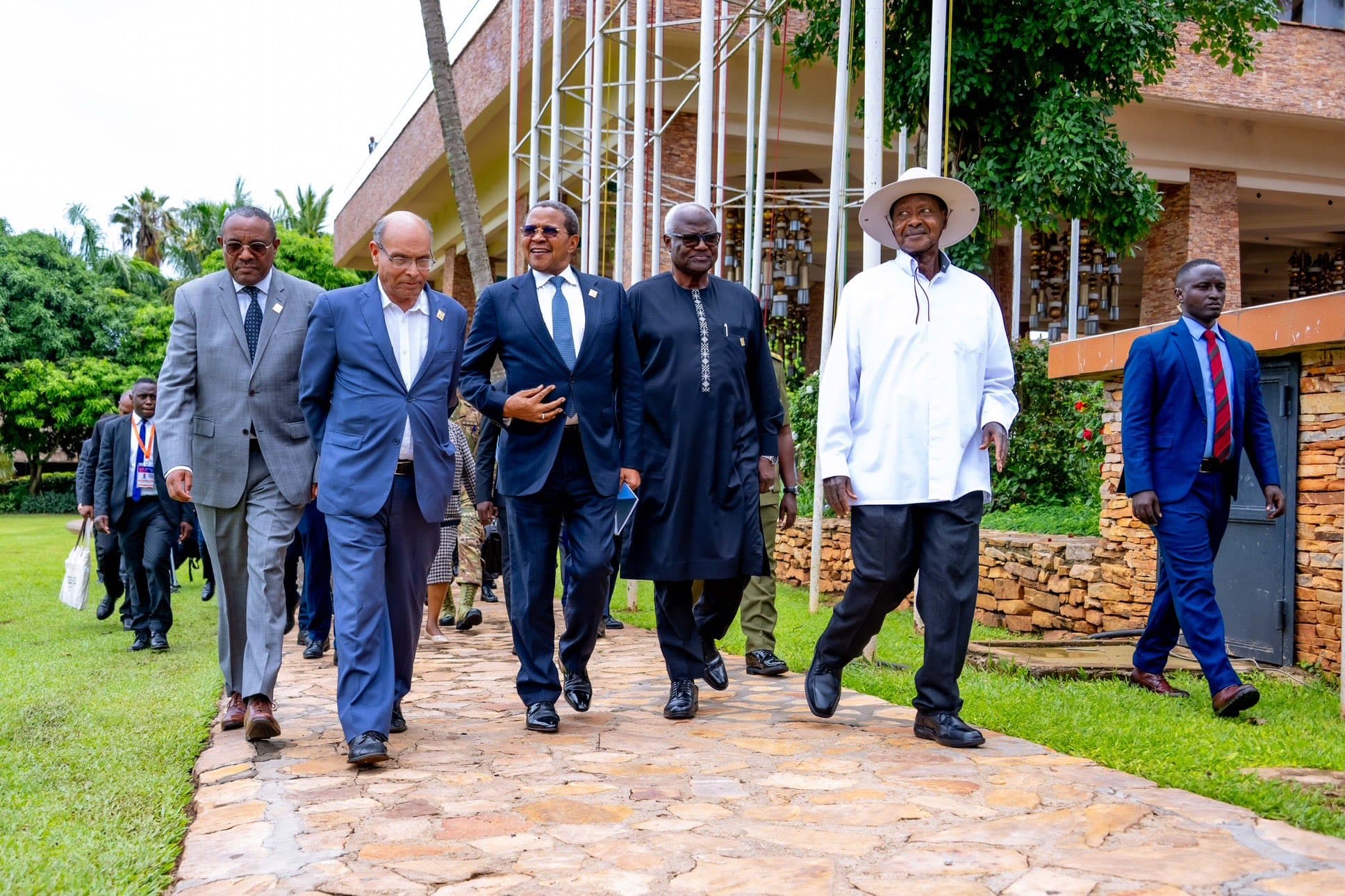
President Yoweri Kaguta Museveni has called on African leaders to confront and eliminate bottlenecks that continue to hinder the continent’s economic transformation and sustainable development.
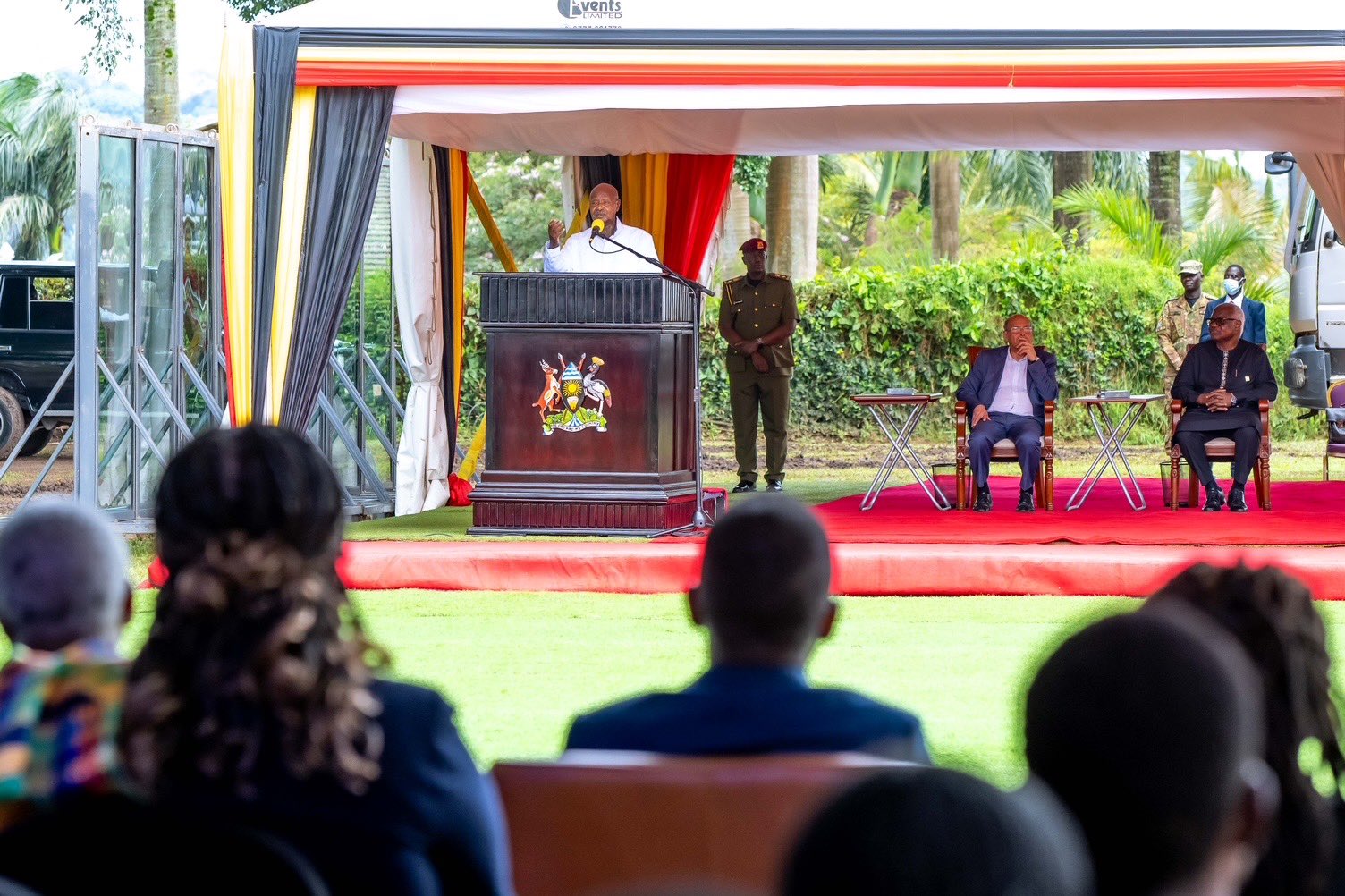
Speaking at the opening of the 8th African Leadership Forum on April 7, 2025, at Speke Resort Munyonyo, President Museveni said Africa must deliberately pursue both economic and ideological transformation to break free from underdevelopment.
“This theme of sustainable development has been around for long. But our question has always been: how do you sustainably remain an infant? A baby must grow. At some stage, you must undergo transformation, just like in biology where a caterpillar turns into a butterfly,” he said.
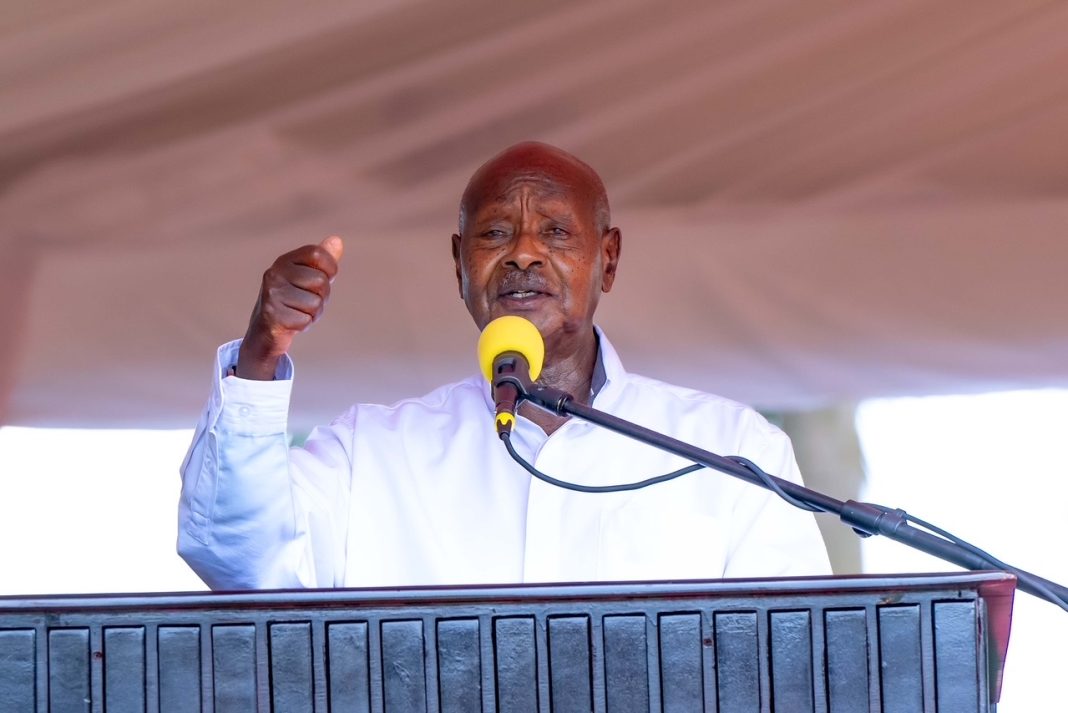
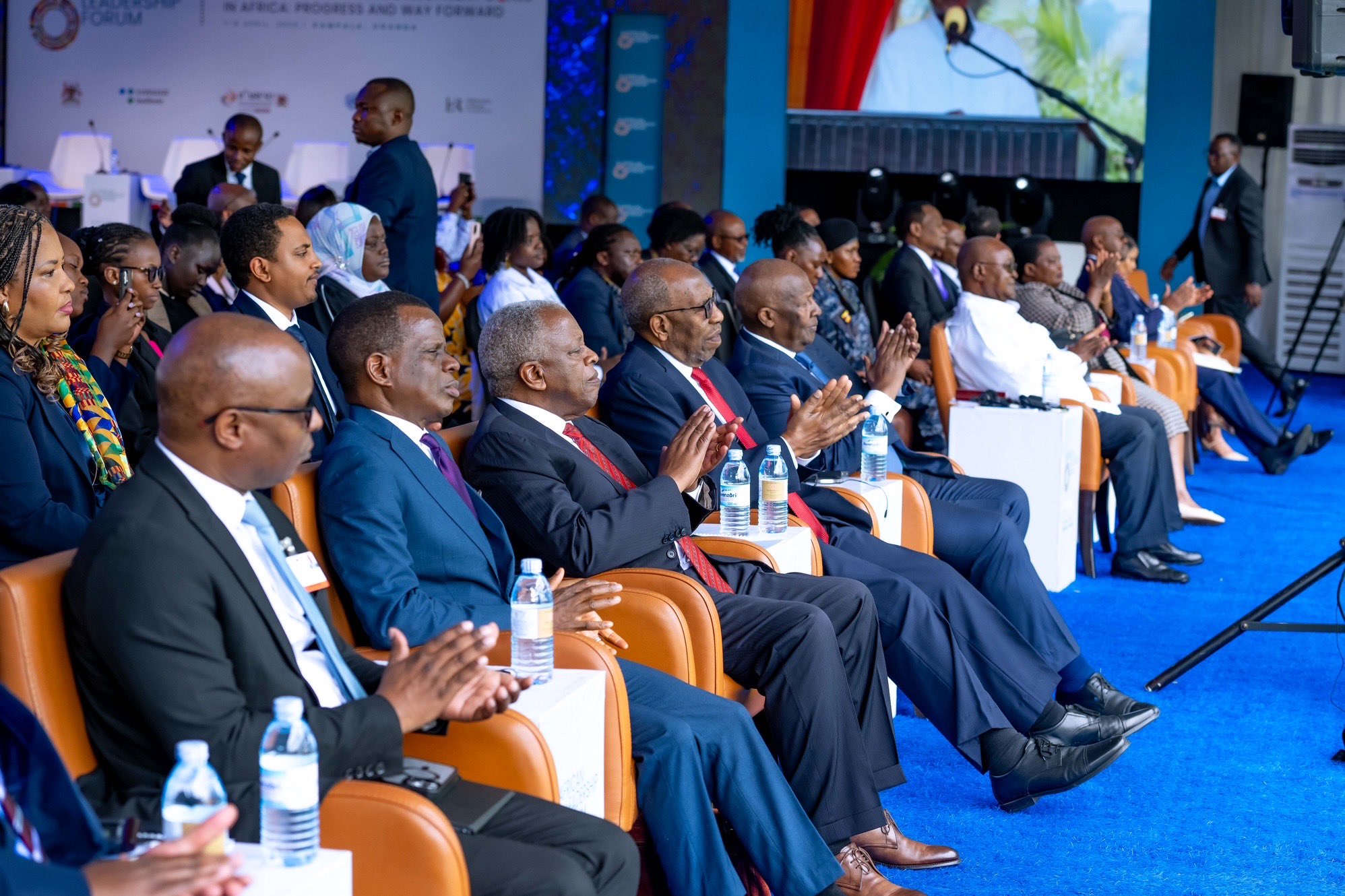
The forum, held under the theme “Realizing Sustainable Development Goals in Africa: Progress and Way Forward,” focused on assessing the continent’s progress toward the Sustainable Development Goals (SDGs), identifying persistent obstacles, and advancing home-grown solutions to challenges such as climate change, health, education, and youth unemployment.
Museveni traced Africa’s post-independence setbacks to weak state institutions and identity-based politics, which he said undermine development.
“If your politics is based on tribes, religion or gender, how will you build a strong state? Wrong politics have created weak states. You need a liberation movement with clarity to build capable structures,” he said.
He criticized the past suppression of private enterprise, citing Uganda’s economic collapse after the expulsion of Indian entrepreneurs under Idi Amin.
“Entrepreneurs are critical. When we expelled the Indians, we lost a lot. They were helping us. That was another strategic bottleneck,” Museveni added.
He urged African countries to stop exporting raw materials and instead add value to retain wealth and create jobs on the continent.
“When you export raw coffee, you get $2.5 per kilogram. But when someone adds value—roasts, grinds, and packages it—they earn up to $40. So in every kilogram, Africa donates over $20 to the world,” he said.
Museveni emphasized the need for larger regional markets, citing Uganda’s milk surplus.
“We produce 5.3 billion litres of milk annually, but Ugandans only consume 200 million litres. What happens to the rest? We need bigger markets,” he said.
He called for better infrastructure, including affordable rail and water transport, and highlighted the importance of human capital development in driving transformation.
The President also addressed poverty and the need to transition citizens from subsistence farming to the money economy.
“In the 1960s, only 10% of Ugandans were in the money economy. Today, it’s 68%, but we still have a big population working just for the stomach,” he said.
He credited initiatives like Entandikwa, NAADS, and Operation Wealth Creation with expanding economic participation and outlined Uganda’s journey through six economic phases, culminating in the current focus on science, innovation, and vaccine production.
“Whenever we talk of sustainable development, this is what we mean—building a new economy driven by transformation,” Museveni said.
Former President of Tanzania, Jakaya Kikwete, urged African leaders to move from dialogue to action.
“We hope that this African Leadership Forum will serve as a call for bold and proactive solutions, and for a renewed commitment across the continent,” he said.
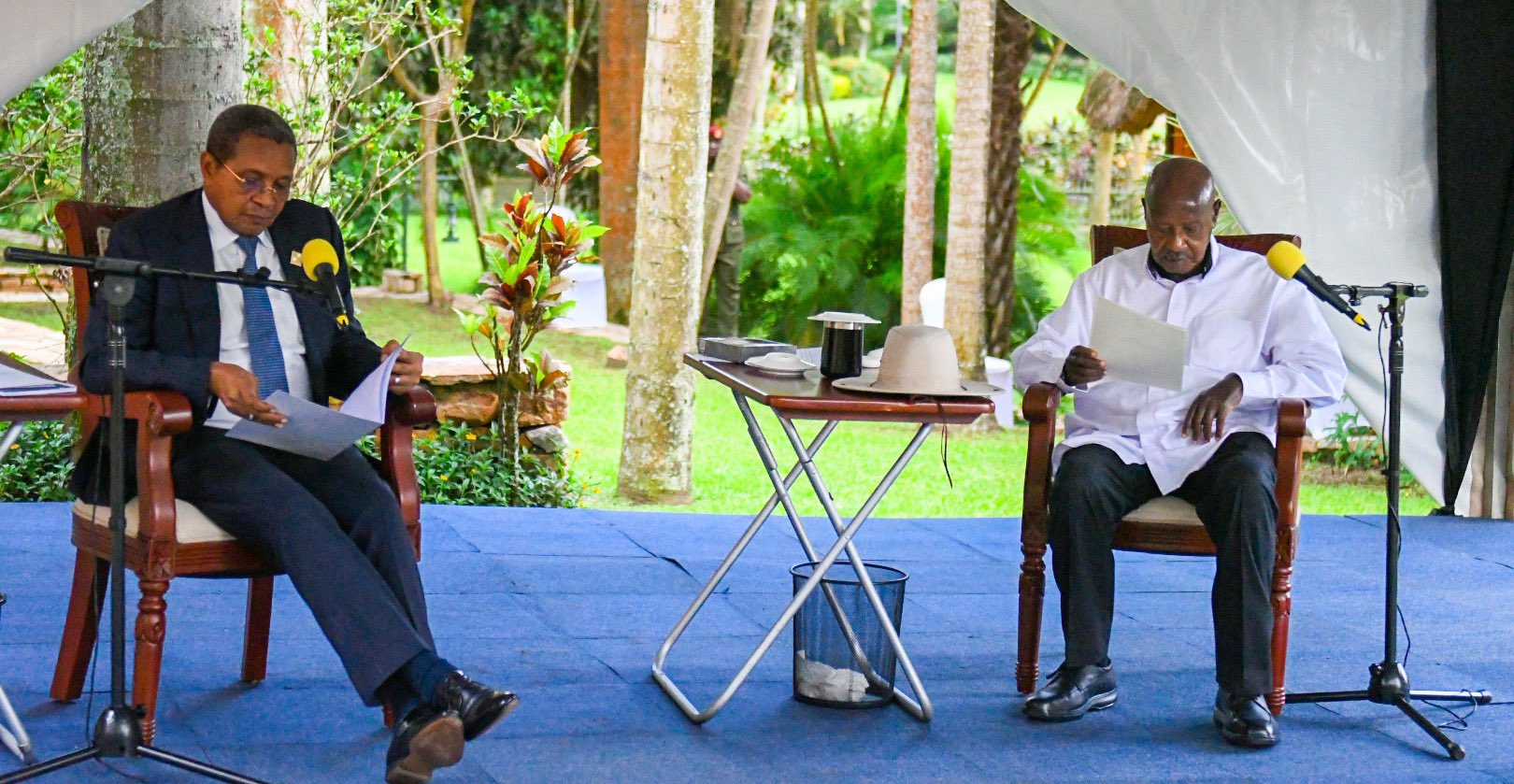
He praised Uganda’s hospitality and President Museveni’s commitment to the forum.
“Your presence at this forum means a lot to us. It demonstrates your commitment to the realization of the SDGs,” Kikwete said.
He noted that the forum, initiated in 2014 by the late Tanzanian President Benjamin Mkapa and the UONGOZI Institute, has become a vital platform for strategic dialogue among African leaders.
Ugandan dignitaries in attendance included Prime Minister Robinah Nabbanja, former Prime Ministers Ruhakana Rugunda and Amama Mbabazi, and former Vice President Prof. Gilbert Bukenya.