

To many people, an industrial park is just a cluster of factory buildings surrounded by warehouses and heavy machinery. But the real value of an industrial park lies far beyond physical infrastructure. It is about creating an environment where businesses can operate efficiently, investors can move quickly and jobs can be created at scale. For Uganda, this conversation is becoming increasingly urgent.
The country remains one of the fastest growing populations in Africa, with projections showing that Uganda could have close to 85 million people by 2050. More than half of the population is expected to live in urban areas by then, while the median age will remain around 24 years, meaning millions of young people will continue entering the labour market every year.
Already, about 700,000 youth join the labour market annually, yet the National Planning Authority estimates that nearly 885,000 jobs will be needed each year to absorb new entrants. This gap explains why industrialization is no longer simply an economic option for Uganda but a necessity.
Government alone cannot create enough jobs for Uganda’s growing population. The private sector must play that role, while government focuses on creating the right enabling environment. Industrial parks are part of that solution and Uganda’s Vision 2040 recognizes this reality. The country aspires to become an upper middle income economy by strengthening manufacturing, agro-processing and value addition to agricultural products. The National Development Plan III equally identifies industrialization as one of the major pathways toward economic transformation. Together with agriculture and agro-industry, manufacturing is expected to provide the foundation for long term growth and job creation.
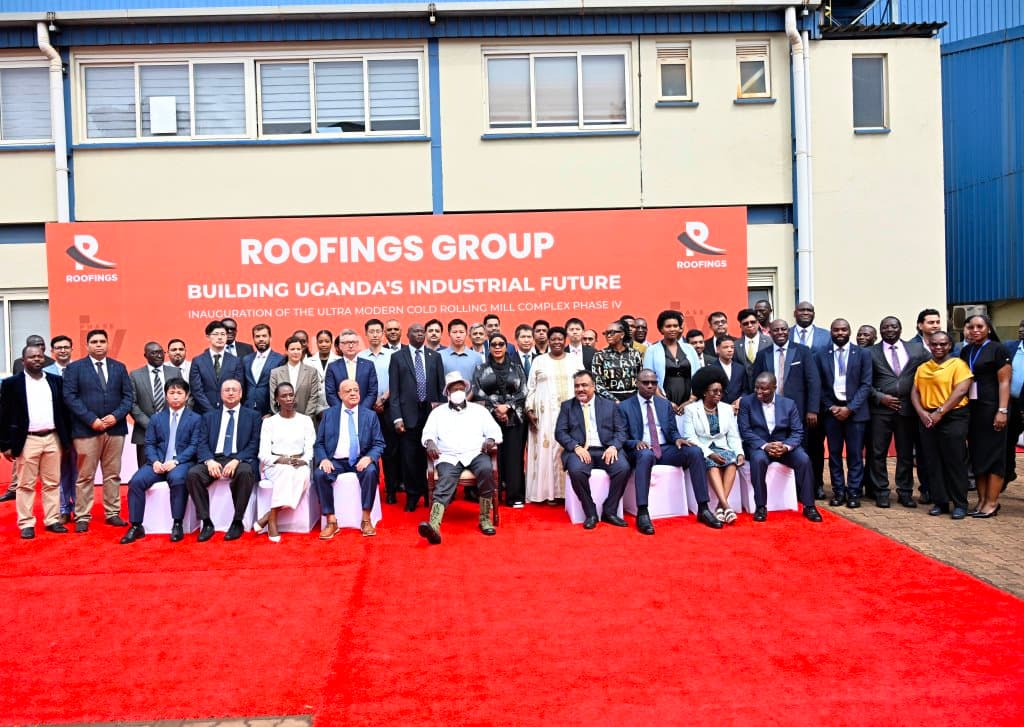
The Kampala Industrial and Business Park in Namanve which currently employs close to 200,000 people offers a clear example of Uganda’s need for industrial transformation. In 2016, the park had only 12 functional factories, but that number has since grown to nearly 500 following major investments in industrial infrastructure by government through the Uganda Investment Authority. The ongoing works, which include modern drainage systems, sewer and water lines, ICT ducting, street lighting and other utilities designed to support industrial activity, are expected to attract even more investment once completed. Beyond physical development, these investments are lowering the cost of doing business, improving efficiency and logistics and creating new economic opportunities for Ugandans.
If one industrial park can stimulate such levels of investment, manufacturing and employment, then the impact of the 25 industrial parks government is establishing across Uganda’s subregions could be transformative for the country’s future job creation and economic growth.
These Industrial parks also provide opportunities for local entrepreneurs. Recently Uganda Investment Authority has been encouraging small scale industries in districts hosting industrial parks to supply and support larger manufacturers within the ecosystem. This creates linkages between local businesses and international investors while promoting technology transfer and skills development.
Uganda’s industrialization journey will not happen overnight. Transitioning labour from a largely agrarian economy into an industrial workforce remains a challenge. But if Uganda is to create enough jobs for its rapidly growing population, industrial parks may prove to be one of the country’s most important tools for economic transformation in the coming decades.
Joshua Potere Mushwa
Industrialization enthusiast.