
Banks and other financial institutions across Uganda will be required to adopt a new identity verification system introduced by the National Identification and Registration Authority (NIRA) to strengthen security and protect customers' personal information.
The system, known as the National Security Information System (NSIS), allows banks to verify customer details through NIRA's database using their national identification numbers (NINs).
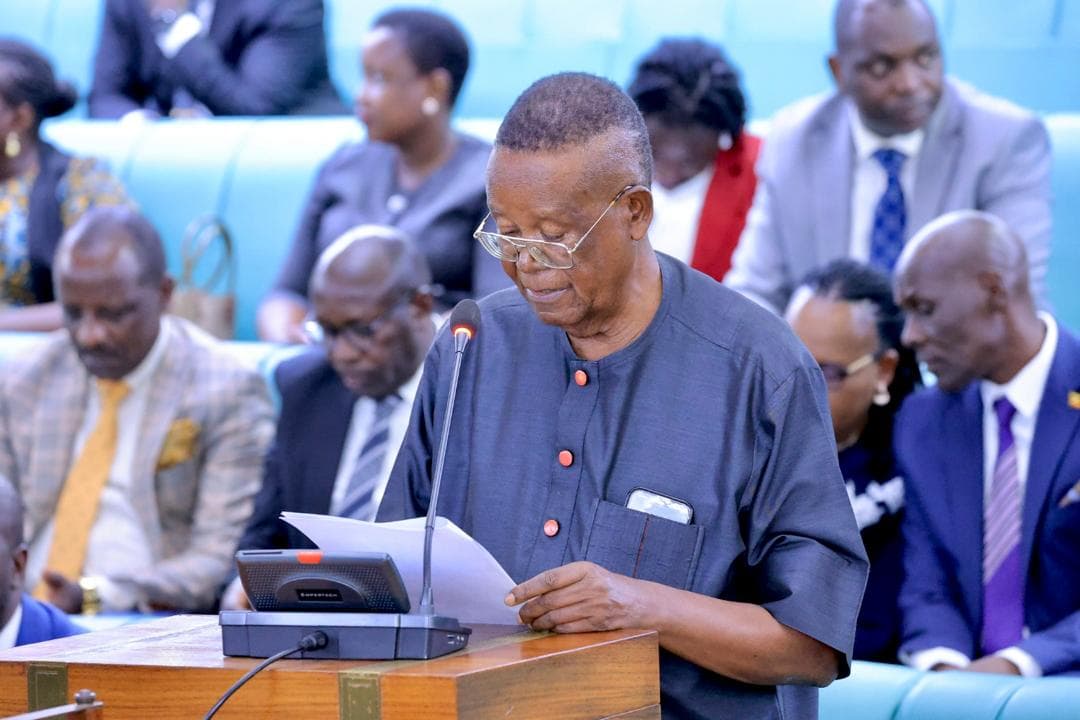
Internal affairs minister Ephraim Kamuntu said the new arrangement replaces the previous method, which relied on information obtained by reading national identity cards.
Kamuntu explained that the system aims to reduce identity fraud, improve data protection and prevent unauthorised access to personal information.
He made the remarks during a parliamentary sitting on Wednesday, November 18, while responding to concerns raised by MPs over difficulties Ugandans face when verifying their identities for financial transactions.
Legislators complained that the changes have inconvenienced bank customers and increased the cost of accessing financial services.
They questioned why banks cannot continue using customer information collected through the old national identity cards.
MPs also raised concerns about the difficulty of obtaining confirmation letters from NIRA, which some customers need before completing transactions.
Kamuntu acknowledged that the transition has faced delays because banks and telecommunications companies must upgrade their technology to connect to the new system.
He revealed that NIRA had issued integration guidelines to 107 partners, but only 10 had started using the system by October 28, 2026.
According to the Uganda Bankers' Association, several financial institutions were still installing biometric readers compatible with the new verification process.
Kamuntu said customers whose national identity cards cannot be verified at a bank or another service point can use NIRA's secure verification channel or obtain a Confirmation of Information Letter.
However, MPs questioned who should pay for these letters, particularly when financial institutions require customers to produce them before receiving services.
They warned that passing the costs of upgrading verification systems to customers could place an additional financial burden on Ugandans, including those seeking services from microfinance institutions.
Deputy speaker Thomas Tayebwa defended the changes, arguing that stronger identity checks would help Uganda fight money laundering and terrorist financing.
Tayebwa said Uganda had introduced laws to address weaknesses identified by the Financial Action Task Force (FATF), an international body that monitors measures against financial crime.
He warned that criminals had previously used forged national identity cards to facilitate illegal financial transactions.
Uganda was removed from the FATF grey list in February 2024 after addressing shortcomings in its systems for combating money laundering and terrorist financing.
Tayebwa said the new verification system would help protect that progress and prevent the country from facing renewed international scrutiny.
The government's directive comes as banks continue upgrading their systems, leaving questions over when all financial institutions will complete the transition and whether customers will bear additional verification costs.