
The Bank of Uganda held its benchmark lending rate at 12 per cent on November 9, 2026, but warned that inflation could average up to 8 per cent over the next 12 months.
The Monetary Policy Committee raised its inflation forecast and cut its growth projection as a weaker shilling and higher global oil prices put pressure on household budgets and businesses.
Headline inflation rose to 5.8 per cent in October from 4.6 per cent in September. The central bank blamed most of the increase on higher energy costs and weather shocks. Core inflation climbed to 4.4 per cent from 3.7 per cent, a sign that price increases had spread across the economy.
The central bank now expects headline inflation to average between 7.5 and 8 per cent over the next 12 months. It projects core inflation of 6 to 6.5 per cent over the same period, above its medium-term target of 5 per cent.
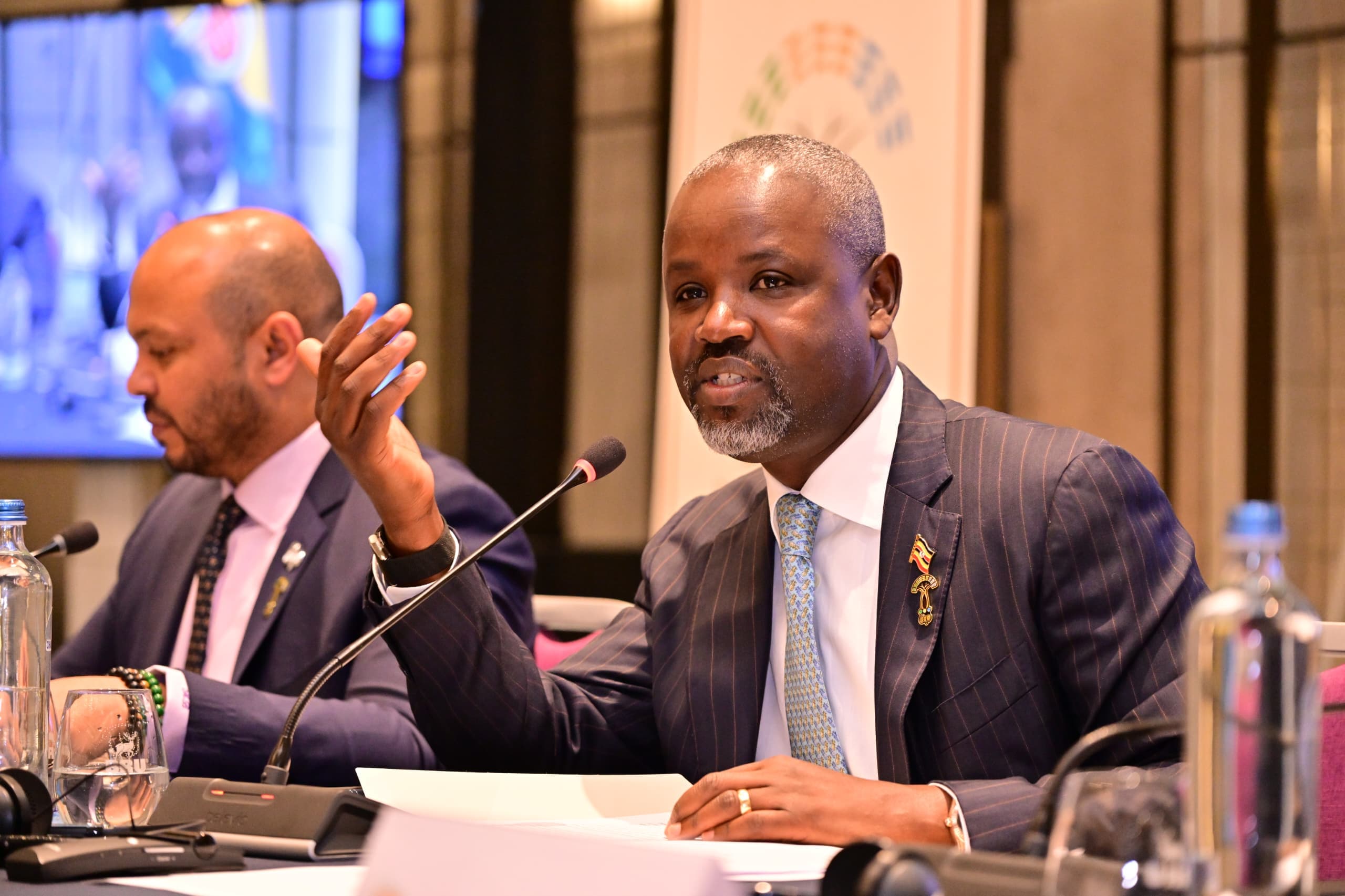
Governor Michael Atingi-Ego said higher fuel costs and a weaker shilling were already pushing up prices for other goods and services. The bank warned that a widening current account deficit and slower inflows from foreign investors could put further pressure on the shilling and raise import costs.
The committee judged that financial conditions were already tight enough. It held the Central Bank Rate at 12 per cent to give earlier policy measures more time to work.
The bank widened the band around the policy rate from two to three percentage points on either side to keep shilling liquidity tight. It also raised the rediscount rate to 16 per cent and the bank rate to 17 per cent.
The central bank cut its growth forecast for the 2026/27 financial year to between 5.5 and 6 per cent, from 6 to 6.5 per cent. It cited tighter financial conditions, a weaker shilling and higher energy costs.
The bank estimates that Uganda’s economy grew by about 5.3 per cent in the quarter to September, down from the 6.8 per cent the Uganda Bureau of Statistics reported for the quarter to June. The central bank linked the slowdown to weaker global conditions and the effects of a drought in the first half of the year.
The bank expects growth to average about 8 per cent over the next five years, supported by private investment, stronger exports and developments in the oil sector. It said better weather could boost food supplies and ease inflation, while a fall in global oil prices could slow price increases faster than forecast.