
For decades, public sector communication across many developing administrations has suffered from a recurring flaw: bureaucratic siloing.
One ministry releases an announcement, an autonomous government agency presents conflicting data, and citizens remain caught in the middle attempting to decipher actual public policy.
Recognizing this breakdown, the Government of Uganda has rolled out the National Communication Policy 2026 to systematically overhaul state information dissemination, curb misinformation, and replace fragmented messaging with a unified voice.
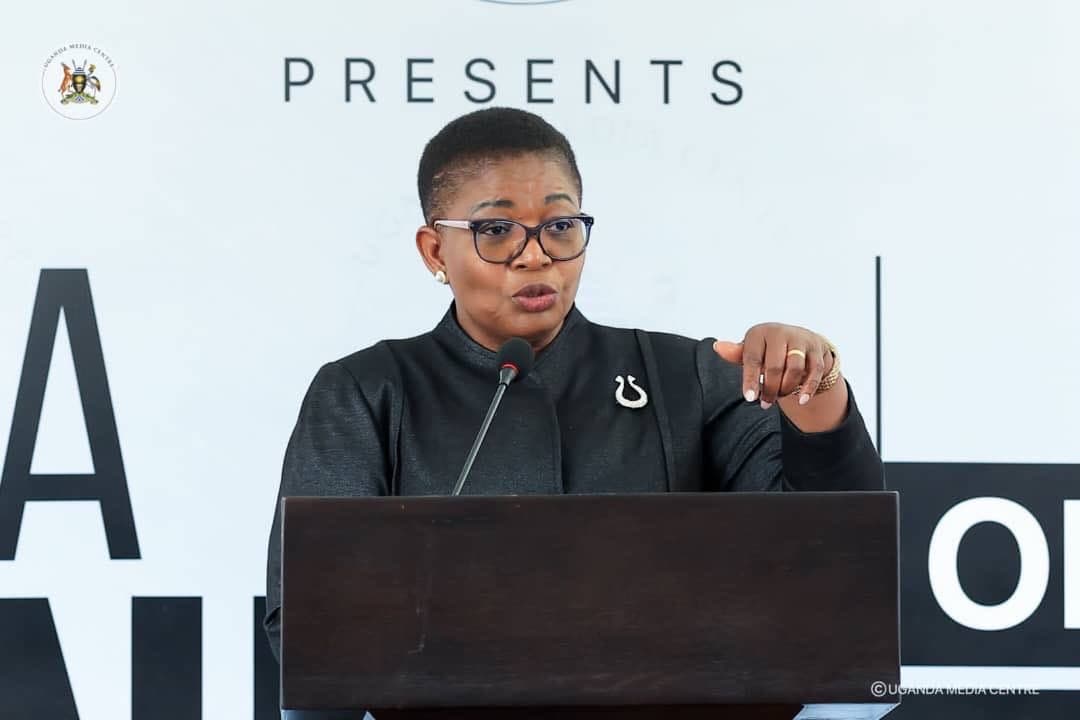
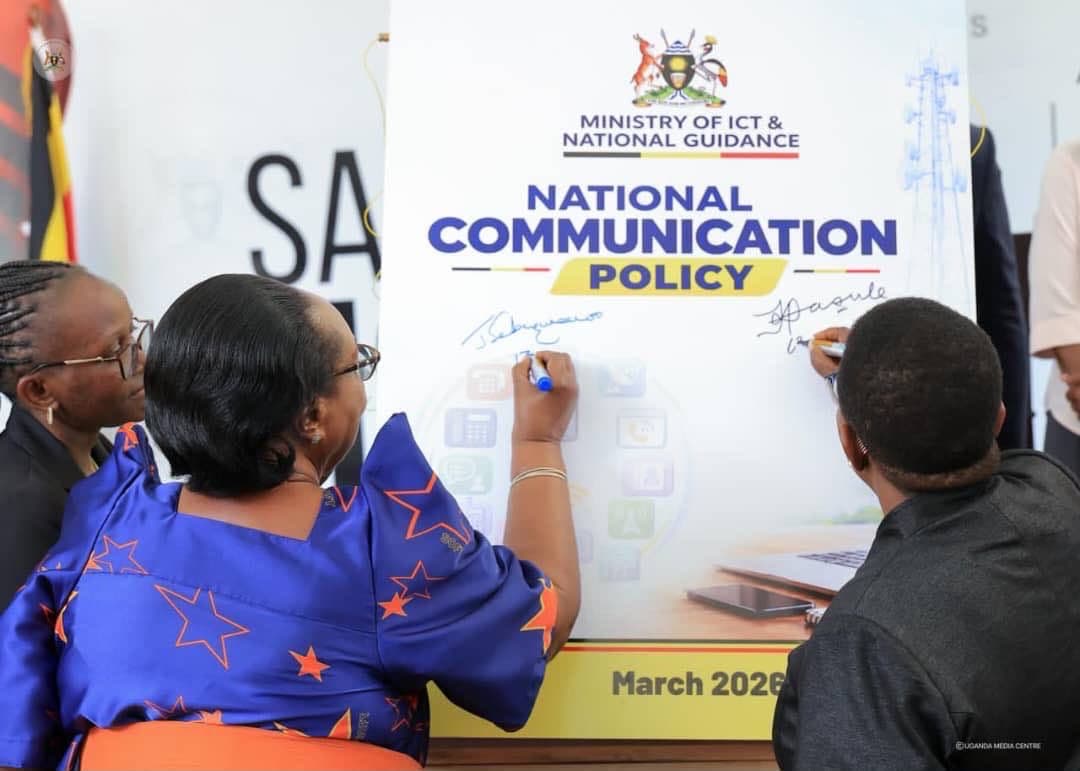
Officially unveiled at the Uganda Media Centre in Kampala by the Minister of ICT and National Guidance, Rt. Hon. Justine Kasule Lumumba, alongside the Minister of State for Information, Hon. Joyce Nabbosa Ssebugwawo, and Permanent Secretary Dr. Aminah Zawedde, the policy shifts the state's media posture from reactive propaganda to transparent, service-driven public accountability.
Here is how the new policy will improve government communication across the board:
Eliminating Siloed Messaging Through Common Standards
Historically, uncoordinated releases across Ministries, Departments, Agencies (MDAs), and Local Governments have created public confusion and opened doors for rumors.
The new policy sets standardized communication protocols that require all government entities to coordinate their outputs under a single coherent framework.
"For far too long, Government communication has sometimes happened in silos," Hon. Ssebugwawo pointed out. "One institution says one thing, another communicates differently, and citizens are left seeking clarity."
By enforcing shared communication guidelines, the state ensures that information released to the public remains consistent, verified, and aligned with national objectives across all administrative tiers.
Shifting From Passive Announcements to Public Accountability
Government public relations often concentrates exclusively on inaugurations and completed projects while evading complex queries about stalling initiatives.
The 2026 policy directly tackles this lack of transparency by obligating public officers to provide explanations when state projects fall behind schedule or fail to materialize.
"Communication is not merely about transmitting information," Rt. Hon. Lumumba stated. "It is about building understanding, facilitating participation, strengthening accountability and enabling citizens to engage meaningfully with the Government."
She underlined that public institutions must be just as transparent about delayed projects as they are about successes, ensuring citizens clearly understand why particular programmes remain stalled.
Establishing Structured Crisis Management and Combating Misinformation
In an era dominated by digital communication, unverified reports and disinformation can circulate within minutes, leaving state bodies trailing behind events.
The policy institutionalizes formal crisis communication mechanisms across every government agency.
Instead of waiting days for bureaucratic clearances to release an official rejoinder, communications teams will operate under accelerated procedures to counter false narratives, provide real-time updates during public emergencies, and preserve institutional credibility.
Turning Communication into a Two-Way Dialogue
One-way government press releases have historically left little room for public feedback, widening the divide between policy makers and ordinary citizens.
Under the new regulatory structure, communication is redefined as an interactive loop rather than a top-down broadcast.
"Effective communication is the bridge between what Government does and whether citizens know about it, benefit from it, and trust it," Hon. Ssebugwawo noted.
The policy integrates concrete public feedback channels across television, community radio, mobile platforms, and social media, guaranteeing that citizen grievances, inquiries, and reviews inform subsequent administrative decisions.
Elevating Communicators to Executive Planning and Resourcing
Communication officers in the public sector are often consulted only as an afterthought, called upon simply to distribute a press release long after critical policies have been drafted.
The 2026 framework reverses this practice by requiring Accounting Officers to integrate communication specialists directly into initial project formulation and departmental budgeting.
Permanent Secretary Dr. Aminah Zawedde directed that every ministry, department, and local district develop an independent communication strategy aligned directly with the overarching national policy.
"Did the information reach the intended audience? Could people understand the information that was delivered? Did they know what to do next after the information was given? Were their questions answered?" Dr. Zawedde emphasized, outlining the metrics against which state communications will now be judged.
Repairing Media Partnerships and Resolving Debt
Effective public communication requires healthy operational partnerships with mainstream newsrooms and media houses.
Addressing a long-standing grievance in the local press industry, Minister Lumumba pledged to work with the Treasury to settle outstanding arrears owed to private media service providers for government advertising.
"We are going to serve. We are going to improve. We are going to make sure everybody in this country gets to know what is happening in the Government," Minister Lumumba declared, signaling a renewed, collaborative working relationship with independent journalists.
The Road Ahead
With an operational plan already drafted by the Communication and National Guidance Task Force and the Cabinet Secretariat, the Ministry of ICT is deploying technical support teams to train government communicators nationwide.
If implemented faithfully, the National Communication Policy 2026 will transform state media desks into responsive, transparent hubs, restoring public trust and making governance directly accessible to the citizens it serves.