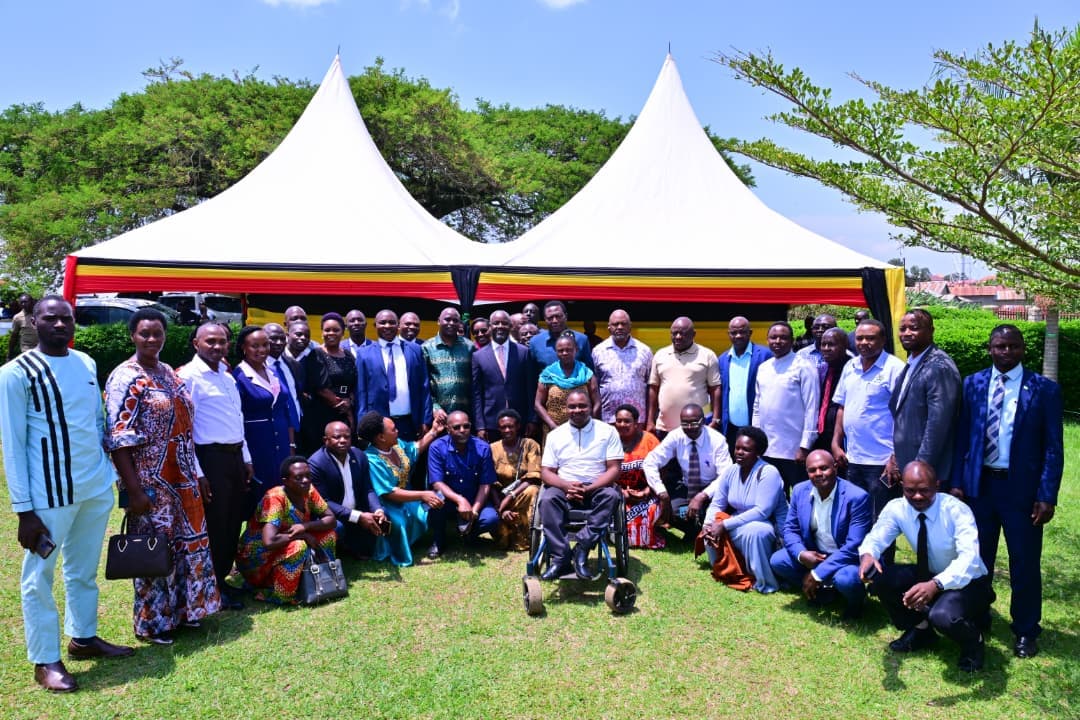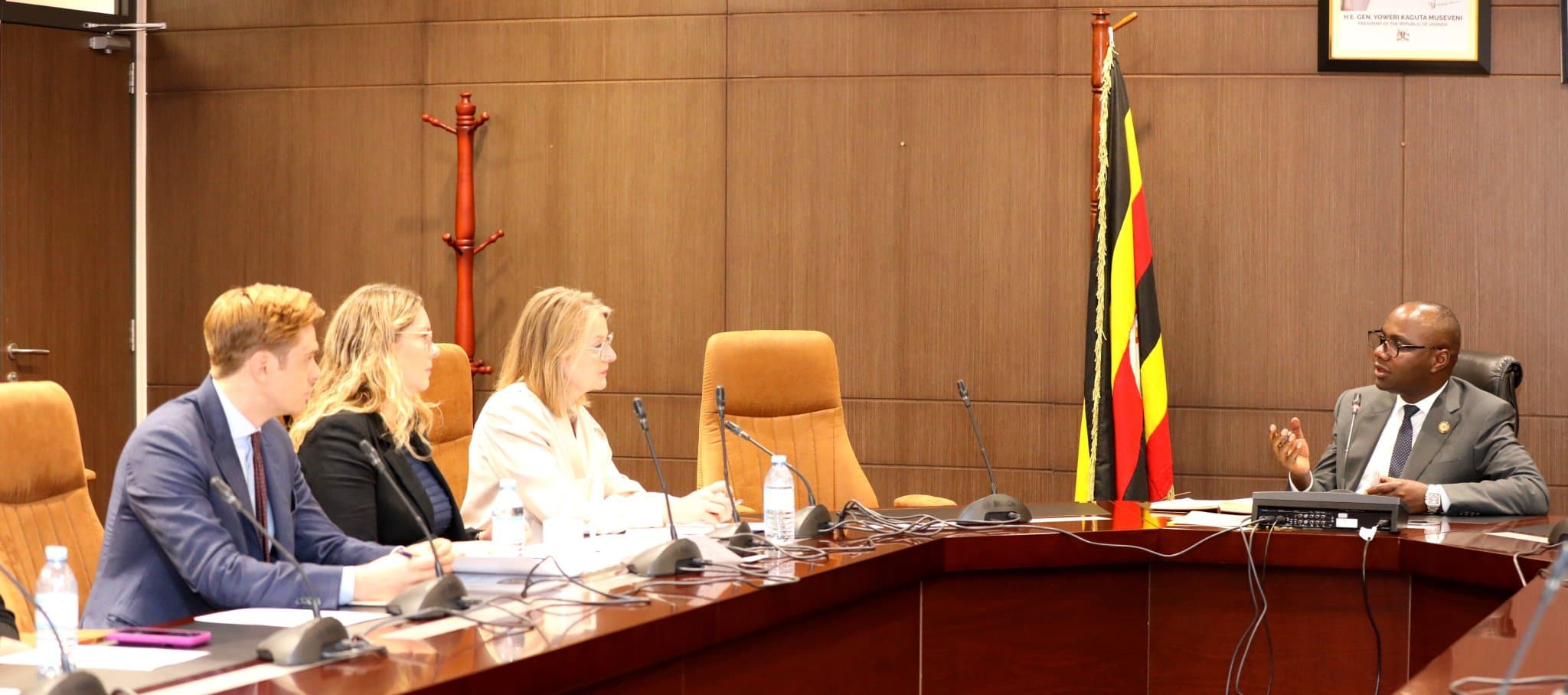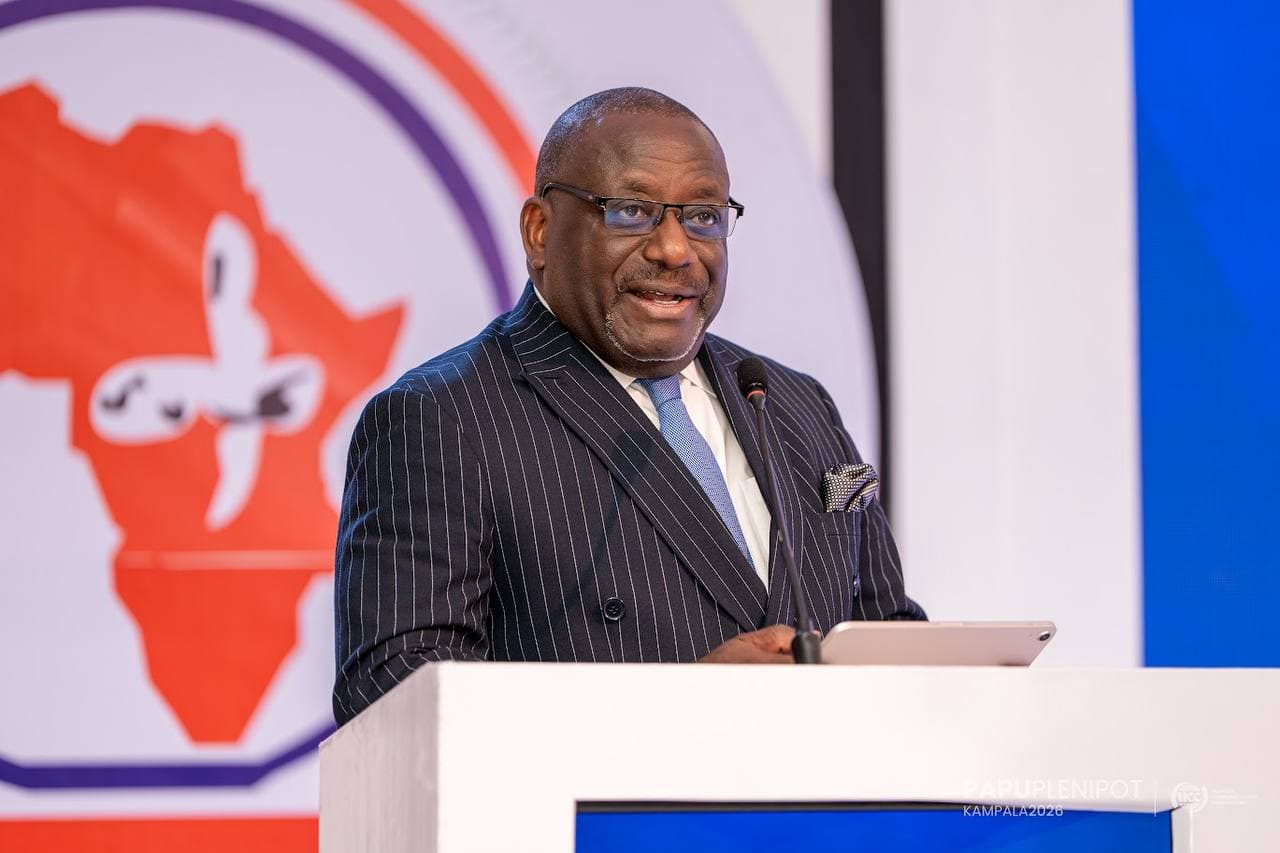

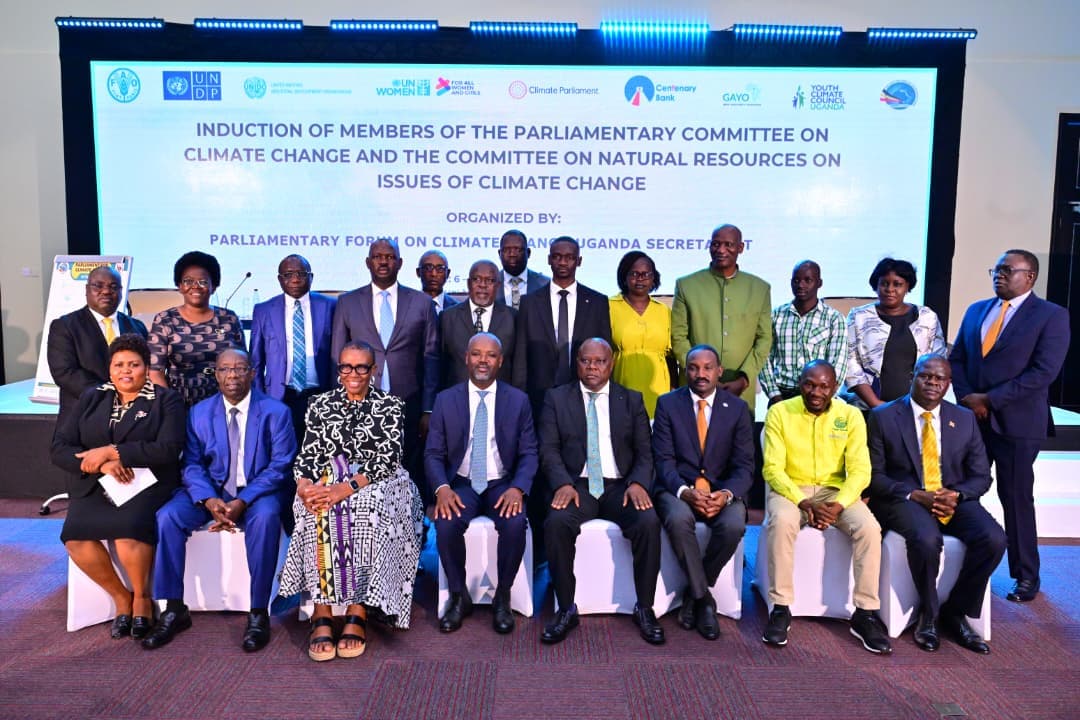
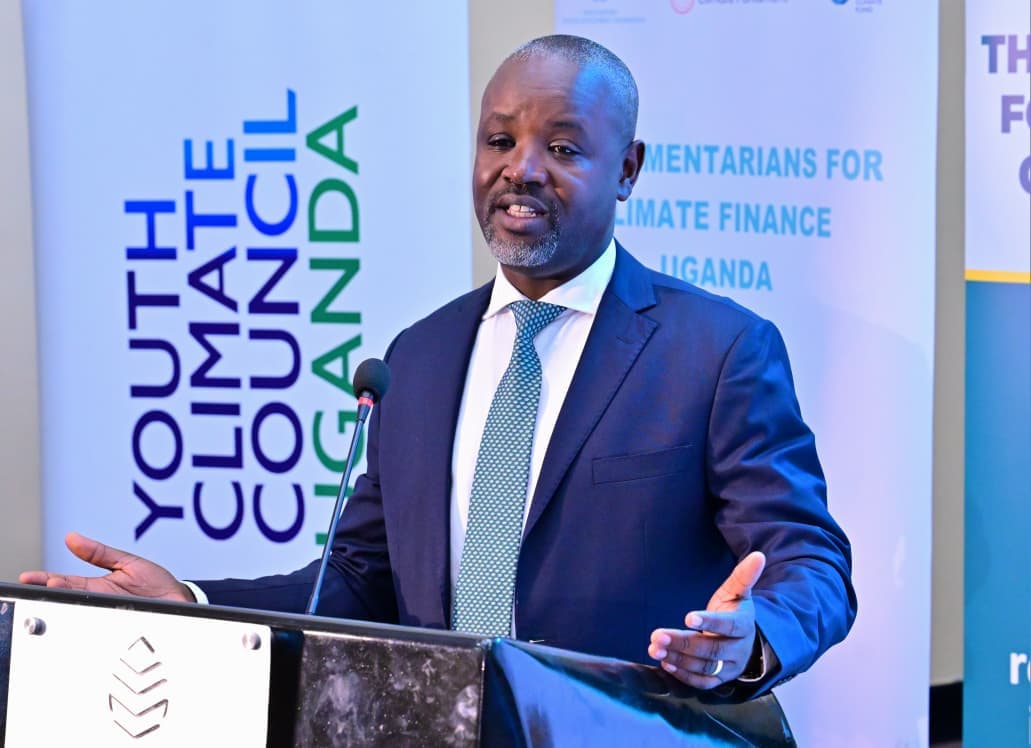
The Deputy Speaker of Parliament, Thomas Tayebwa, has called on lawmakers to aggressively utilize Parliament’s core legislative, appropriation, oversight, and representation mandates to transition the country from reactive disaster relief to proactive, long-term climate resilience.
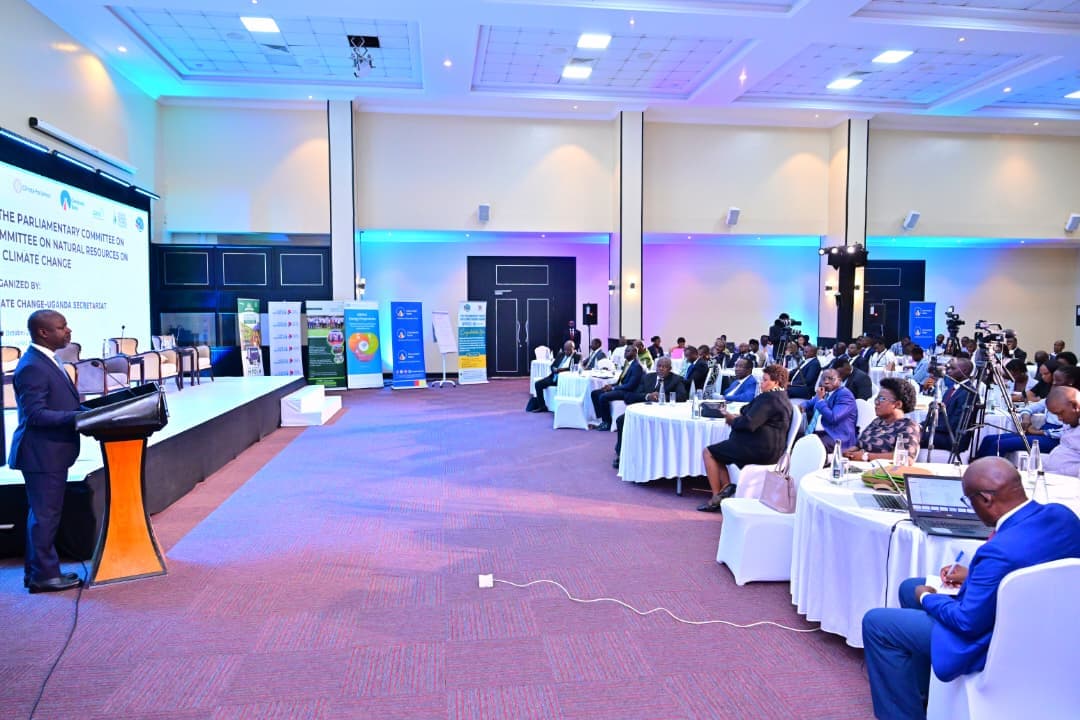
Opening a two-day joint induction seminar for members of the Parliamentary Committee on Climate Change and the Committee on Natural Resources at Mestil Hotel in Kampala on Tuesday, October 6, 2026, Tayebwa asserted that climate change must cease being treated as conference rhetoric.
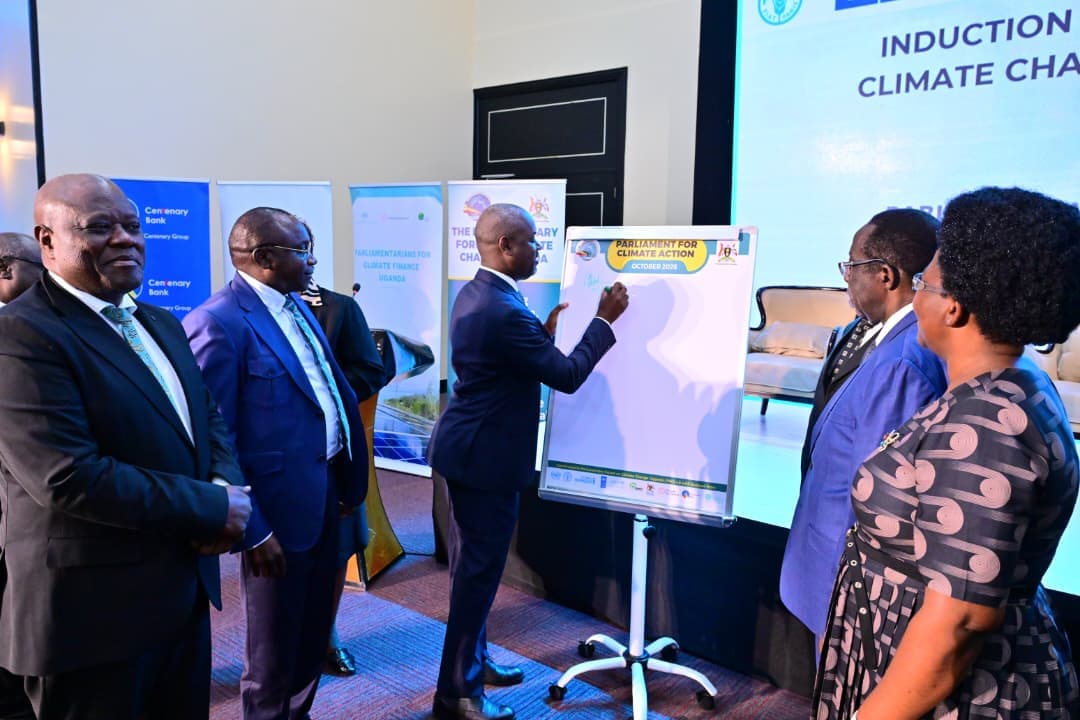
He noted that the legacy of the 12th Parliament will be determined by its ability to enact durable safeguards that protect future generations and shield national infrastructure investments from extreme weather disruptions.
“History will judge the 12th Parliament not by how many sittings we had, or how many conferences we attended, but on how we prevented disasters from happening again,” Tayebwa said.
The Deputy Speaker questioned the fiscal logic of budgeting huge sums every financial year for post-disaster handouts, such as tents, tarpaulins, blankets, and relief maize flour, while neglecting engineered, permanent flood-mitigation investments.
He cited the recurrent flash floods along the River Nyamwamba corridor in Kasese District, where riverbanks burst repeatedly and displace entire communities, as well as the rising lake waters in Ntoroko District that have submerged hundreds of acres of family farmland.
Tayebwa emphasized that climate adaptation must directly anchor Uganda’s agricultural transformation and poverty alleviation frameworks, warning that erratic weather patterns threaten to wipe out household income gains if left unaddressed.
He proposed that Parliament tie the disbursement of Parish Development Model (PDM) funds to mandatory climate-smart agricultural practices, including the adoption of certified drought-resistant seed varieties, comprehensive agroforestry, soil conservation methods, and well-equipped extension workers capable of teaching sustainable land stewardship.
Addressing public infrastructure, Tayebwa urged legislators to champion water harvesting systems across government secondary schools, referral hospitals, and public facilities, while incentivizing public institutions to generate their own solar power and feed surplus electricity back into the national grid.
On environmental enforcement, the Deputy Speaker directed parliamentary committees to hold the National Forestry Authority (NFA) and National Environment Management Authority (NEMA) strictly accountable. He noted that Uganda continues to lose approximately 80,000 hectares of forest cover annually, describing the rapid deforestation rate as a national emergency.
Tayebwa concluded by urging Parliament to allocate adequate capital funding to the Uganda National Meteorological Authority (UNMA) to procure modern radar and projection equipment, stressing that localized, timely weather advisories must reach smallholder farmers on their mobile phones in local languages ahead of seasonal planting.