Uganda has shared its oil and gas quality assurance model with Tanzania to help the country build a robust quality control framework for its upstream petroleum operations.
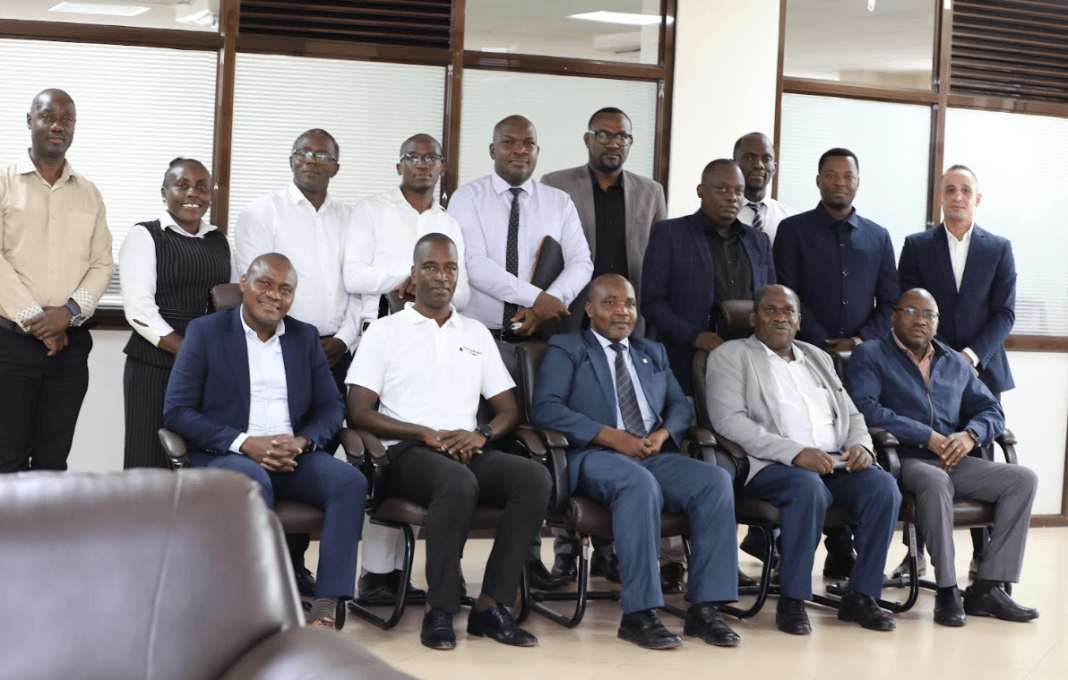
The Petroleum Authority of Uganda (PAU) and the Uganda National Bureau of Standards (UNBS) hosted a Tanzanian benchmarking delegation in Kampala.
The Tanzanian team comprises officials from the Tanzania Bureau of Standards (TBS) and the Petroleum Upstream Regulatory Authority (PURA).
The bilateral engagement focuses on Uganda's Pre-Export Verification of Conformity (PVoC) program, which verifies equipment and services against set standards before deployment in petroleum operations.
Mr. Joel Tumwebaze, Manager of Health and Safety at PAU, emphasized Uganda's proactive safety protocols.
“Uganda has built a rigorous system to ensure the equipment and services entering the petroleum sector meet the required standards,” Mr. Joel Tumwebaze said. “We are glad to share that experience as Tanzania develops its own.”
The PVoC framework protects operational safety, safeguards the environment, and strengthens industry credibility as Uganda advances toward oil production.
Mr. Deus Mubangizi, Deputy Director of Compliance at UNBS, highlighted the preventive nature of the quality assurance system.
“The programme gives assurance that goods and services used in the sector conform to the required standards before they are deployed,” Mr. Deus Mubangizi noted. “This engagement allows us to share the systems we have put in place.”
Tanzanian officials commended Uganda’s regulatory infrastructure and confirmed plans to adapt the lessons to their national framework.
“Uganda has developed a practical model for verifying the quality of equipment and services entering the petroleum sector,” Eng. Gervas Kaisi, Imports and Exports Control Manager at TBS, said. “The lessons from this engagement will help shape how Tanzania builds its own quality assurance mechanism.”
Mr. Charles Nyangi, Head of Local Content and Stakeholders Engagement at PURA, added that strong quality control remains essential for safe exploration and production operations.
The study tour includes field inspections at the Tilenga project in Buliisa and Nwoya districts, the Kingfisher field in Kikuube District, and the East African Crude Oil Pipeline (EACOP) starting point in Kabaale, Hoima District.
The joint initiative reflects deepening economic cooperation between the two East African neighbors as they work to harmonize regional energy standards.