Kampala residents are set to receive more health services within their communities as the government prepares to deploy trained health workers across the city.
Kampala Capital City Authority (KCCA) and the Ministry of Health have started preparations to introduce the Community Health Extension Workers (CHEWs) programme in the capital.
The programme seeks to strengthen primary healthcare by focusing on disease prevention, early detection and health promotion.
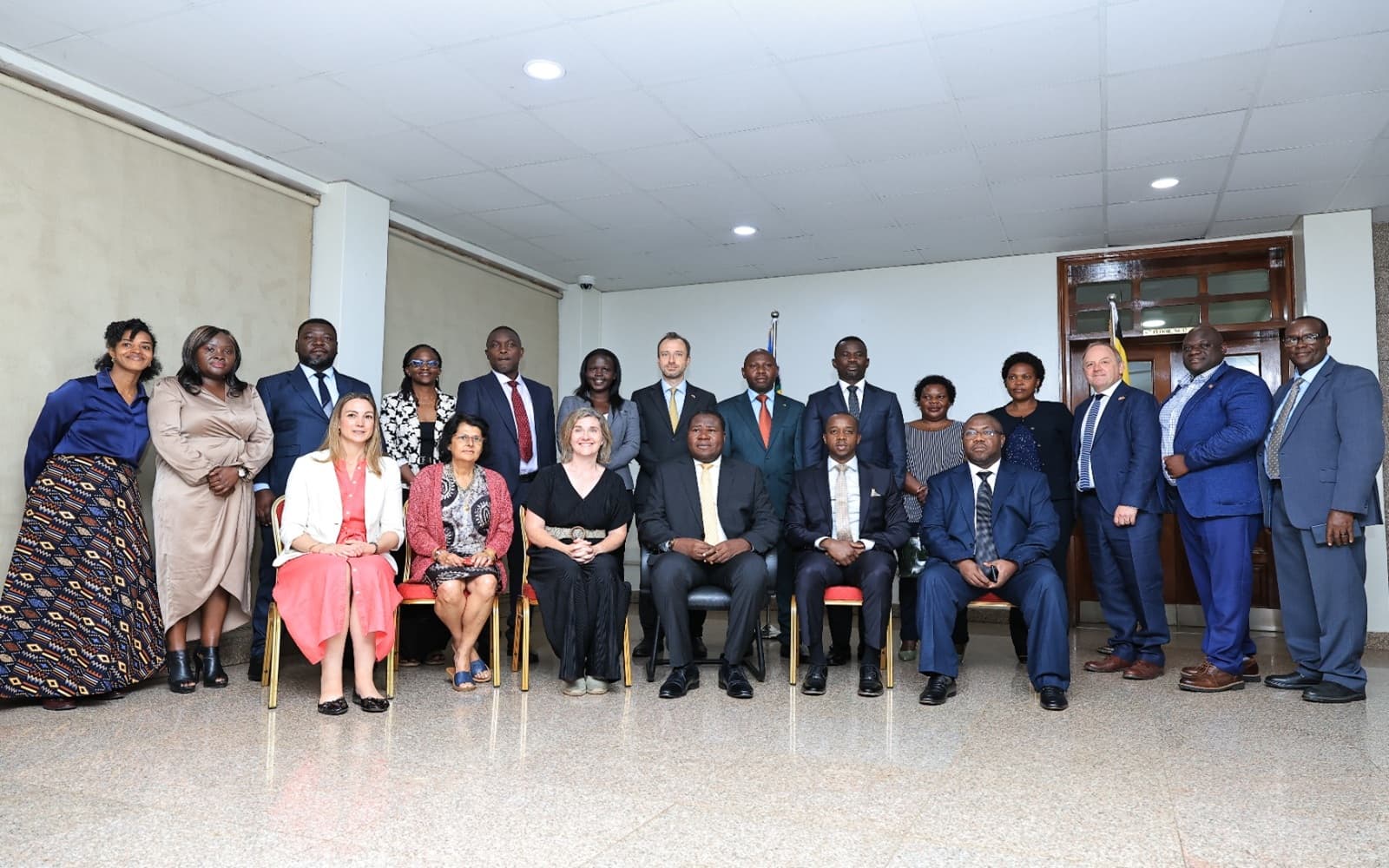
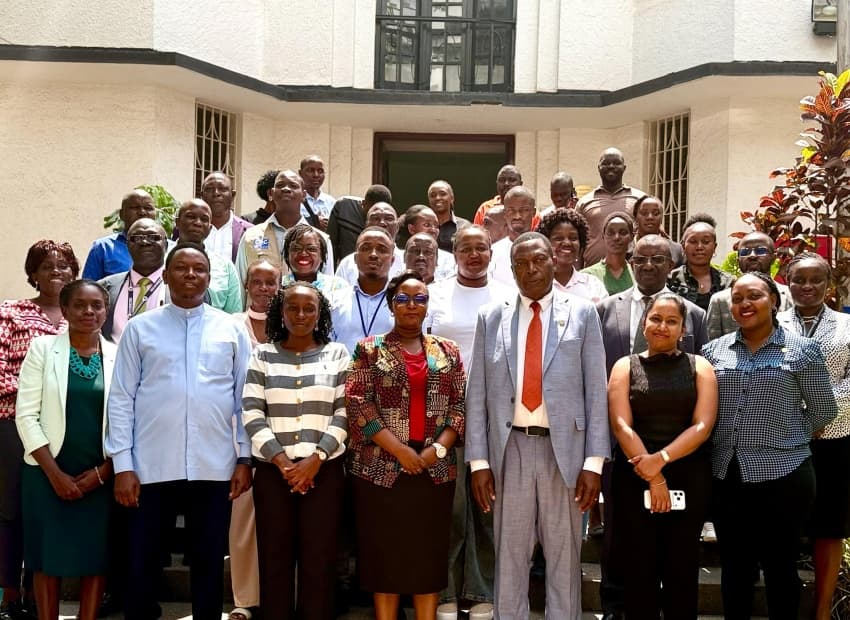
Ministry of Health officials met KCCA political, administrative and technical leaders at City Hall on Friday to discuss the rollout.
The meeting brought together Director General of Health Services Dr Charles Olaro, Commissioner for Health Promotion and Education Dr Richard Kabanda and KCCA Director of Public Health and Environment Dr Sarah Zalwango.
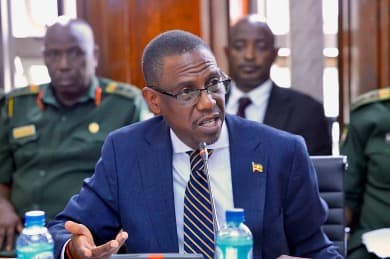
Dr Olaro said Uganda must strengthen healthcare at community level and reduce dependence on hospitals.
“Primary healthcare is the foundation of our health system. These are the first people who interact with communities at the village level,” Olaro said.
He said the government wants to judge the programme by its ability to prevent disease and reduce household spending on treatment.
“We want to measure our success not by the number of people who have gone to hospital, but by the people we have prevented from falling sick and those who have saved money because they did not need healthcare services,” he said.
Olaro said cooperation between the ministry, KCCA and residents would determine the success of the programme.
CHEWs are trained and paid frontline health workers who link households to health facilities.
Their duties include promoting healthy practices, preventing disease, identifying possible public health threats and referring patients to health facilities.
The programme expands the role played by Village Health Teams (VHTs) by introducing a formal group of trained community health workers.
The Ministry of Health has already introduced CHEWs in districts including Lira, Mayuge, Jinja and Mbale with support from development partners.
Under the Kampala programme, authorities will select two CHEWs from each parish. They will undergo six months of training before deployment.
The workers will operate alongside VHTs and health facilities. They will also support government health programmes and help residents access medical services when needed.
Applicants must have completed Senior Four and live in the communities they intend to serve. Local residents must also accept them.
New applicants must be aged between 22 and 35 years. Active VHT members and other trained community health workers may qualify up to the age of 40.
Applicants must also be able to read and write English and speak the local language used in their communities.
Dr Zalwango said the partnership with the Ministry of Health would help tailor the programme to Kampala's urban health challenges.
The initiative forms part of the government's push to shift more attention towards prevention, early intervention and community health education.