
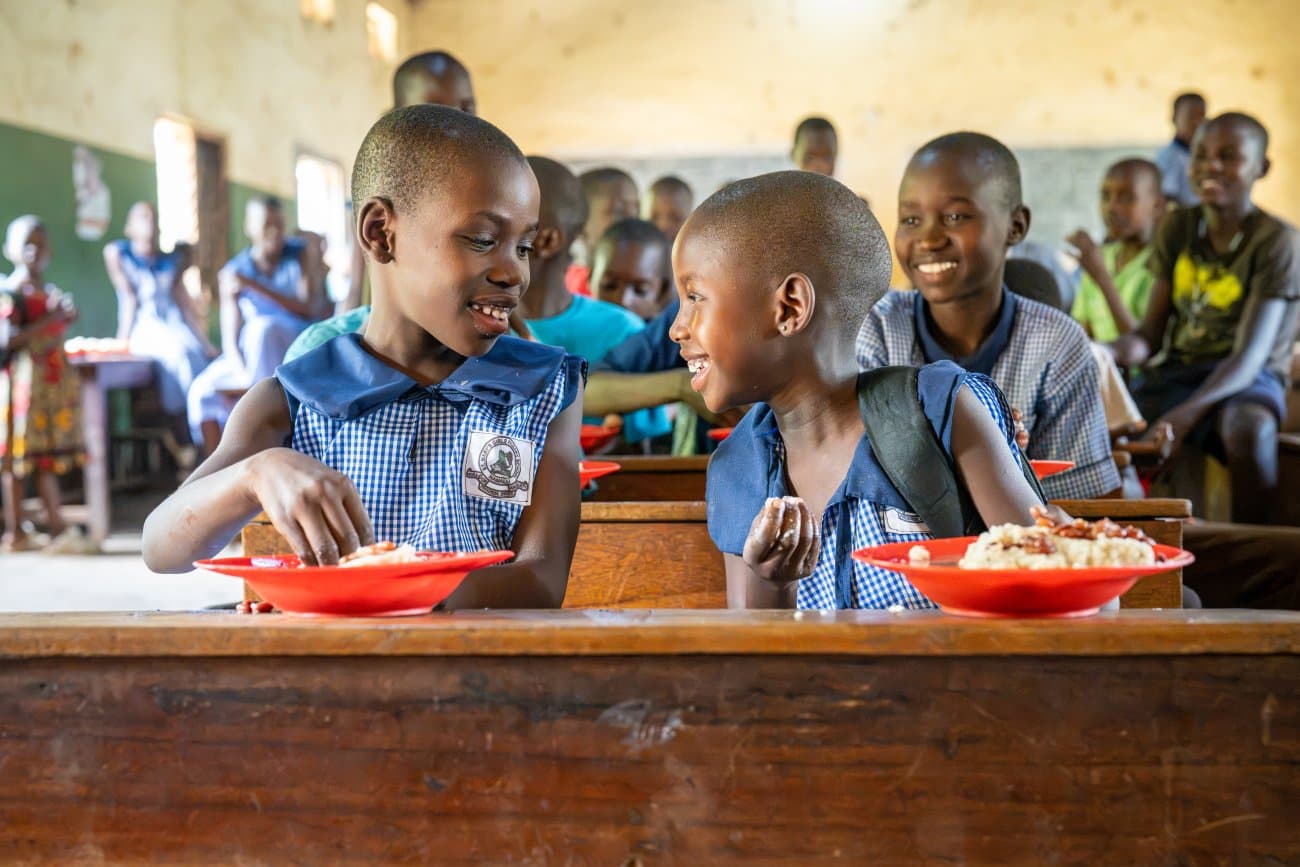
Members of Parliament have urged the Government of Uganda to urgently introduce free school meals across the Karamoja sub-region to prevent mass school dropouts as prolonged drought and acute food insecurity force learners to walk long distances on empty stomachs.
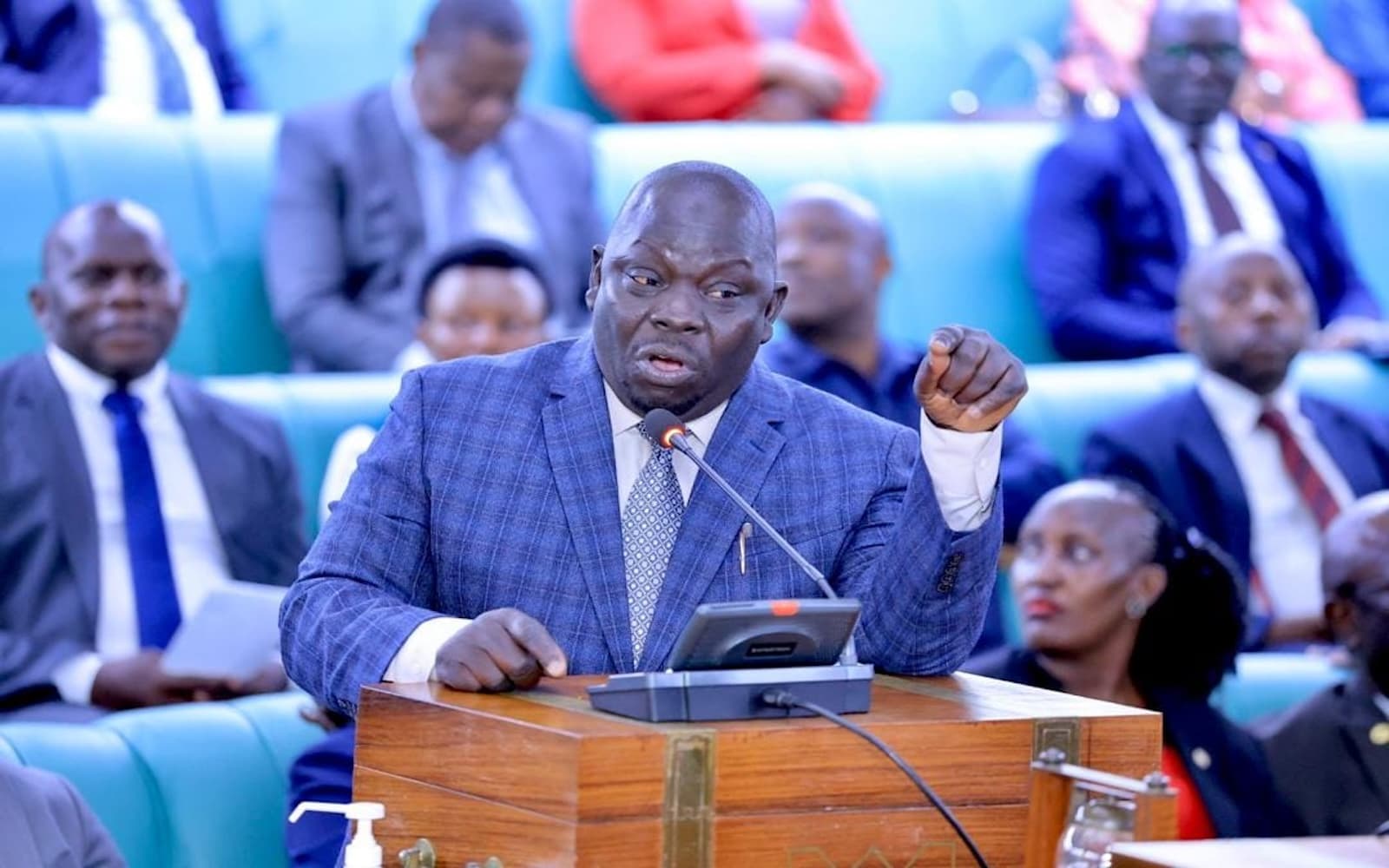
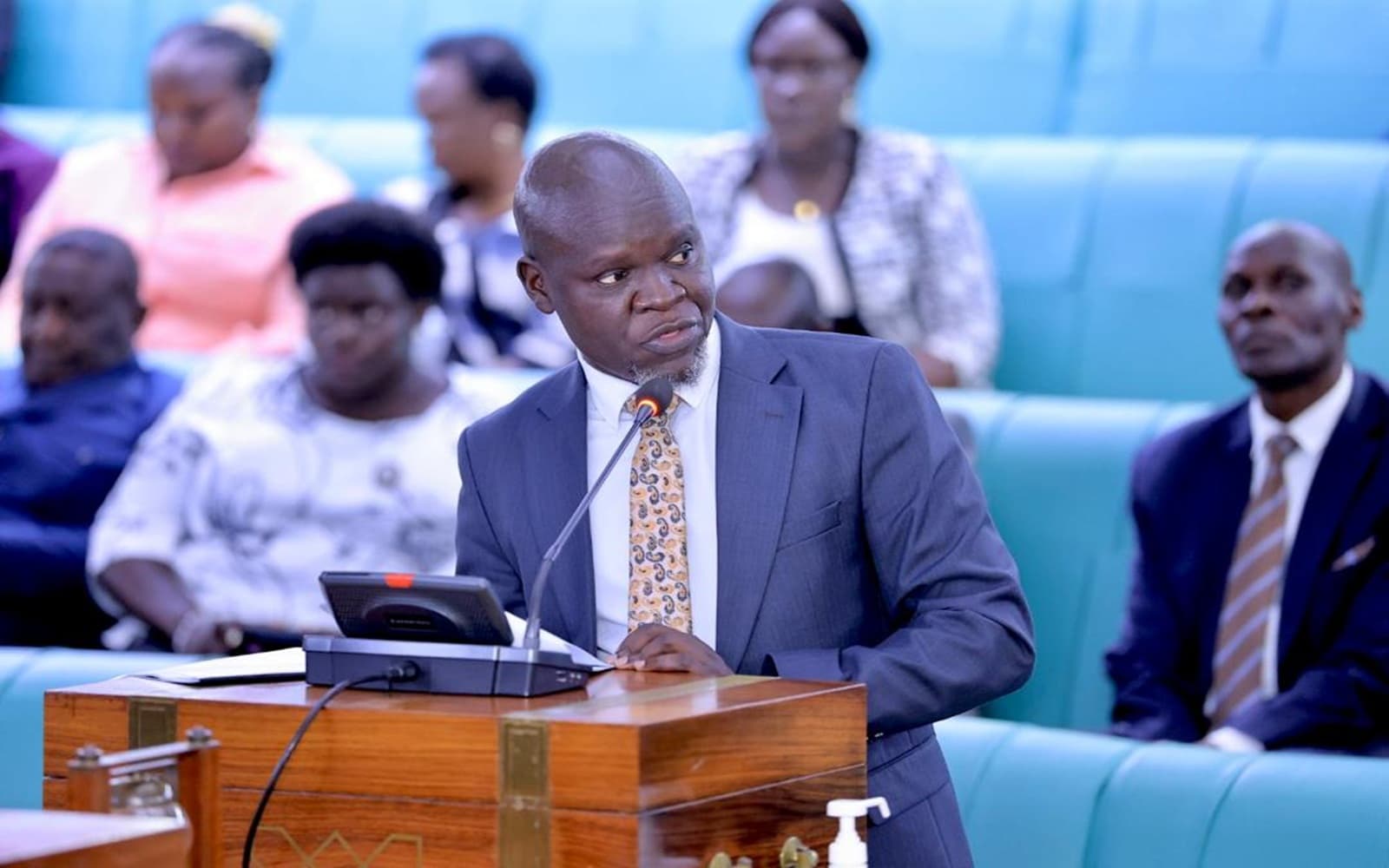
Presenting the report of the Committee on Presidential Affairs on famine and food insecurity in Karamoja during plenary on Friday, November 20, 2026, chaired by Deputy Speaker Rt. Hon. Thomas Tayebwa, Committee Chairperson Hon. Martin Mapenduzi emphasized that institutional feeding is critical to retaining students, particularly at secondary school level where enrollment remains low and meals are not provided.
“Feeding a child in school is not charity; it is the surest way to keep children in Karamoja in school and to end the cycle in which today’s hungry pupils become tomorrow’s relief recipients,” Mapenduzi stated. The report further highlighted severe educational infrastructure gaps that compound learner fatigue, noting that students trek vast distances because numerous communities lack schools, citing Kaabong District, which has 53 parishes without a single school.
The committee observed that recent emergency food relief distributed by the Office of the Prime Minister (OPM) was merely “a drop in the ocean,” noting that flawed household data left many vulnerable families excluded. Under the recent intervention, OPM distributed 20 kilograms of posho and 10 kilograms of beans to each of the 313,987 registered households across Karamoja’s nine districts, a ration local leaders said could sustain a family of six for barely two weeks. MPs recommended that OPM collaborate with district disaster committees to register omitted households and sustain food relief until the next expected harvest in June 2027.
Legislators also questioned why Shs 5 billion out of the Shs 45 billion allocated for relief remained unspent amid widespread hunger, while exposing massive failures in multi-billion-shilling water infrastructure projects. Mapenduzi revealed that Shs 8.7 billion spent on 106 valley tanks and Shs 45 billion spent on five dams yielded zero functional facilities, with several structures found to be completely non-existent. The committee recommended a comprehensive value-for-money audit of the dams by the end of the financial year alongside funding to desilt existing reservoirs ahead of the 2027 rains.
However, Shadow Minister for the Presidency Hon. Harriet Nakwede tabled a minority report dissenting from the committee’s view that constructing additional dams is the core solution to Karamoja's recurring food crisis. She demanded a sweeping forensic value-for-money and socio-economic audit of all past government interventions in the sub-region before any new funds are released under the upcoming Karamoja development framework.
“The issue in Karamoja is not only the dams, but it is with all programmes implemented. We want a forensic value for money audit and a socio-economic audit before funds for the new Karamoja development framework are released,” Nakwede insisted.