
Legislators have petitioned the Government to lift restrictive wage and recruitment ceilings across local governments to resolve an acute staffing crisis in public primary schools, which has left a national deficit of more than 103,000 teachers.
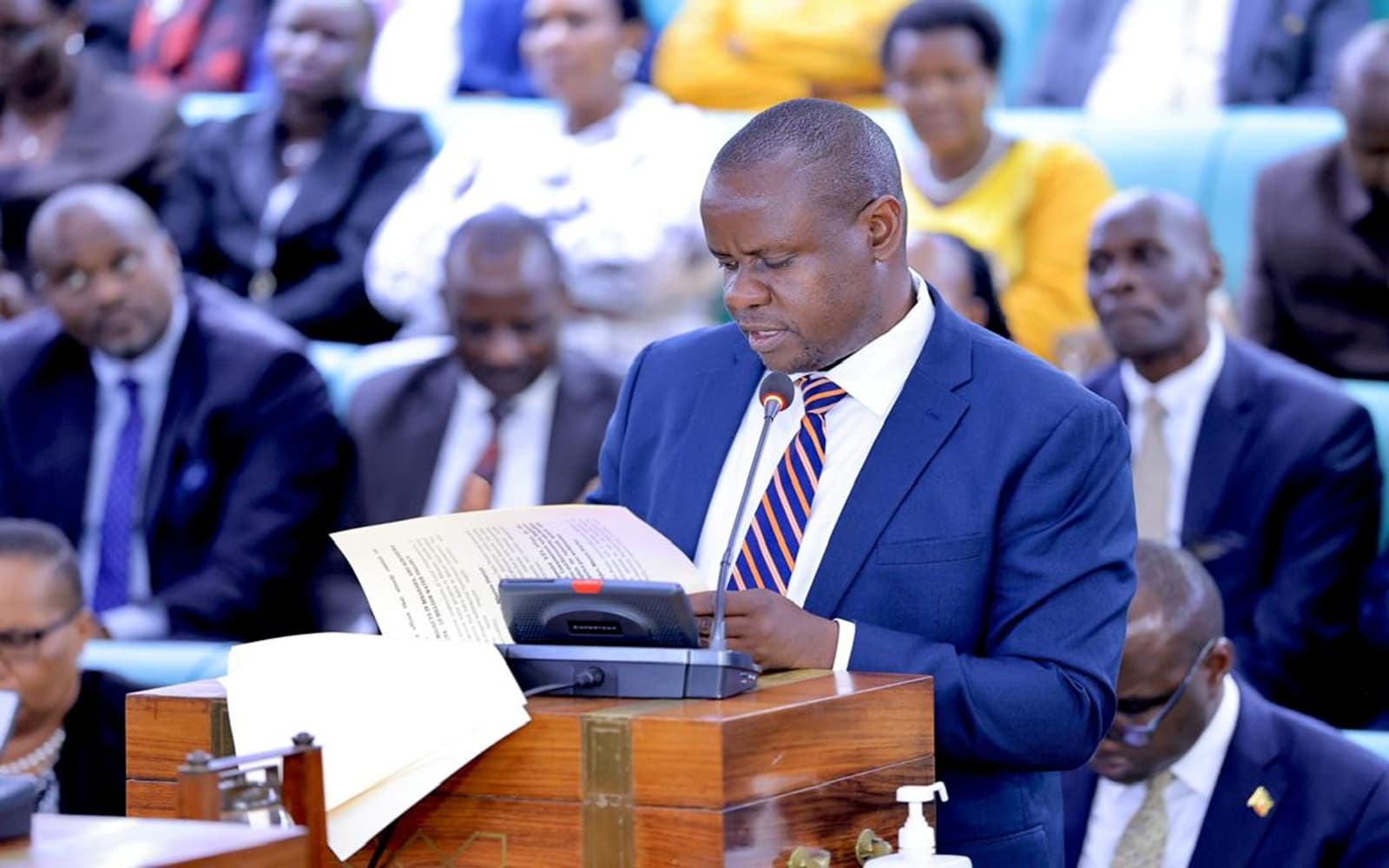
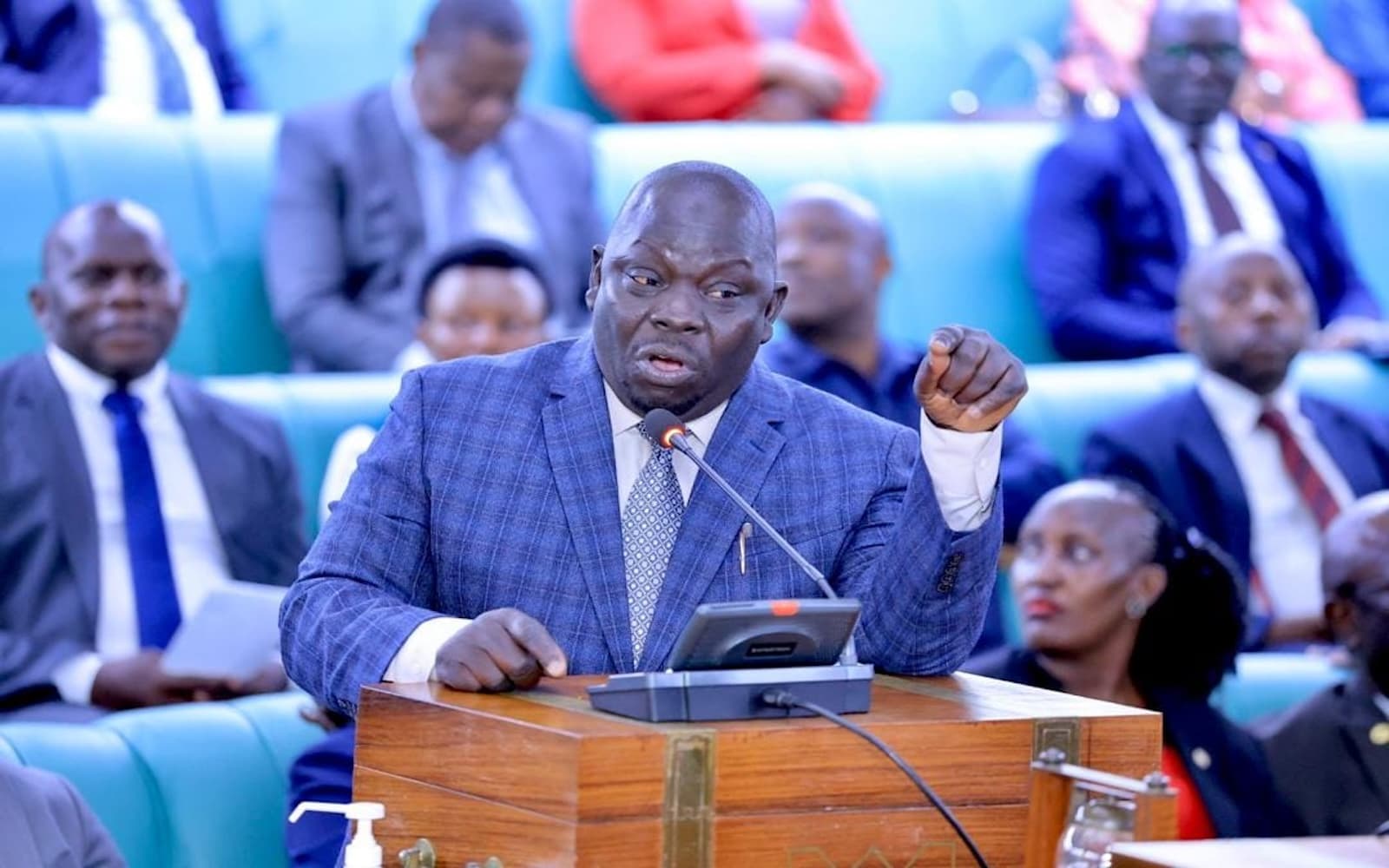
Moving a motion during plenary on Wednesday, November 18, 2026, Arua Central Division MP Hon. Khemis Muzaid urged the Ministries of Education and Sports, Public Service, and Finance to review staffing caps and release adequate wage allocations to fill existing vacancies. He noted that local governments remain barred from hiring qualified educators despite severe classroom shortages.
Muzaid pointed out that the implementation of the National Teacher Policy, which phased out Grade III certificates and Grade V diplomas, closed Primary Teachers’ Colleges (PTCs), and instituted a mandatory bachelor's degree under the Uganda National Institute for Teacher Education (UNITE), has sharply curtailed annual teacher output. Citing a 2024 Ministry of Education report, he observed that the national pupil-teacher ratio in public primary schools stands at roughly 60:1, with 37 districts recording ratios of at least 80:1 and several exceeding 100:1.
“The persistent shortage of primary school teachers has resulted in overcrowded classrooms, excessive workloads, teacher fatigue and absenteeism. This has forced some schools to rely on untrained volunteers and overstretched teachers to handle multiple classes and subjects,” Muzaid said, proposing a transitional recruitment framework that allows qualified Grade III and Grade V teachers to join public service while progressively upgrading their degrees.
Seconding the motion, Kigulu County South MP Hon. Andrew Kaluya (NUP) decried high teacher attrition driven by low pay, resignations, and early retirements, citing National Planning Authority data showing that 690 teachers took early retirement in the 2022/2023 financial year alone. Bulambuli District Woman MP Hon. Sarah Wekomba highlighted that poor road networks, lack of electricity, and the absence of staff housing or hard-to-reach allowances continue to discourage teachers from taking up rural deployments.
Aringa North County MP Hon. Musa Karim and Bugangaizi East County MP Hon. Onesimus Twinamasiko called for increased budgetary prioritization for teacher recruitment to match surging primary school enrollment. Kabale District Woman MP Hon. Enid Origumisiriza urged the government to decentralize hiring authority, allowing districts to recruit educators based on actual staffing needs backed by sufficient wage budgets.
Responding to the debate, Minister of State for Sports Hon. Peter Ogwang acknowledged the staffing crisis, revealing that the ministry's Shs 69 billion request to recruit critical staff for the competence-based curriculum between 2023 and 2025 went unfunded, resulting in a shortfall of 103,453 teachers.
Ogwang noted that while the 2026/27 National Budget Framework Paper recognizes teacher recruitment as a key human capital priority, it neither specifies recruitment numbers nor ring-fences dedicated funds for the exercise. He reiterated that under the National Teachers Act, 2026 and the National Teacher Policy, 2026, a bachelor's degree is now mandatory to effectively deliver the competence-based curriculum, adding that 23 existing PTCs will collaborate with UNITE to continue training educators.