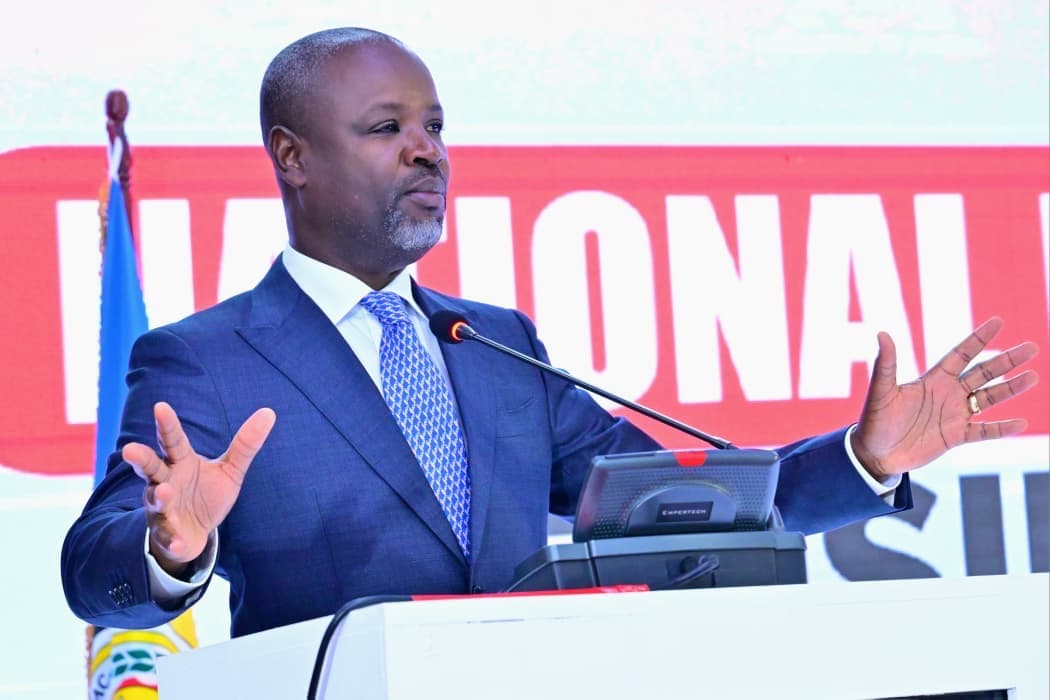
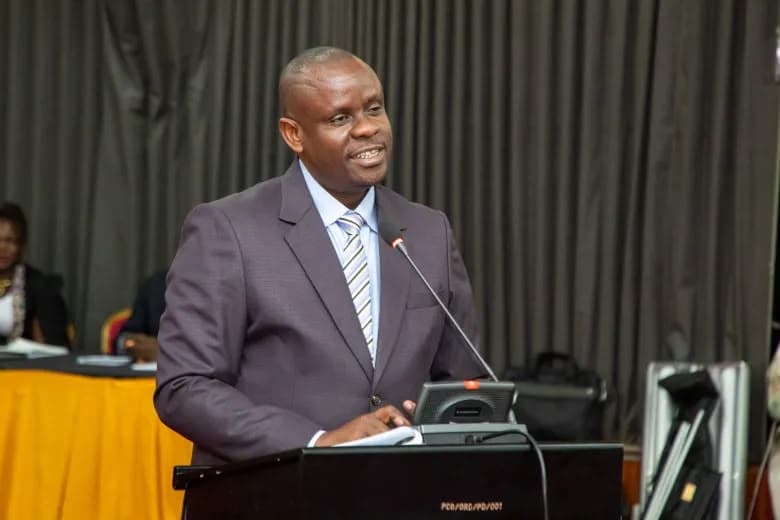
Dignified, hygienic, and accessible roadside food hubs will be established across all major national transport routes, Local Government Minister Hon. Balaam Barugahara Ateenyi announced following an emergency intervention to protect the livelihoods of informal traders.
Minister Balaam unveiled a targeted structural plan designed specifically for the roadside meat industry, confirming that new trading areas will be mapped exclusively on highway roadsides because muchomo (roasted meat) sellers cannot survive inside standard municipal markets.
The structures will focus on high-visibility transit spots, allowing travelers to safely pull over, grab a quick bite, and immediately proceed with their journeys.
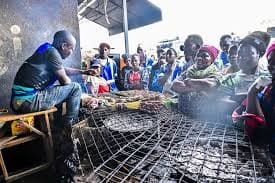
To ensure clean food preparation and consumer safety, the Ministry of Local Government will install robust hygiene and sanitation facilities at every designated site, a move that will directly secure and boost vendor daily revenue by keeping them right in front of their target highway customer base.
These policy promises were triggered after over 200 muchomo vendors stormed the private home of Prime Minister Robinah Nabbanja. The traders expressed concern over evictions that had threatened their daily income. The standoff was defused following an urgent phone call between Prime Minister Nabbanja and Minister Balaam, who stepped in to address the vendors' grievances directly.
The Ministry of Local Government is now mapping busy highway transit points to construct these drive-in food hubs, targeting traditional, high-traffic stop-overs like Mubende along the Fort Portal highway, Lukaya along the Masaka highway, Namawojjolo along the Jinja highway, and Migyera along the Gulu highway—to balance formal trade regulations with the survival of Uganda's vibrant roadside economy.
The Prime Minister assured the vendors that Minister Balaam would effectively address their concerns.