Uganda has temporarily closed its international border with the Democratic Republic of Congo (DRC) with immediate effect to block the cross-border transmission of an escalating Ebola outbreak.
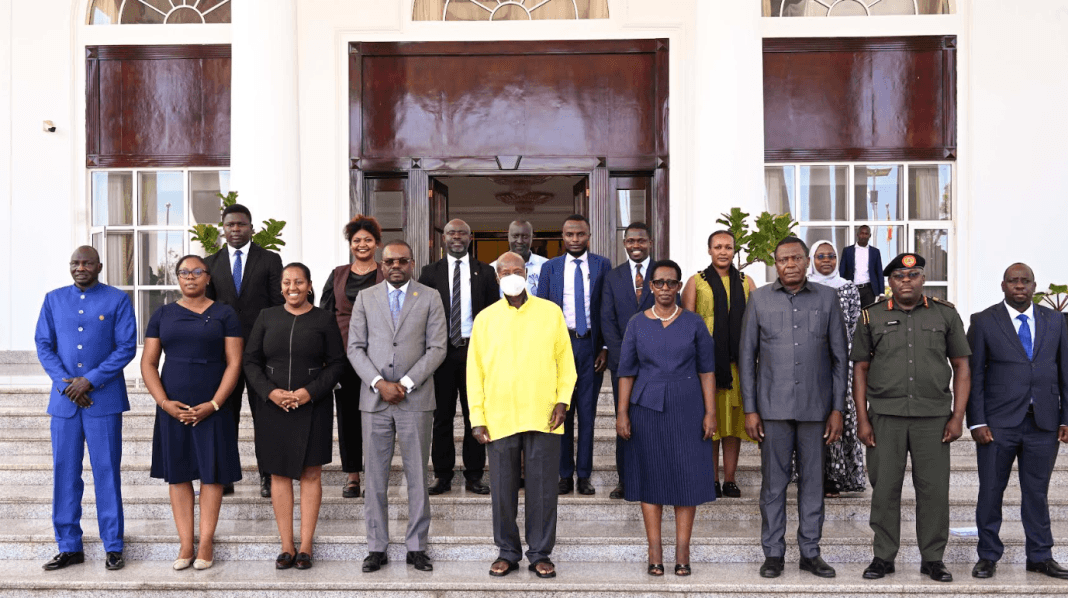
The National Task Force on Ebola Response finalized the emergency directive during an urgent briefing on Wednesday. The Vice President of Uganda chairs the high-level health security committee. Officials enacted the sweeping transit ban following an aggressive spike in viral infections inside the DRC and severe tracking challenges among cross-border merchants. The containment measure aims to protect local communities from the high risk of importing additional viral chains into the country.
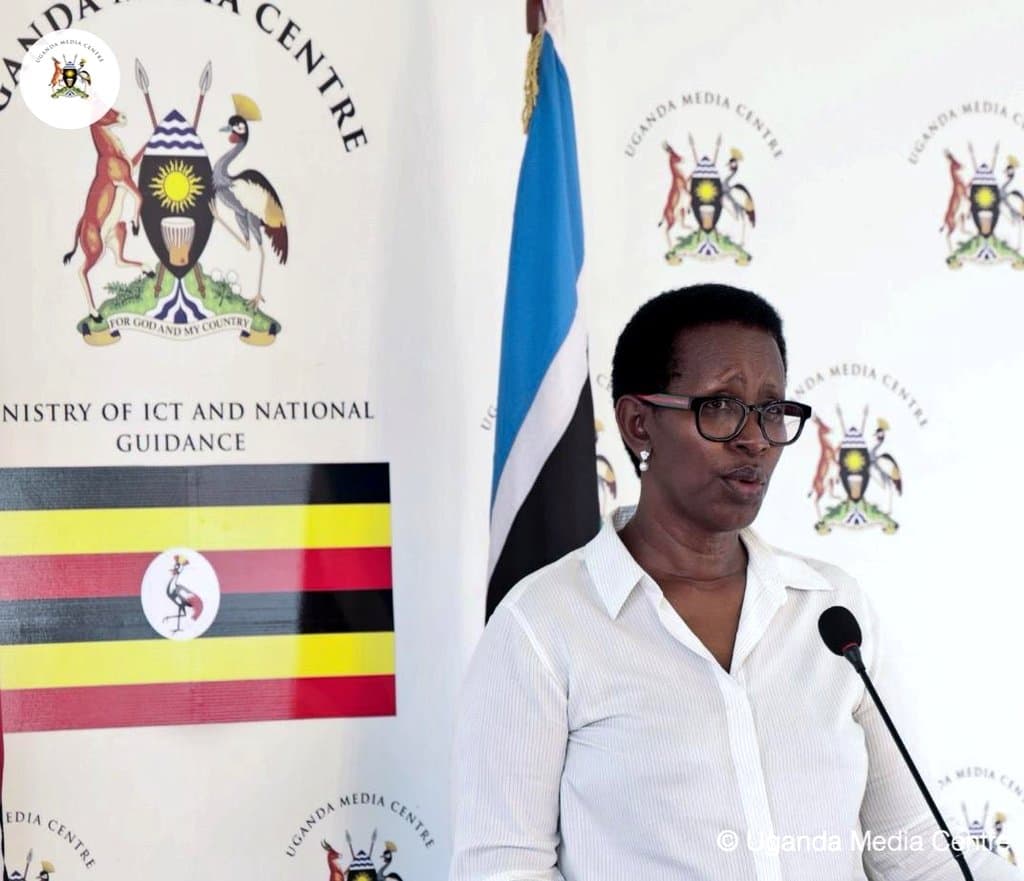
The Permanent Secretary of the Ministry of Health, Dr. Diana Atwine, verified that the state is dealing specifically with the Bundibugyo Ebola strain. She noted that the state requires absolute public cooperation to stabilize the border transmission zones.
“The Government of Uganda wishes to update the public and stakeholders on the ongoing outbreak of Ebola Virus Disease (EVD) caused by the Bundibugyo strain,” Dr. Diana Atwine stated.
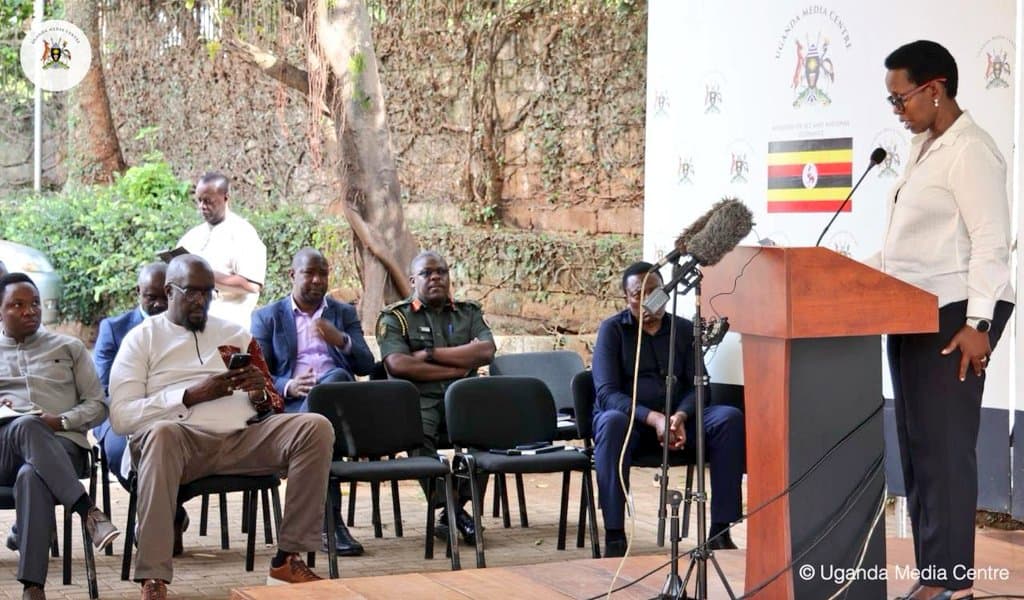
The state directive halts all routine human traffic across the western boundary lines. However, the government has created narrow entry exemptions for specific critical sectors. Authorized Ebola response teams, humanitarian aid workers, security personnel, and cargo trucks carrying food can still cross the border. The Immigration Authority will enforce these access limits under severe regulatory oversight.
“Uganda is temporarily closing the border with the DRC with immediate effect,” the National Task Force resolved.
All exempted travelers entering Uganda must submit to intensive medical screening at designated boundary checkpoints. The Ministry of Health mandates that these entrants complete detailed locator forms to enable efficient electronic contact tracing. Furthermore, any individual arriving from the DRC must undergo mandatory self-isolation for 21 days. District medical surveillance teams will directly supervise these isolated persons to monitor for potential incubation symptoms.
The emergency guidelines heavily protect the regional education sector to avoid academic disruptions. Schools located in border districts will remain fully open but must enforce mandatory handwashing and temperature checks. Headteachers must isolate any student who recently returned from the DRC to record their vitals daily for three weeks. Border districts must also designate at least one specialized health facility to quarantine any learner who develops a sudden fever.
The executive order places heavy enforcement responsibilities on Resident District Commissioners (RDCs) and Resident City Commissioners (RCCs). These administrators must personally supervise local compliance with all active Ministry of Health protocols. Additionally, the state has ordered all national media houses to dedicate 30 minutes of prime-time programming daily to public health education. This compulsory media sensitization will focus on teaching citizens how to identify, detect, and report suspected Ebola infections immediately.