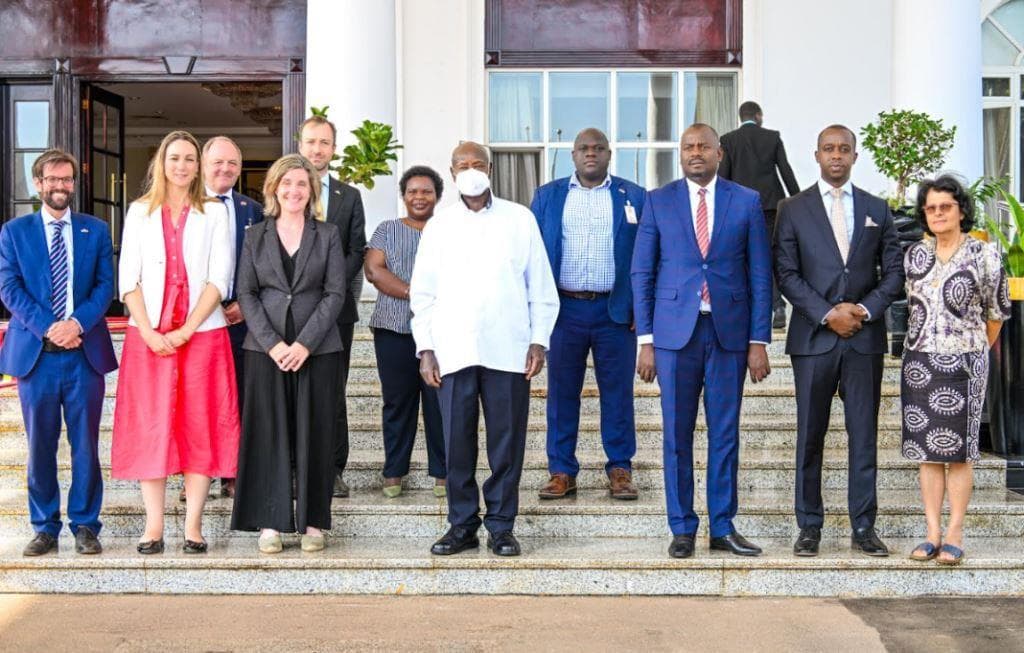

President Yoweri Kaguta Museveni has approved the construction of three additional Presidential Industrial Skilling Hubs in Ntungamo, Bushenyi, and Kalangala districts.
The initiative aims to expand practical vocational training access for vulnerable young people across Uganda.
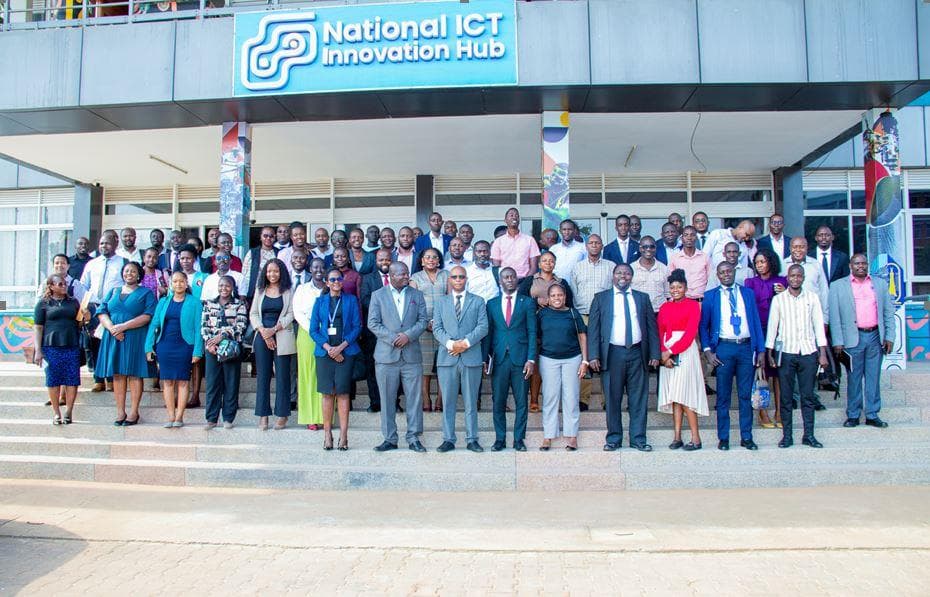
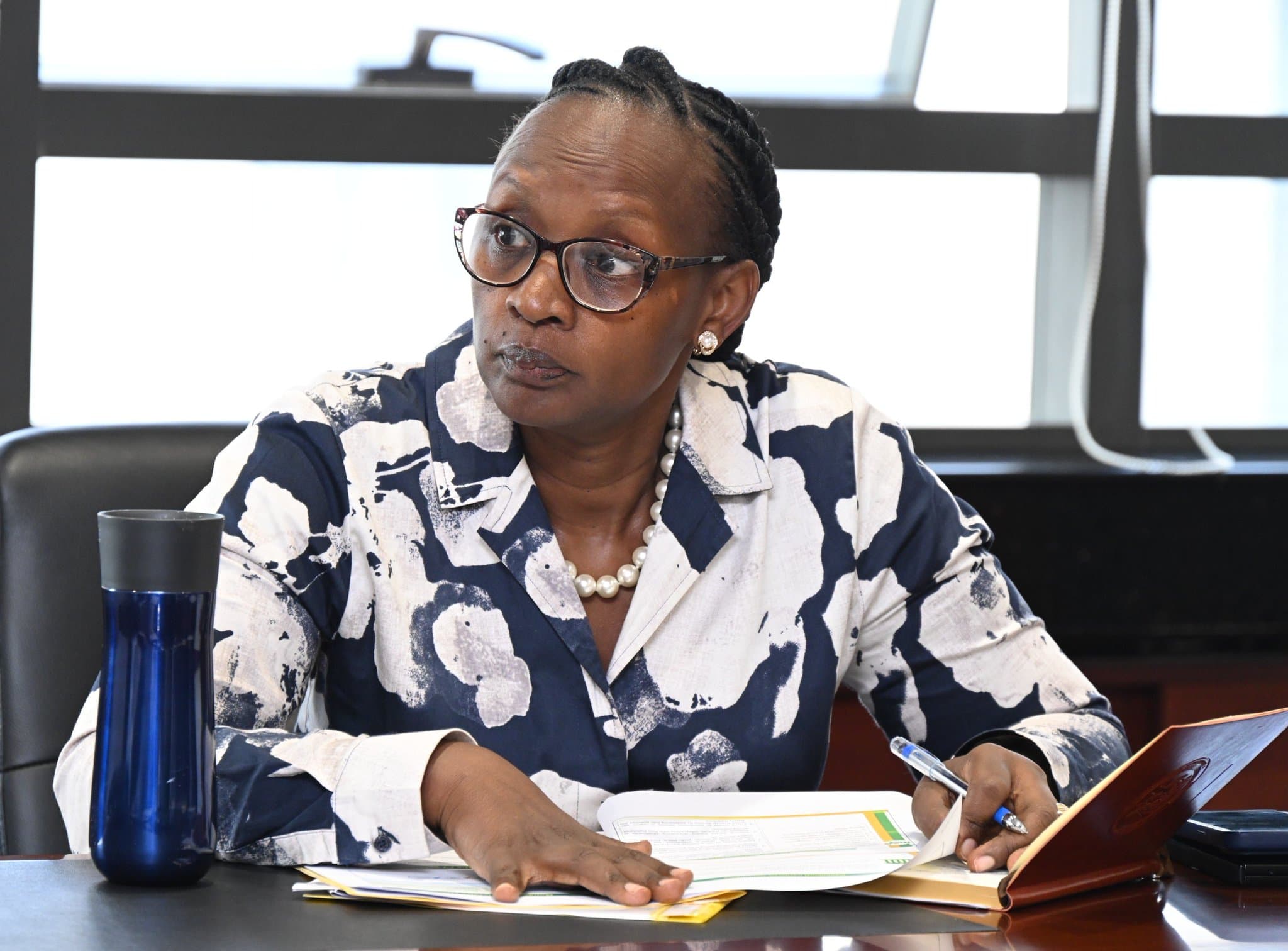
State House Comptroller, Ms. Jane Barekye, announced the directive on Monday during stakeholder meetings at the Ankole and Greater Masaka zonal hubs.
The new centres will resolve severe placement shortages caused by high competition at existing facilities.
In the Ankole sub-region, the single operational hub currently serves 17 administrative units, restricting some districts to only 14 trainee slots per intake.
Building dedicated hubs in Ntungamo and Bushenyi will ease congestion and boost admissions across the sub-region.
The facility in Kalangala will eliminate high water-transport costs for island youth who previously traveled to mainland Masaka for technical instruction.
The Greater Masaka zone will split its 10 administrative units equally between the current centre and the upcoming Kalangala hub.
Civil works will begin immediately after local district leadership allocates and hands over suitable project land.
The Director of Presidential Projects and Industrial Hubs at State House, Eng. Raymond Kamugisha, confirmed the rollout of four new vocational disciplines on presidential orders.
The curriculum now incorporates weaving and knitting, plumbing, electrical installation, and electrical wiring.
State House has also eased entry rules for vulnerable applicants who lack National Identity Cards.
Prospective students may now secure admission using recommendation letters from their Local Council 1 (LC1) chairpersons while processing formal identification documents.
Eng. Kamugisha urged certified graduates to utilize government SACCO startup capital to launch sustainable micro-enterprises.
Greater Masaka Zonal Presidential Industrial Skilling Hub Chairperson, Mr. Rodgers Bulegeya, advocated for raising intake quotas from 24 to 100 students per district to meet rising public demand.
The expansion deepens government interventions in technical skilling, youth self-employment, and grassroots economic transformation.