The Ministry of Health has released new Standard Operating Procedures (SOPs) for public gatherings, transport, places of worship, markets and burials as Uganda strengthens measures against the 2026 Ebola outbreak.
The ministry warned that crowded public spaces can increase the spread of Ebola Virus Disease (EVD), especially where people ignore hygiene and infection control measures.
According to the guidelines, people showing Ebola-like symptoms such as sudden fever, vomiting, diarrhoea, severe headache, chest pain, unexplained bleeding, weakness and yellowing of the eyes should avoid public gatherings and seek treatment from the nearest health facility.
The ministry directed organisers of sporting events, political rallies, crusades, weddings, funerals and other mass gatherings to notify district health offices before holding events. Organisers must also allow inspections and risk assessments by health officials.
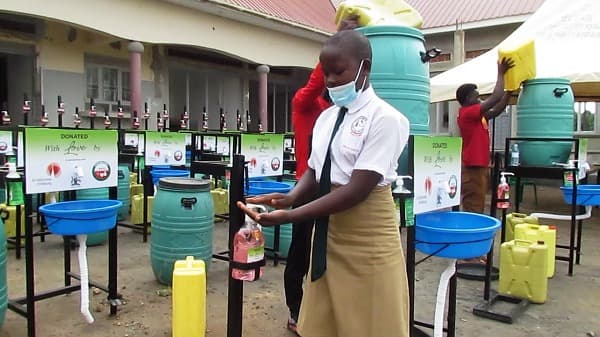
Under the SOPs, organisers must provide handwashing points with running water and soap or alcohol-based sanitiser, install temperature screening points and designate focal persons to coordinate health and safety measures.
The ministry ordered event organisers to isolate anyone with a temperature above 38 degrees for further investigation. Venues must also maintain proper ventilation, provide waste management facilities and ensure regular cleaning of toilets, bathrooms, door handles and other commonly touched surfaces.
The guidelines require every mass gathering site to have a screening desk equipped with thermoscanners or temperature guns, first aid kits, ambulances or evacuation arrangements, and isolation tents or rooms for suspected cases.
Health officials also directed organisers to restrict unnecessary movement around suspected Ebola patients, disinfect affected areas and support safe evacuation to health facilities.
Places of worship have received separate instructions. Religious leaders must avoid shaking hands with congregants, laying hands on worshippers and touching people during prayers. Worship centres must provide handwashing facilities at entry and exit points, improve ventilation and encourage physical distancing.
The ministry advised sick worshippers to remain home and seek medical attention instead of attending prayers or services.
Market operators have also been instructed to provide handwashing facilities at entrances, maintain clean and disinfected toilets, clean stalls regularly using disinfectants such as Jik, and provide waste disposal facilities.
Vendors and customers must avoid handshakes and unnecessary physical contact. The ministry also advised traders not to attend markets when sick and urged market authorities to display Ebola prevention messages in English and local languages.
In the transport sector, the ministry ordered taxi parks, bus parks, ferry sites and train stations to install handwashing facilities and display Ebola prevention messages. Public transport operators must place sanitisers inside vehicles and clean buses, taxis and boats regularly.
Drivers, conductors and boda boda riders have been told not to transport visibly sick passengers or anyone showing Ebola-like symptoms. They must also report suspected cases to the nearest health facility.
The ministry further issued strict burial guidelines. All burials involving suspected or confirmed Ebola victims must be handled by trained burial teams.
Mourners have been warned against touching, washing, kissing or hugging the deceased. Burial organisers must provide handwashing facilities and discourage overcrowding and handshakes during ceremonies.
The ministry urged the public to report suspected Ebola cases through the toll-free line 0800-100-066 or by sending a free SMS to 6767.
Uganda has previously contained several Ebola outbreaks through surveillance, isolation, contact tracing and public awareness campaigns. Authorities continue to urge the public to remain vigilant and follow health guidelines.
 Health
President Museveni Postpones Martyrs’ Day Over Ebola Outbreak
President Museveni postponed this year’s Martyrs’ Day celebrations following the Ebola outbreak in Eastern Congo.