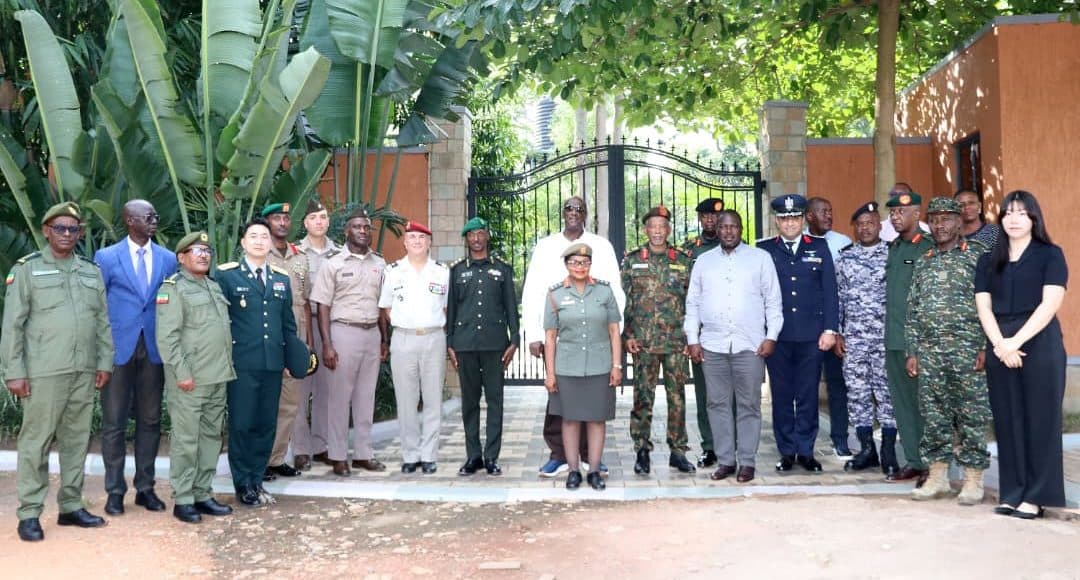
Modern armies face a critical national security threat from evolving electronic manipulation and strategic disinformation campaigns.
The Chief Coordinator of Operation Wealth Creation (OWC) and Senior Presidential Advisor on Defence, General (Rtd) Caleb Akandwanaho, highlighted the shifting defense landscape during a high-level diplomatic summit. The strategic briefing took place at the Heritage Farm Command Post in Kirema, Nakaseke District.
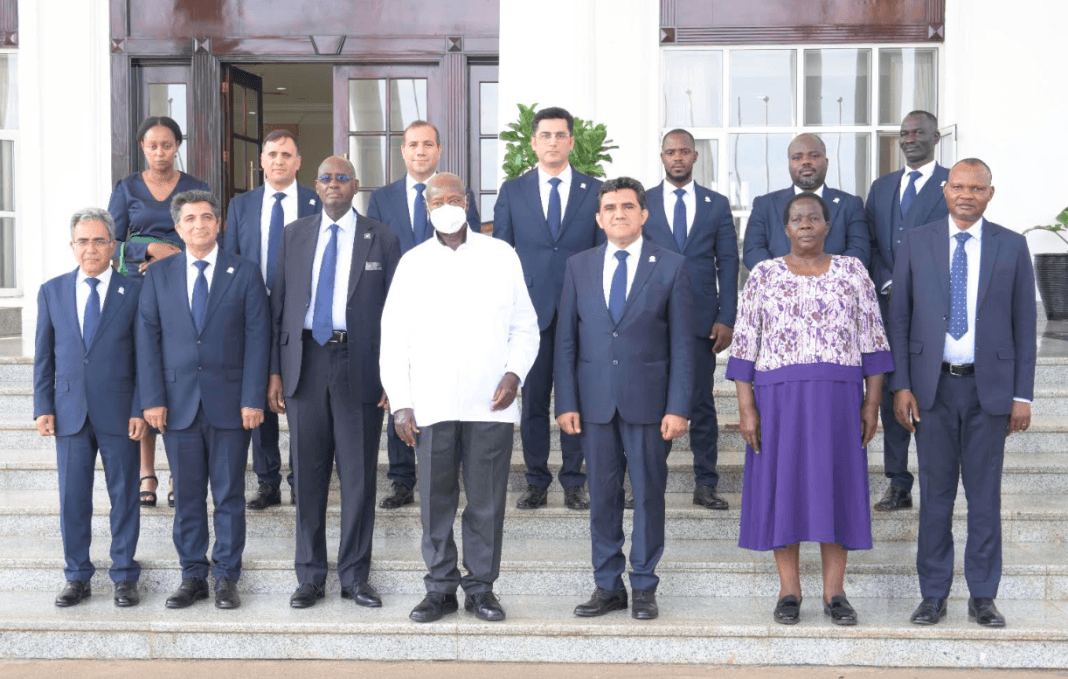
The security conference convened various international Defence Attachés currently accredited to Uganda. General Akandwanaho, popularly known as Gen Salim Saleh, urged global military forces to immediately adapt to these unconventional battlefields.
Reflecting on the historical lessons of Uganda’s internal liberation struggle, the veteran commander explained that national security threats have systematically transitioned away from conventional combat. Modern conflicts now manifest through organized mass demonstrations and highly coordinated information-based warfare.
“We started looking at other forms of warfare that we did not expect,” Gen Saleh said.
Consequently, the senior advisor challenged foreign military emissaries and domestic officers to aggressively master the digital skills necessary to neutralize online destabilization.
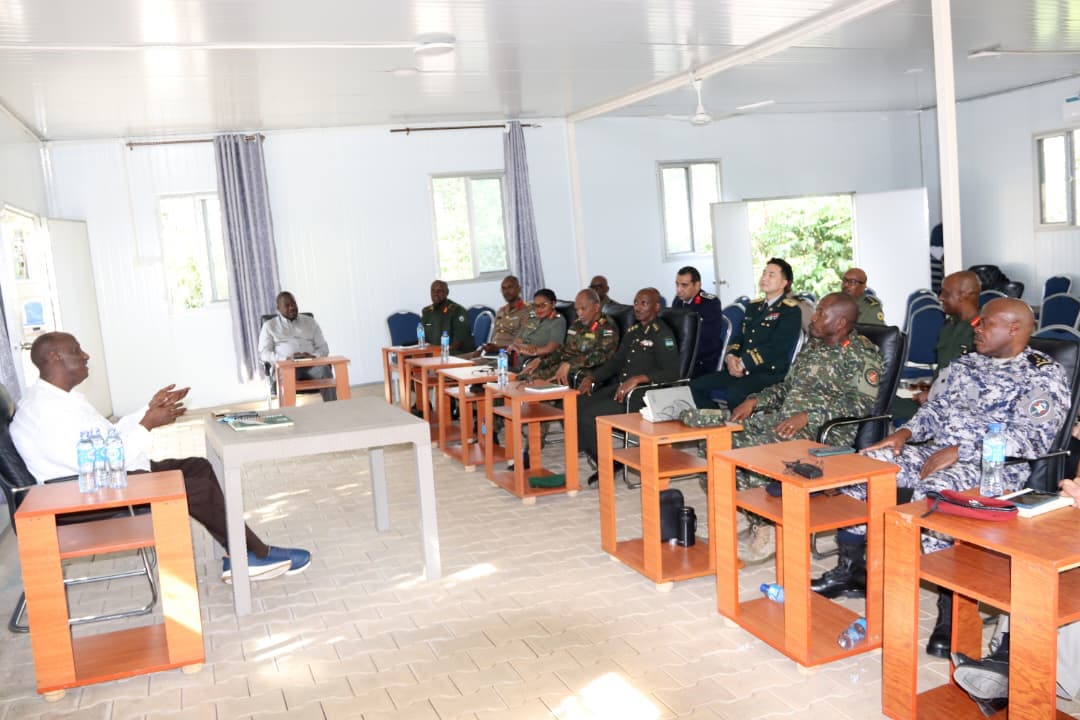
Beyond cyber security, the general emphasized that military institutions must actively monitor the domestic socioeconomic conditions of ordinary citizens. He noted that economic vulnerability directly correlates with national instability.
“There is a need for armies to understand what is happening in society and the socio-economic conditions of the people,” he added.
According to the commander, structural reforms within the Uganda Peoples’ Defence Forces stem directly from President Yoweri Museveni’s long-term institutional vision. The state strategy commands the national army to participate directly in civil development projects.
This specific ideological approach birthed massive military-led agricultural interventions, including Operation Wealth Creation and the grassroots Parish Development Model.
“He envisaged a force capable of contributing to food security, participating in wealth creation, and eventually manufacturing some of its own requirements and equipment,” Gen Saleh explained.
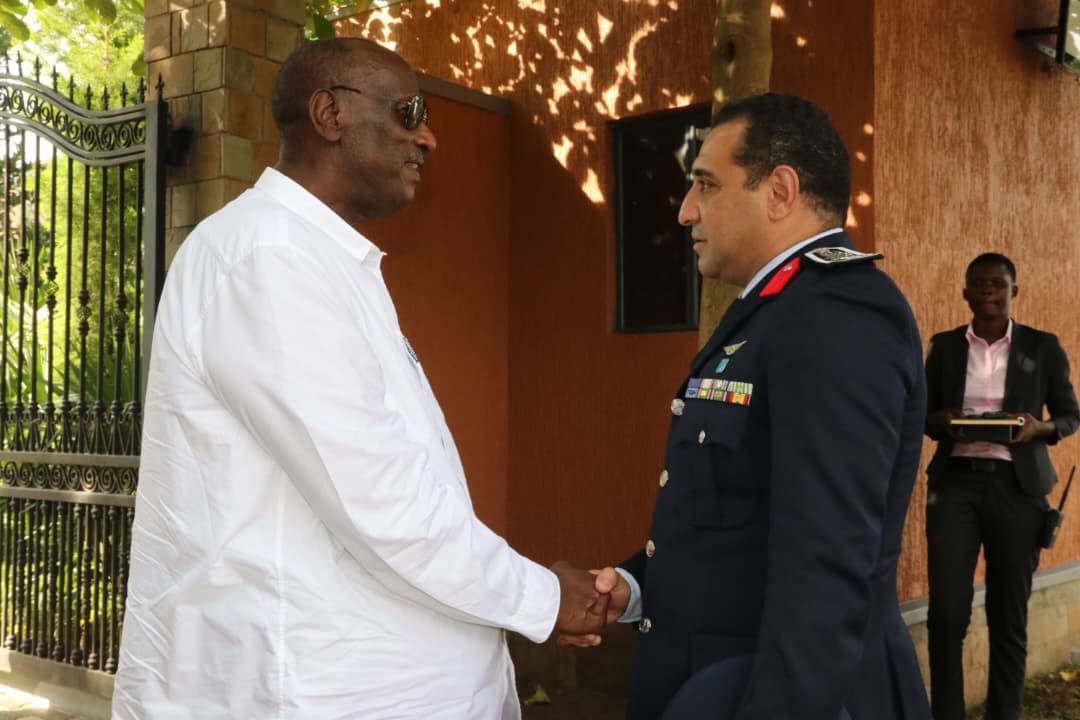
Expanding on local economic defense, the Acting Deputy Chief Coordinator of OWC, Brigadier General Godfrey Muwanguzi, detailed the state's signature four-acre agricultural matrix. The model instructs rural households to maximize small land plots through simultaneous food crop cultivation and commercial livestock farming.
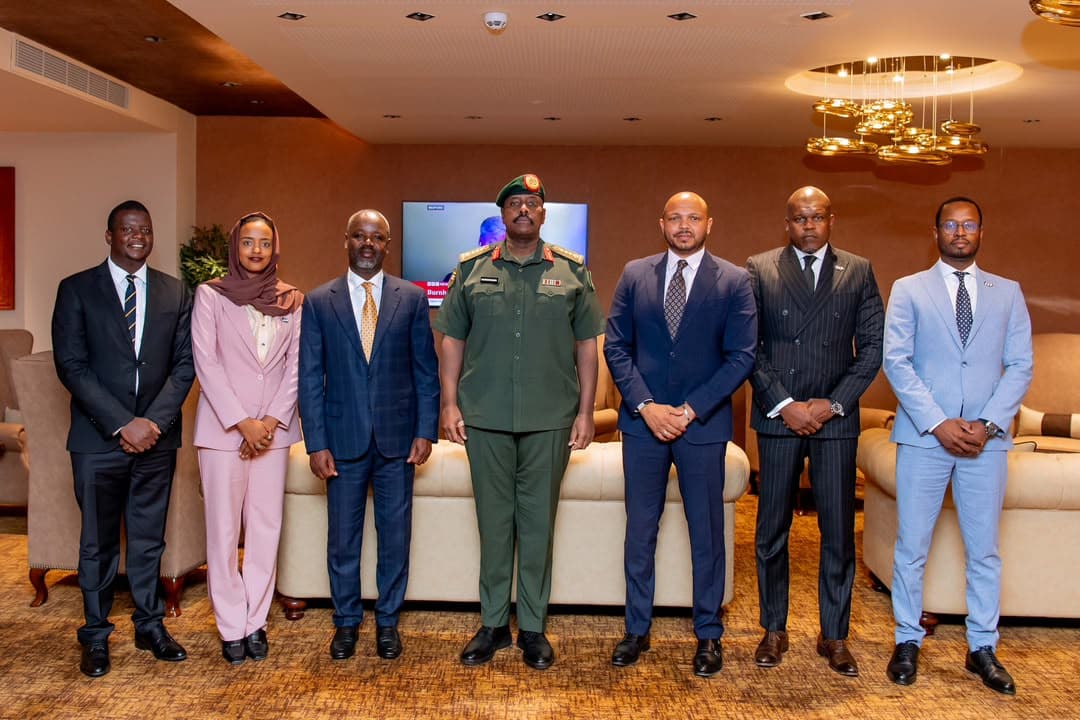
Representing the Chief of Defence Intelligence and Security, Maj Gen Richard Otto, the Assistant Chief in charge of Defence Engagements, Col Allan Matsiko, thanked the veteran general for contextualizing the military's dual role in defense and poverty alleviation.
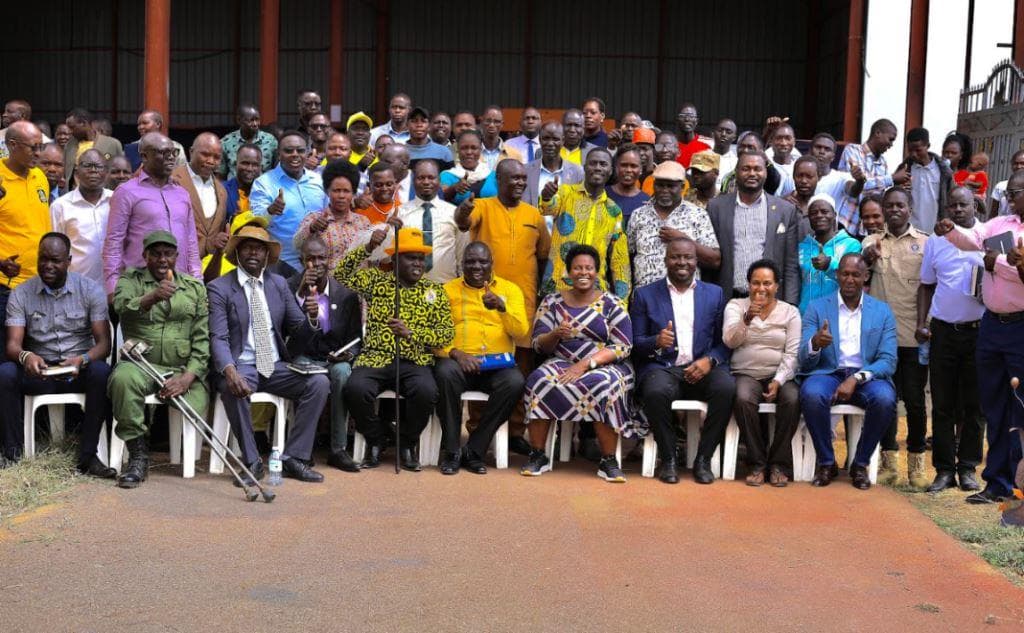
The security briefing also featured key political and military leaders, including the Secretary General of the National Resistance Movement, Hon. Richard Todwong, and the Commander of the 1 Infantry Division, Brig Gen Fred Mwesigye.