African leaders have called for greater investment in quality seeds, warning that fertilisers, irrigation and machinery cannot rescue harvests when farmers plant poor seed.
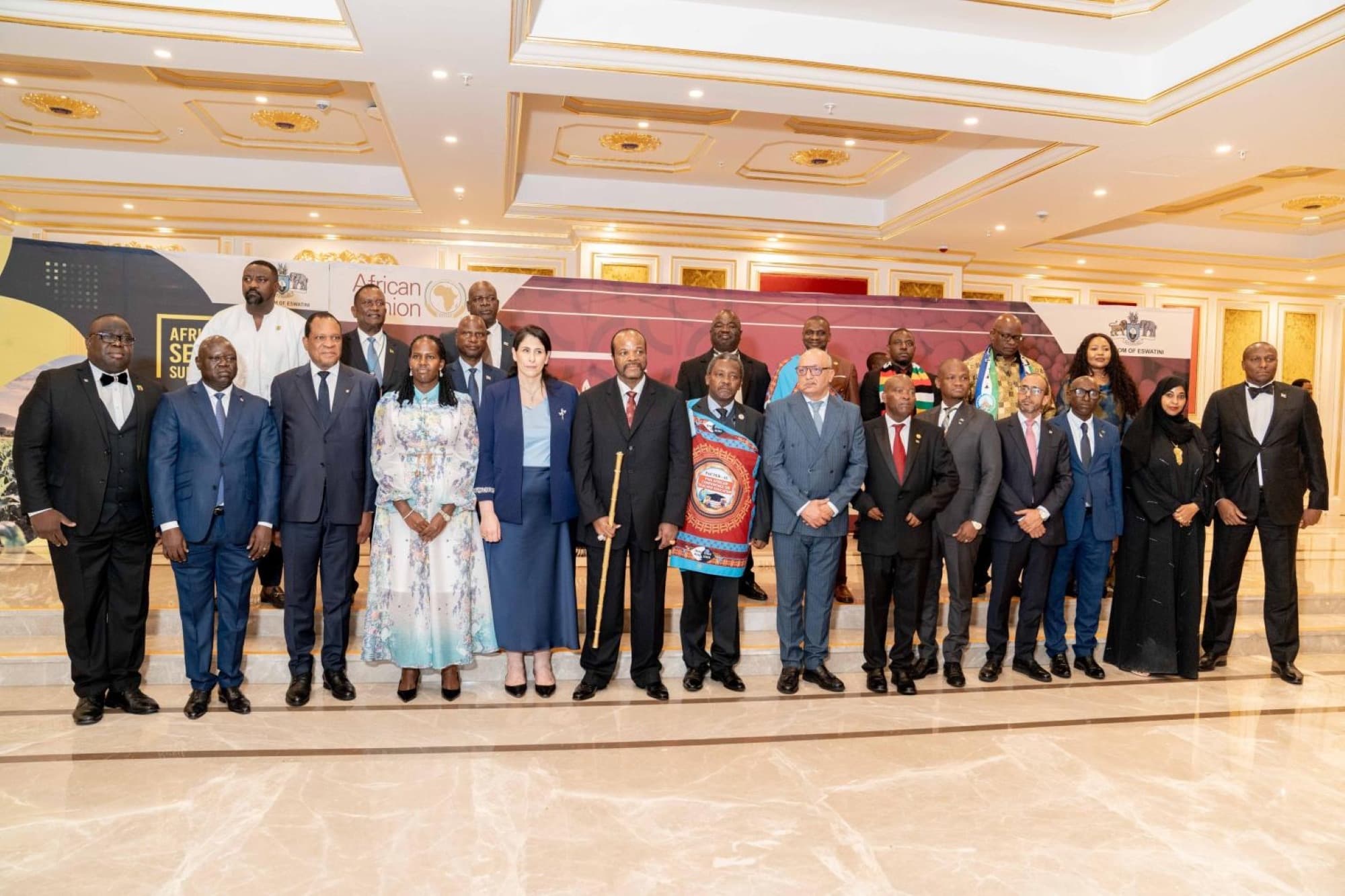
The call emerged from the inaugural Africa Seed Summit in Ezulwini, Eswatini, where ministers adopted proposals to improve access to affordable seeds and strengthen production across the continent.
The African Union Commission convened the meeting from October 5 to 7, 2026, under the theme “Resilient Seed Systems for a Food Secure Africa”.
Opening the summit on October 6, King Mswati III said control over seed production and investment would shape Africa’s ability to feed its people.
“No fertilizer, irrigation or machinery can make up for poor seed,” he said.
He urged countries to concentrate on crops suited to their conditions and support other African nations with strengths in particular areas of production.
His proposals included soil testing, dams, irrigation, better storage and transport links to move food between African markets. He linked these investments to opportunities under the African Continental Free Trade Area.
The king also called for the conservation of indigenous plant genetic resources and the development of varieties that withstand drought, pests and other threats.
He cited Eswatini’s efforts to upgrade its national gene bank, multiply seeds and train farmer groups in small-scale seed production. But he warned that governments must act on their promises.
“Frameworks that remain on paper feed no one,” he said.
African Union Commission deputy chairperson Selma Malika Haddadi urged governments and partners to focus on what farmers need: suitable seeds, affordable prices and supplies that arrive before planting.
She called for investment in research, plant breeding, seed testing, certification and agricultural extension services. She also urged support for seed businesses and greater participation by women and young people.
Haddadi pressed governments to connect formal seed systems with those managed by farmers, recognising their contribution to harvests, biodiversity and rural incomes.
The Ezulwini Outcome Document adopted by ministers proposes support for community seed banks, farmer networks and local businesses. It also calls for the protection of farmers’ rights and fair sharing of benefits from genetic resources and traditional knowledge.
Ministers requested an integrated African Seed and Gene Bank System, with a continental institution working alongside national and regional gene banks.
They also committed to aligning seed policies and standards and reducing barriers to seed trade between African countries.
The proposals will go through the relevant African Union policy organs for consideration, validation and formal endorsement.
Closing the summit, AU agriculture commissioner Moses Vilakati urged governments and partners to treat the document as a roadmap for implementation.
The priorities support the CAADP Kampala commitments and Agenda 2063, with delivery centred on better seeds, stronger agricultural businesses and more dependable harvests.