
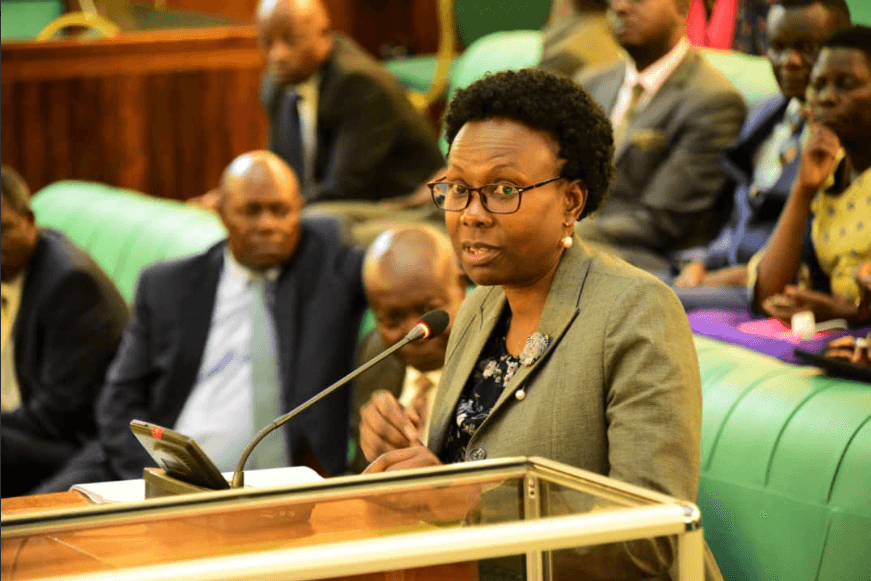
Government has decided to withdraw the National Health Insurance Scheme (NHIS) Bill, 2019. The Minister of Health, Dr. Jane Aceng is this week expected to appear on the floor of Parliament to withdraw the Bill that has taken the Ministry about 20years to discuss and draft.
In June 2019, Cabinet approved the National Health Insurance Scheme (NHIS) Bill where the scheme is expected to pool resources from the citizens based on pre-payments in form of premiums aimed at insuring the national population against the high and unpredictable costs of seeking quality health care. However, with consultations from various stakeholders, government has decided to withdraw the Bill that would lessen citizens’ burden from very high out-of-pocket expenditure on health.
According to the Ministry of Health Spokesperson, Emmanuel Ainebyoona, the Bill will be withdrawn to allow government harmonize and make further changes on the original Bill for inclusiveness.
“Yes, the National Health Insurance Scheme Bill will be withdrawn and changes will be made on the original Bill before it is resubmitted,” Ainebyoona said. He added that the decision to withdraw the current Bill was based on several concerns especially from the business community who claim that they were not properly consulted.
“After we have fully consulted all the stakeholders, the minister will then retable the Bill for debate after making amendments to the original bill,” he said.
The bill is composed of three sub-schemes, including social health insurance, community-based health insurance (CBHI), and private-commercial health insurance, which will be implemented concurrently. According to the clauses on the current bill, government and private employees are to contribute 4% of their monthly salary to the Scheme while employers will contribute 1% of each employee’s monthly salary. Self-employed individuals are expected to pay Shs100,000 per year and pensioners to contribute 1% of their monthly pension payment.
Currently, Ugandans spend a significant amount of their income on health, which reduces their ability to save and spend on other things. Uganda’s annual per capita expenditure on health stands at $53 which far below the recommended minimum of $84.
According to National Health Accounts report, FY 2016/17, Ministry of Health spends over 7.5trillion on health annually, out of which about 15% is government funding, 42% from donors, 41% is from individuals and only 2% is from health insurance.