
A new study has found that a small medical device is quietly changing women’s lives in parts of Eastern and Northern Uganda. Researchers say self-injectable contraception not only prevents unintended pregnancies but also increases women’s confidence and control over their reproductive health.
The study, titled Is Choosing Self-Injectable Contraception Associated with Enhanced Contraceptive Agency? Findings from a 12-Month Cohort Study in Uganda, was led by scholars from Makerere University. The team included Professor Peter Waiswa, Catherine Birabwa, Ronald Wasswa, Dinah Amongin and Sharon Alum. They worked with partners from the University of California, San Francisco.
For many years, women in rural Uganda have relied on health centres for family planning. They often travel long distances. They queue for hours. They depend on health workers for injections and implants. This system creates challenges. Transport costs are high. Stock-outs are common. Privacy is limited.
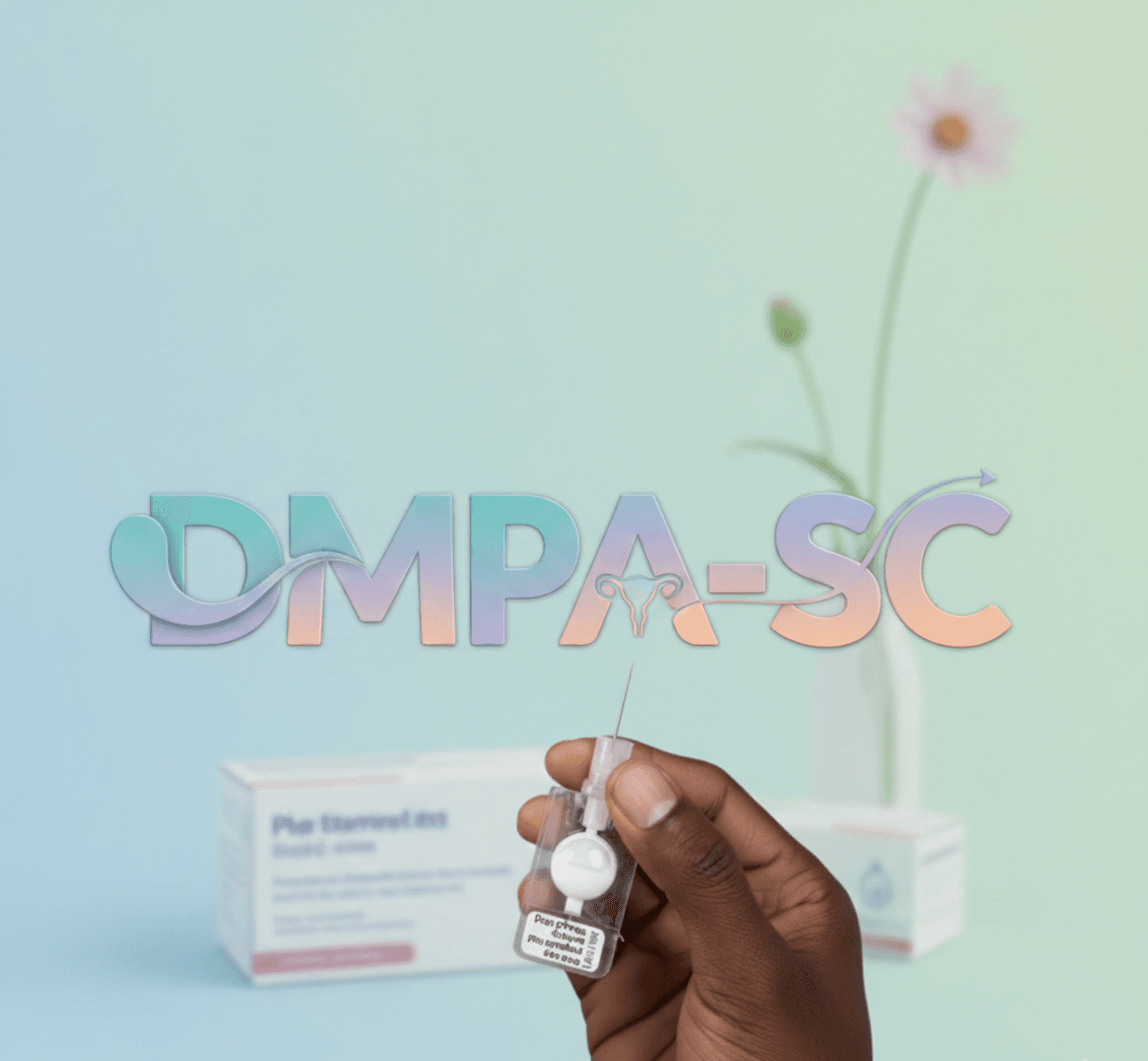
The method studied, known as DMPA-SC, allows women to inject themselves after simple training and counselling. It shifts care from clinics to the individual. Researchers tracked 1,828 women in Iganga, Mayuge, Kole, Lira and Oyam districts for 12 months. Of these, 216 chose to self-inject while 1,612 relied on clinic-based methods.
After six months, women who self-injected recorded a clear rise in their sense of control. Their agency scores increased from 2.65 to 2.74 on a scale of zero to three. Scores among women who depended on providers remained almost unchanged, rising only from 2.61 to 2.63. The researchers said women who injected themselves reported greater awareness of their reproductive rights and felt more involved in decision-making.
The findings come as Uganda renews its commitments under FP2030 and continues to implement its National Family Planning Costed Implementation Plan. Both frameworks stress voluntary and rights-based access to contraception, equity and method choice.
Researchers argue that self-injection is also cost-effective. Training requires limited funding. Ongoing costs mainly involve supplying the commodity. Over time, this reduces repeated clinic visits for women and eases pressure on health facilities. Health workers can then focus on more complex cases.
They say Uganda can sustain the programme with stable domestic financing and reliable supply chains. However, they warn that empowerment will fail if products are not available at community level. They also call for efforts to address stigma, privacy concerns and partner resistance. Providers should offer self-injection as a first-choice option and ensure women receive proper counselling.
The researchers urge government to integrate DMPA-SC fully into national health financing and primary health care reforms. They say strong commodity budgets and deliberate scale-up will secure long-term access and give more Ugandan women control over their reproductive choices.