

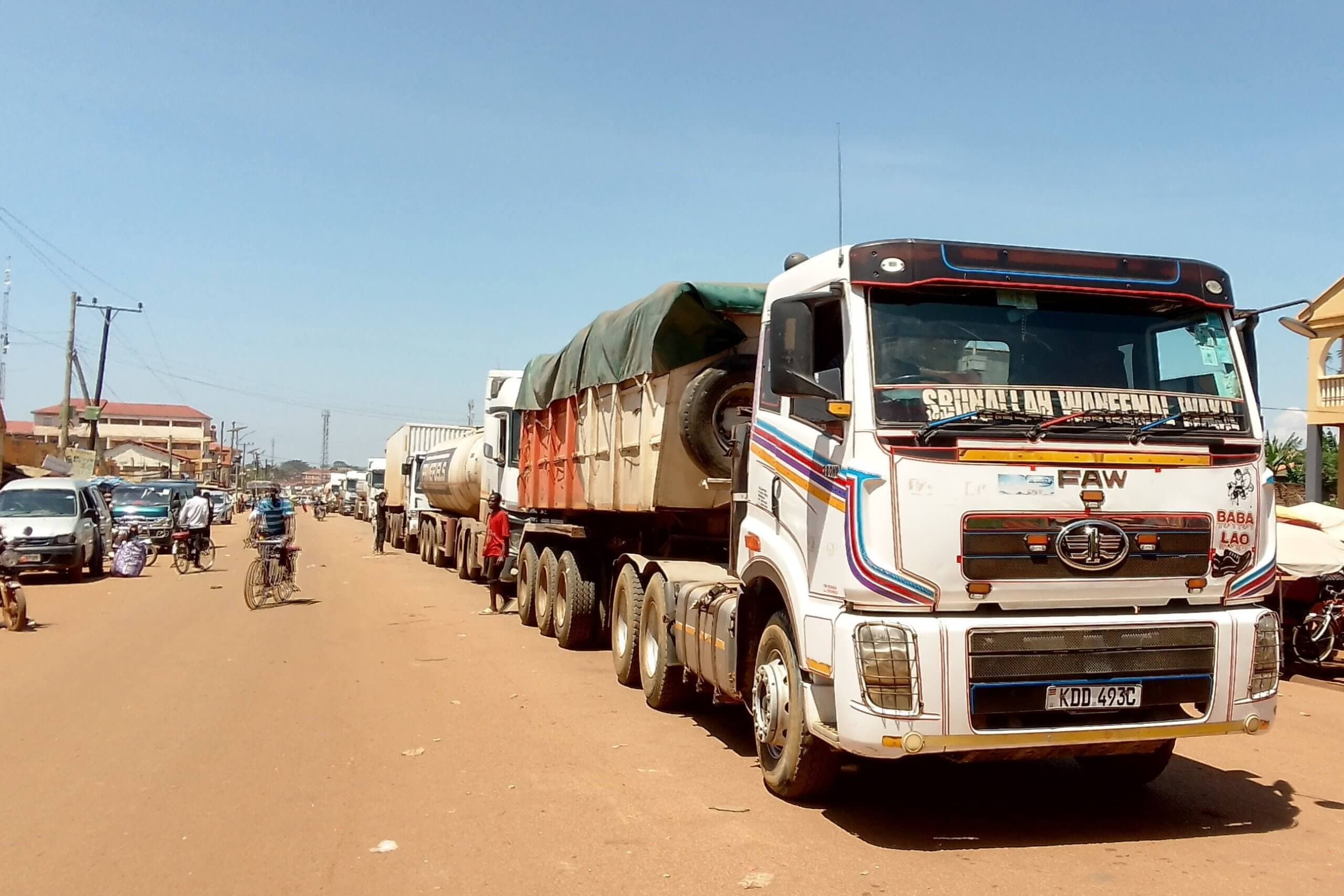
The East African Community (EAC) has been recognised for making notable progress in advancing intra-African trade, according to the 11th edition of the Assessing Regional Integration in Africa (ARIA XI) report.
The report, published on July 13, 2025, by the United Nations Economic Commission for Africa (UNECA), in partnership with the African Union Commission and the African Development Bank, offers fresh insights on regional integration and provides key policy guidance for Africa’s economic development.
It shows that intra-African trade makes up just 16% of the continent’s total trade, highlighting the need for stronger integration. Among the continent’s regional blocs, the Intergovernmental Authority on Development (IGAD) led with a 36% share in intra-African trade, fuelled mainly by activity in Kenya, Uganda, and re-exports through Djibouti.
The EAC followed with a solid performance driven by its Customs Union and efforts to ease trade across borders. From 2019 to 2023, 28% of the region’s merchandise exports went to African countries, well above the continental average. Imports from within Africa also stood at 19%, reflecting deep trade links within the region.
Despite these gains, most of the EAC’s trade remains outside the continent, with Asia receiving 56% of exports and supplying 64% of imports. The report identifies this trend as both a challenge and an opportunity to strengthen trade within Africa.
It also highlights the impact of informal cross-border trade, which could add between 7% and 16% to intra-African trade figures. Informal exchanges make up an estimated 30% to 72% of all trade between neighbouring countries, suggesting that the EAC’s actual trade volume may be higher than current records show.
Commenting on the findings, Annette Mutaawe Ssemuwemba, the EAC Deputy Secretary General for Customs, Trade and Monetary Affairs, said, “The ARIA XI report confirms that the EAC is one of the leading regions on the continent in terms of intra-African trade. This is a testament to the strength of our Customs Union and the success of our Single Customs Territory in reducing barriers and facilitating trade within the region and beyond.”
She added, “While we are proud of this progress, the fact that most of our trade is still directed outside Africa underlines a strategic vulnerability. This presents a clear opportunity for us to leverage the African Continental Free Trade Area to build stronger regional value chains, diversify our export destinations, and reduce our exposure to global shocks.”
Ssemuwemba said the EAC remains committed to working with Partner States, the African Union, and other institutions to fully implement the AfCFTA and speed up efforts to boost intra-African trade.
She underlined the need for more investment in infrastructure, harmonised standards, and the removal of non-tariff barriers to drive a more united and prosperous Africa.
Ms Ssemuwemba also thanked the UNECA, AUC, and AfDB for publishing the ARIA XI report and praised it for offering useful insights to help policymakers and stakeholders steer the continent toward deeper integration.