

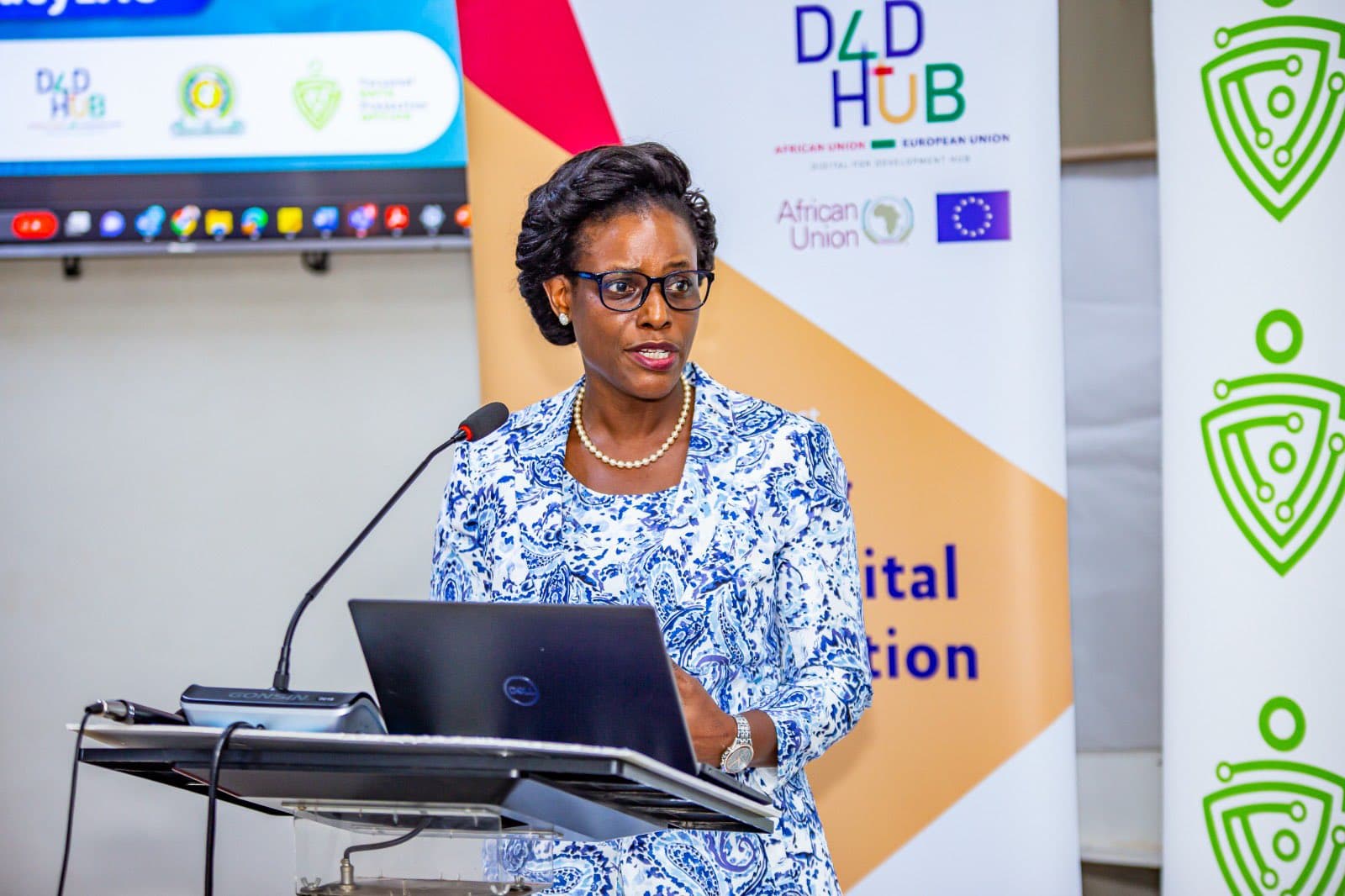
The East African Community (EAC) has taken a significant step towards harmonising data governance frameworks among its eight Partner States. This milestone follows a Regional Workshop for Data Experts on Cross-Border Data Flows, convened by the EAC Secretariat.
The initiative is part of the Eastern Africa Regional Digital Integration Project (EARDIP) aimed at establishing a seamless and secure environment for cross-border data flows.
“This workshop reaffirms our steadfast dedication to positioning the EAC as a leader in digital transformation and regional integration,” said Annette Ssemuwemba, EAC Deputy Secretary General in charge of Customs, Trade, and Monetary Affairs, while officiating the event. She emphasised that harmonising data frameworks will foster innovation, boost trade, and elevate the region’s global competitiveness.
Aligning the Region for a Unified Data Governance Approach
The workshop provided a platform for policymakers to deliberate on developing a regional cross-border data exchange mechanism. Experts highlighted the disparities in national data protection legislation across Partner States, with South Sudan notably lacking a data protection law, and only five states: Kenya, Rwanda, Somalia, Uganda, and Tanzania, having established dedicated data protection authorities.
Participants called for a harmonised legal framework to address these gaps, enhance trust, and unlock economic opportunities. The discussion also stressed aligning EAC regulations with international standards such as the EU General Data Protection Regulation (GDPR) and Asia-Pacific Economic Cooperation (APEC) mechanisms, while tailoring solutions to the region’s unique context.
Private sector representatives underscored the challenges posed by fragmented regulations, which hinder investment and innovation. They expressed optimism that harmonised frameworks would enhance data security, facilitate cross-border operations, and attract greater investment in the digital economy.
Establishing a technical working group
The workshop resolved to form a Technical Working Group (TWG) comprising representatives from Partner States’ Data Protection Authorities, Attorney Generals’ Chambers, ICT Ministries, and the EAC Secretariat.
The TWG will draft principles for the cross-border data flow framework, guide a pilot program, and contribute to the development of an EAC Data Protection and Privacy Act. It will also oversee technological aspects such as consent management and conduct consultations and capacity-building to ensure the framework meets the region’s needs.
The outcomes of the TWG’s work are expected to position the EAC as a leader in digital integration, fostering innovation and creating a regulatory environment conducive to trust and investment. Harmonised data protection laws will not only enhance regional integration but also attract significant investments by offering a secure and predictable regulatory environment.
About EARDIP
The Eastern Africa Regional Digital Integration Project (EARDIP), supported by the World Bank, focuses on four key components:
- Connectivity market development and integration: Expanding cross-border connectivity and rural access.
- Data market development and integration: Enabling secure cross-border data exchange and enhancing cybersecurity.
- Online market development and integration: Supporting e-service enablers and digital skills development.
- Project management and implementation: Providing capacity-building and technical support.
EARDIP aims to create a unified digital market that drives socio-economic growth, empowers businesses, and improves service delivery across the region.