

Uganda’s economy could grow at its fastest pace in more than 30 years when commercial oil production starts in the 2026/27 financial year, the government has said.
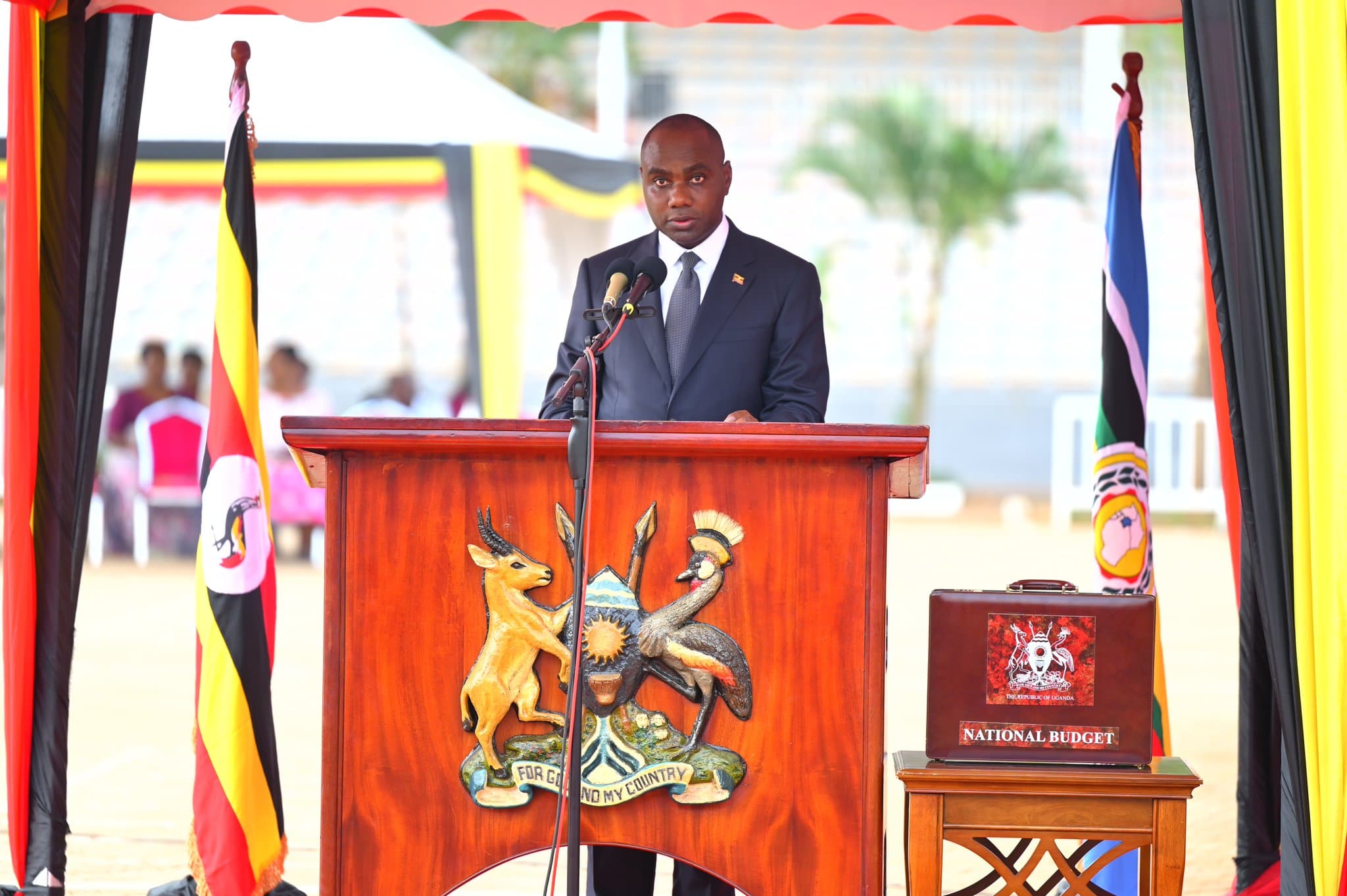
Finance Minister Henry Musasizi told Parliament on June 11, 2026, that the economy remains stable, with low inflation, stronger exports, more investment and rising business confidence.
“The economy is stable, growth is accelerating, inflation is low, exports are rising, investment is increasing and confidence in Uganda’s future remains strong,” Musasizi said.
He said Uganda’s economy is expected to grow by 6.4 per cent in the 2025/26 financial year, up from 6.3 per cent in the previous year.
Musasizi said the economy could reach about $69.3 billion (Shs250.4 trillion) by the end of June 2026. GDP per person is also expected to rise to $1,420, about Shs5.1 million.
The minister said commercial oil production, expected to start later this year, will push growth to 10 per cent in the 2026/27 financial year.
“This will mark Uganda’s first return to double-digit growth since the economic reforms of the 1990s,” he said.
Musasizi said stronger growth would create jobs, raise household incomes and give the government more money for education, health, roads, security and other public services.
He made the remarks while presenting the Shs84.3 trillion budget for the 2026/27 financial year. It is Uganda’s largest budget yet and was approved by Parliament in April.
Government figures show that domestic revenue will provide the biggest share of the budget at Shs44.18 trillion. Other funds will come from domestic borrowing, external financing, petroleum revenue, grants and local government revenue.
The budget is aligned with the Fourth National Development Plan and the government’s plan to expand Uganda’s economy tenfold in the coming years.