

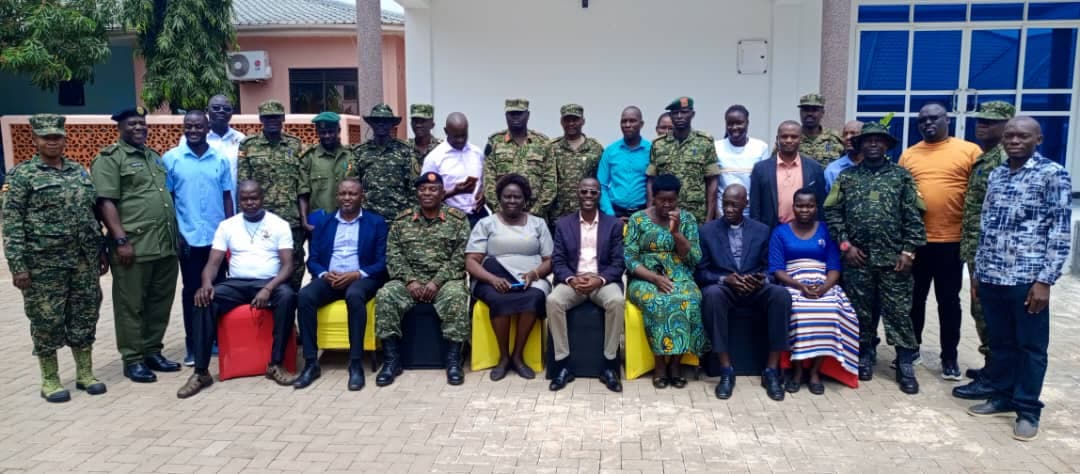
The Uganda People’s Defence Forces (UPDF) has launched new Civic-Military Cooperation (CIMIC) centres in northern Uganda to address persistent cattle raids and strengthen civilian-military collaboration.
The centres, established in Lira, Kitgum, Karenga, and Kapelebyong, aim to promote dialogue, build trust, and foster locally driven security solutions in the Karamoja, Acholi, and Lango sub-regions.
While launching the initiative in Lira, Brig Gen Michael Kibuye, Director of CIMIC in the UPDF, said the programme represents a strategic shift in approach to regional security.
“The leaders now understand that the rifle no longer makes the impact it used to,” said Brig. Gen. Kibuye. “What works today is talking; bringing community leaders and soldiers together to discuss and agree on the way forward.”
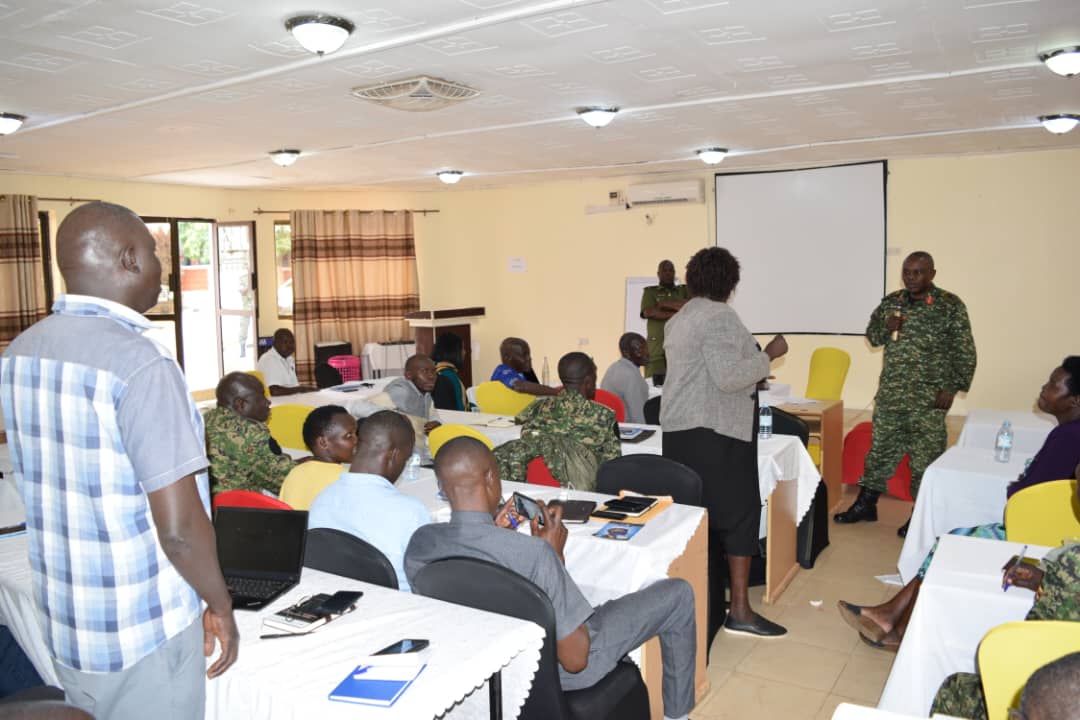
He said CIMIC officers will work with local governments, NGOs, and communities to create transparent, inclusive responses to insecurity.
“This cooperation can only be achieved through coordination, liaison, information sharing, and community support,” Brig. Gen. Kibuye added.
He also reiterated the UPDF’s philosophy of civilian integration, quoting President Yoweri Museveni:
“The Army is part of the people, and the people are part of the Army. The people cannot be without the Army, nor can the Army exist without the people.”
Lira Deputy Resident District Commissioner, Beatrice Molly Abang, welcomed the initiative, saying it would improve community access to the military and rebuild public trust.
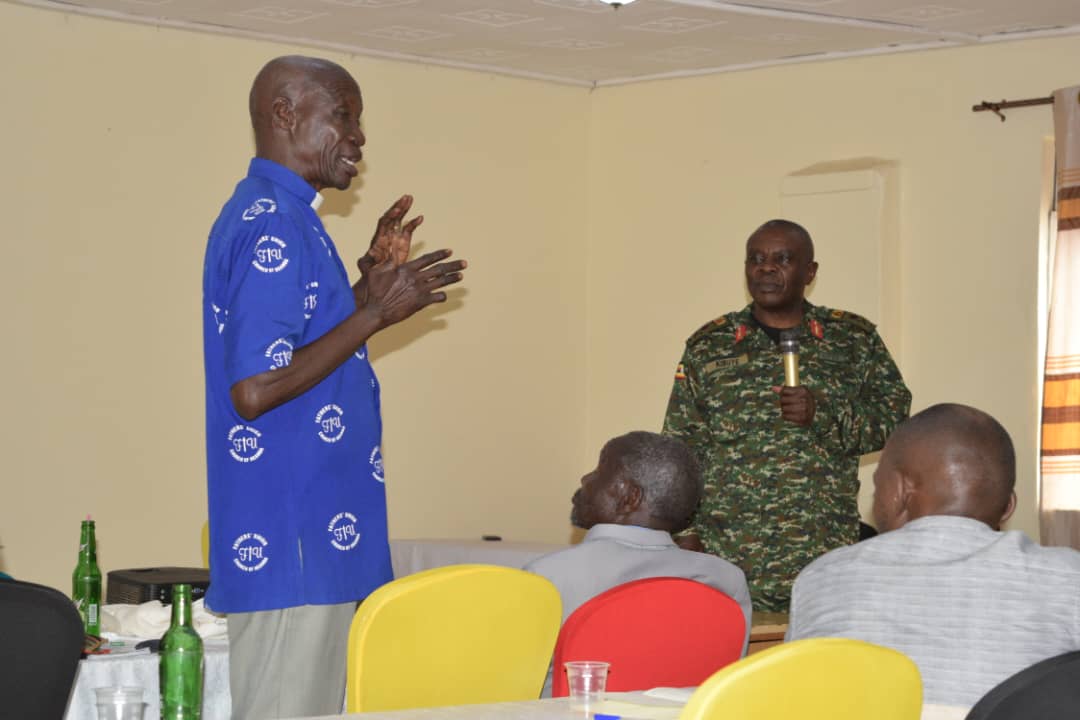
Leaders from areas frequently affected by cattle raids expressed hope that the CIMIC centres would make a meaningful impact. Samuel Lobeka Abukongimoe, a leader from Karenga District, said their presence near administrative offices would ease civilian interaction with soldiers.
“People are often afraid to approach army barracks, but placing CIMIC centres near RDC offices makes it easier for civilians to interact with security personnel and share vital information,” he said.
He noted that areas like Karenga, Kitgum, Abim, and parts of Lango have long suffered from raids driven by illegal firearms entering from South Sudan and the Democratic Republic of Congo.
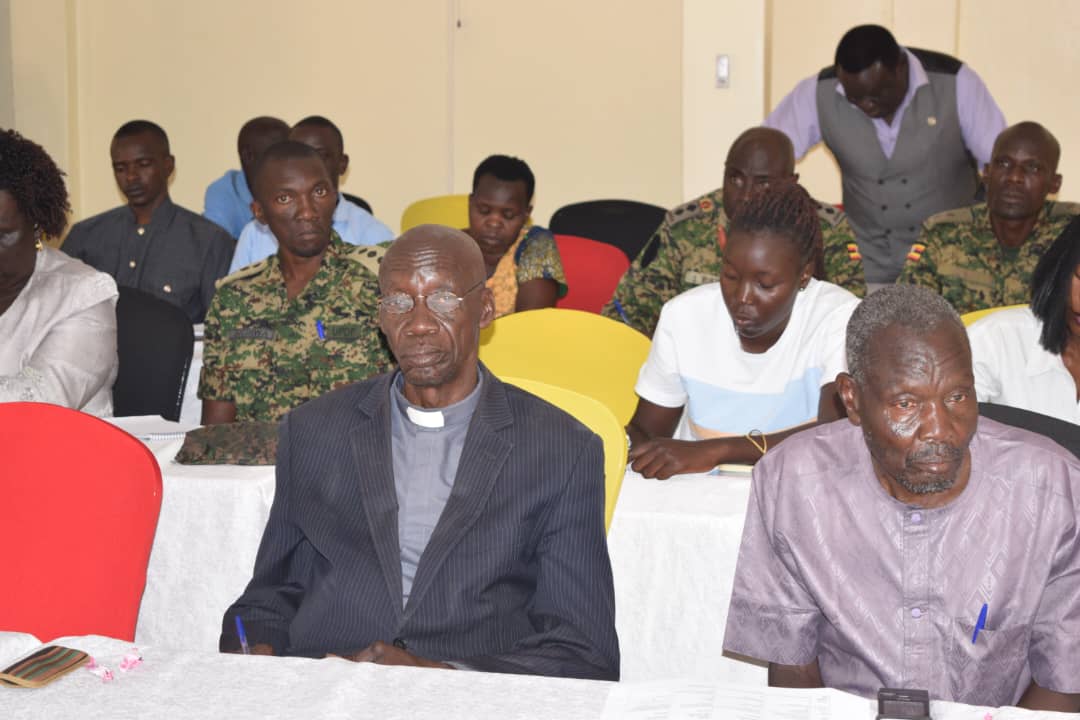
Rev. Philip Okiror, Chairperson of the Elders Forum for Karamoja and Teso Regions, praised the initiative for its focus on reconciliation.
“The most important aspect of CIMIC is the collaboration between the army and civilians to find solutions and live together in peace,” he said.
The affected regions—Lango, Acholi, and Teso—have for decades endured insecurity due to cattle rustling and the proliferation of arms. These conditions have displaced communities, eroded livelihoods, and deepened inter-community divisions.
Through the new centres, the UPDF hopes to strengthen local resilience, prevent conflict, and sustain peace efforts across the Greater North.
The launch event attracted UPDF officers, RDCs, district leaders, civil society actors, and development partners from the participating districts.