

At dusk in Bunga, a once-quiet Kampala suburb, a group of men huddle outside a rental complex, speaking in hushed tones. Across the road, a Ugandan family packs their belongings into a truck, ready to move to a cheaper area on the outskirts of the city. Their landlord has raised rent—again.
“We’ve lived here for over ten years,” says Sarah, a mother of three, as she watches her children carry boxes into the vehicle. “But we can’t afford it anymore. The landlords are asking for too much, and there are always new tenants willing to pay.”
Bunga, known for its mix of upscale residences and middle-income rental homes, has seen an unprecedented rise in rental prices over the past five years. Several factors contribute to this surge, but a key driver has been an influx of Eritrean migrants, many of whom are willing and able to pay higher rents.
The Migration Effect
Uganda has long been a safe haven for refugees, welcoming thousands from neighboring countries facing political instability. Eritreans, in particular, have found refuge in Kampala, often pooling resources to secure housing in areas along Ggaba Road such as Bunga, Ggaba, Kabalagala, and Kansanga.
“Unlike many Ugandans who rent individually, Eritrean families or groups of young men combine their money and can afford to pay higher than the market rate,” explains a local real estate agent. “If a house is listed at 350,000 UGX per month, Eritreans can offer 800,000 UGX. For a house at 500,000 UGX per month, they will offer 1.2 million UGX upfront, sometimes paying six months in advance. Landlords prefer that.”
This practice has made it difficult for many Ugandan families to compete.
“The landlord told me someone else was willing to pay more,” says a boda boda rider who had to relocate his family from Bunga to Namasuba. “I don’t blame the Eritreans, but it’s frustrating. Where are we supposed to go?”
Landlords and the Market Shift
For property owners, the demand is good business.
“I can’t turn down more money,” admits one landlord, who requested anonymity. “Eritreans pay on time and sometimes even improve the houses they rent. But I do understand that locals feel pushed out.”
The increased demand for rentals has led to property owners charging in U.S. dollars rather than Ugandan shillings, further straining affordability. Many longtime Ugandan tenants, whose incomes have not kept pace with inflation, find themselves priced out of areas they once called home.
Eritrean Entrepreneurs Enter Local Markets
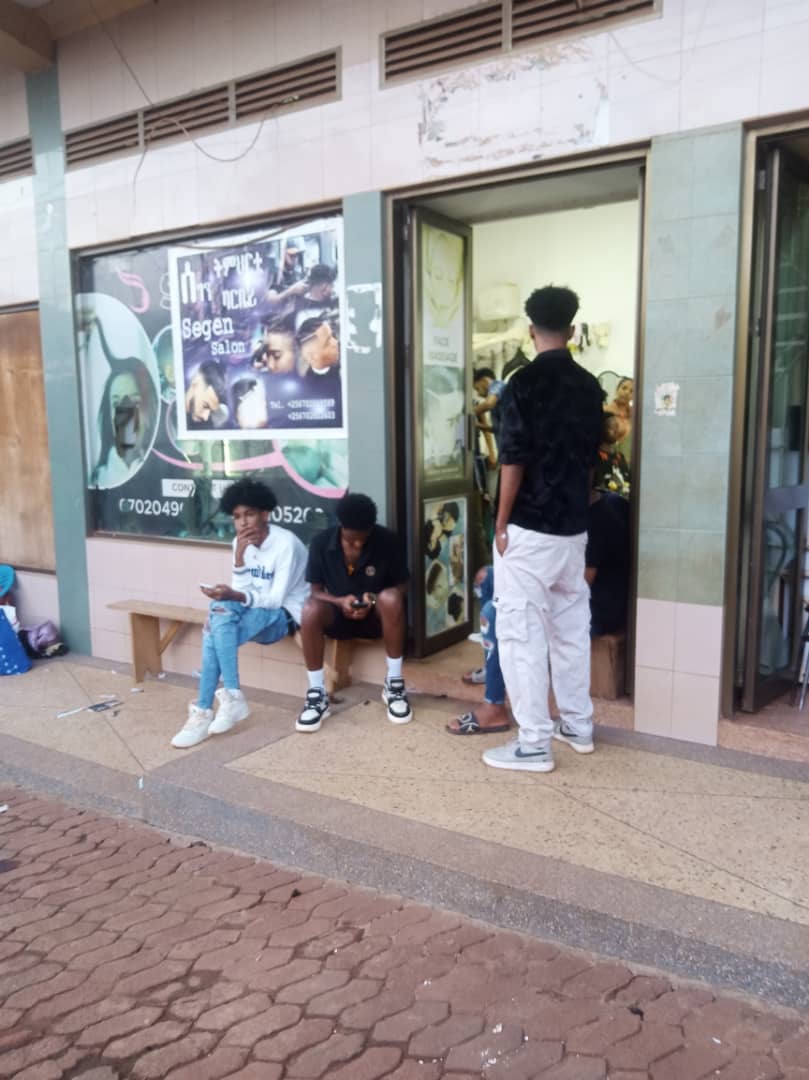
Beyond housing, a growing number of Eritrean migrants are venturing into small businesses—sectors traditionally dominated by Ugandans. From restaurants and salons to special hire services, retail shops, and clothing boutiques, these businesses are popping up along Ggaba Road and its surrounding communities.
“They’re not just renting homes—they’re renting entire shop fronts,” says a boutique owner in Kansanga. “They pay double the rent we used to, and landlords are choosing them over us.”
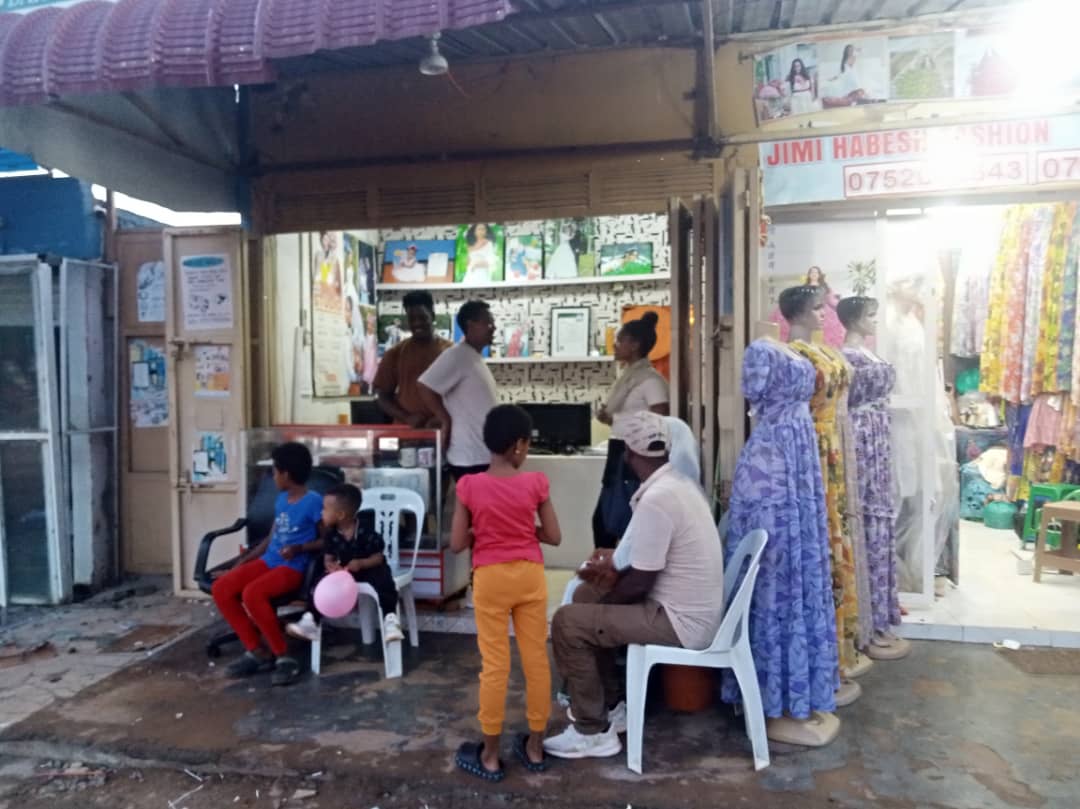
The Eritrean business model often includes group ownership and strong internal support. Many migrants prefer shopping at businesses run by their fellow Eritreans, reinforcing a cycle of economic insularity. This has stirred unease among local entrepreneurs, who feel increasingly edged out.
“It’s not just about rent anymore,” says a business man, who recently closed his shop in Bunga. “It’s also about survival in business. We’ve been here for years, but now we’re losing customers, shop space, and even our suppliers.”
For many Ugandan business owners along Ggaba Road, the competition is no longer just economic—it feels personal, and the tension is palpable.
The Eritrean Perspective
For Eritrean migrants, settling in Bunga is not about displacing locals but rather seeking stability and security. Many fled persecution and economic hardship, arriving in Uganda with hopes of rebuilding their lives.
“We come here because it’s safe,” says an Eritrean migrant, who has lived in Kampala for five years. “We don’t have another home. When we rent together, it’s not to push people out—it’s just the only way we can afford housing.”
He adds, “Starting a business is how we survive. We also help each other. That’s our way of staying strong in a new country.”
Organizations working with refugees acknowledge the tension but stress the need for solutions that accommodate both communities.
“Uganda has one of the most progressive refugee policies in the world,” says Kim Walusiimbi, a policy researcher. “But this case highlights the unintended economic impact of large migrant populations in urban areas.”
The Broader Housing Crisis
Experts argue that the issue extends beyond Eritrean migrants and is part of a larger housing crisis in Kampala.
“The truth is, Kampala lacks affordable housing,” says urban planner Charles Kawuube. “The government has not invested enough in low-cost housing, and landlords operate with little regulation. The price hikes would happen regardless of who the tenants are.”

In response, some advocacy groups are calling for rent controls and policies to ensure more affordable housing for middle and low-income Ugandans. Others suggest that private developers should be encouraged to build more budget-friendly units and mixed-use buildings that integrate locals and migrants.
Finding a Way Forward
As Bunga’s landscape continues to change, the challenge remains: How can the city balance the needs of long-term residents with the realities of a growing and diverse population?
For families like Sarah’s, the move is bittersweet. “We shall miss our home, but we have no choice,” she says, waving goodbye to her former neighbors. “I just hope that one day, we can afford to come back.”
With urbanization on the rise, business competition intensifying, and demand for housing increasing, the situation in areas along Ggaba road may just be a glimpse into Kampala’s future—one where affordability, migration, enterprise, and development collide in complex ways.