

President Yoweri Kaguta Museveni has called on African nations to shift from biomass fuels to clean, affordable electricity as a strategy for environmental protection and economic transformation.
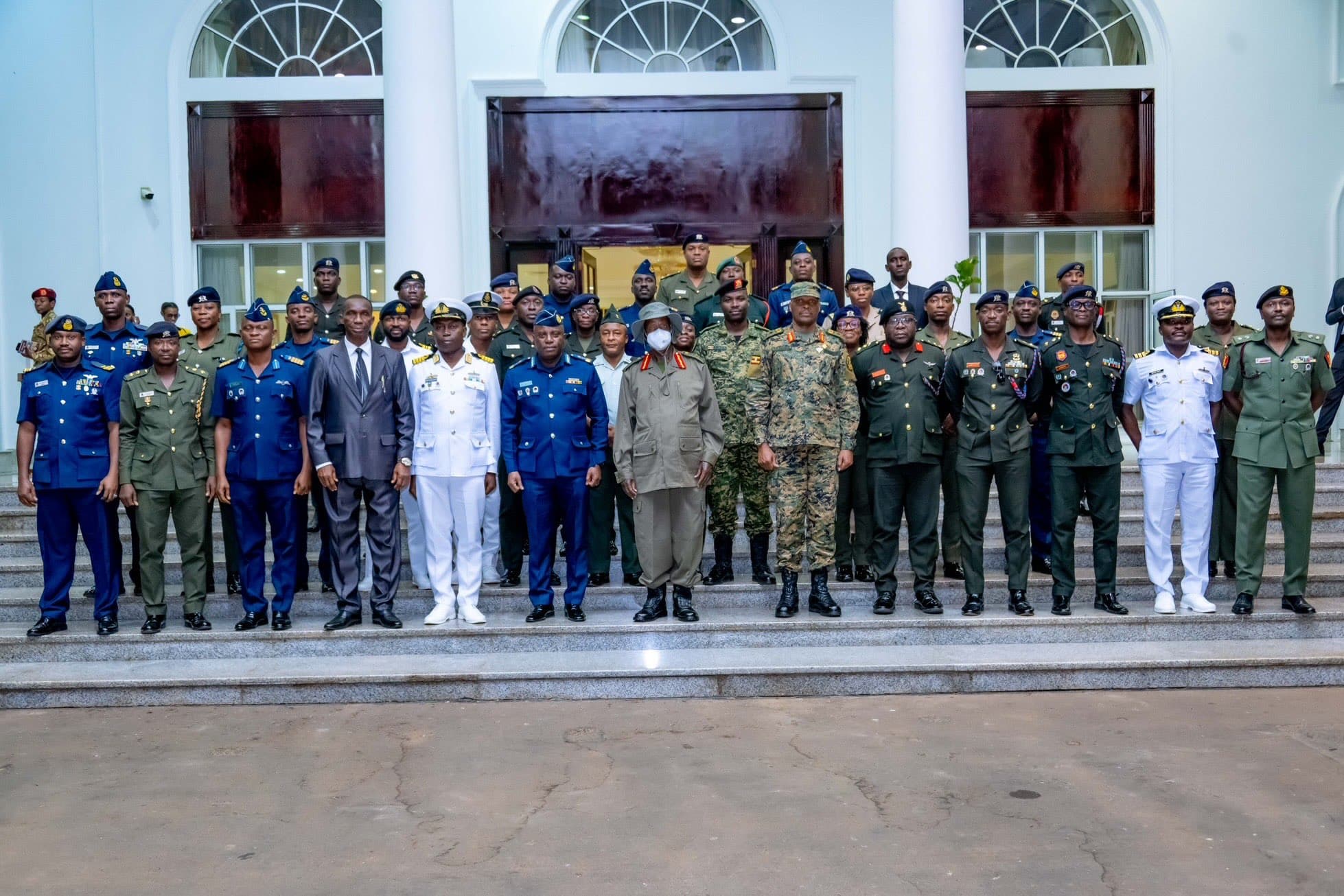
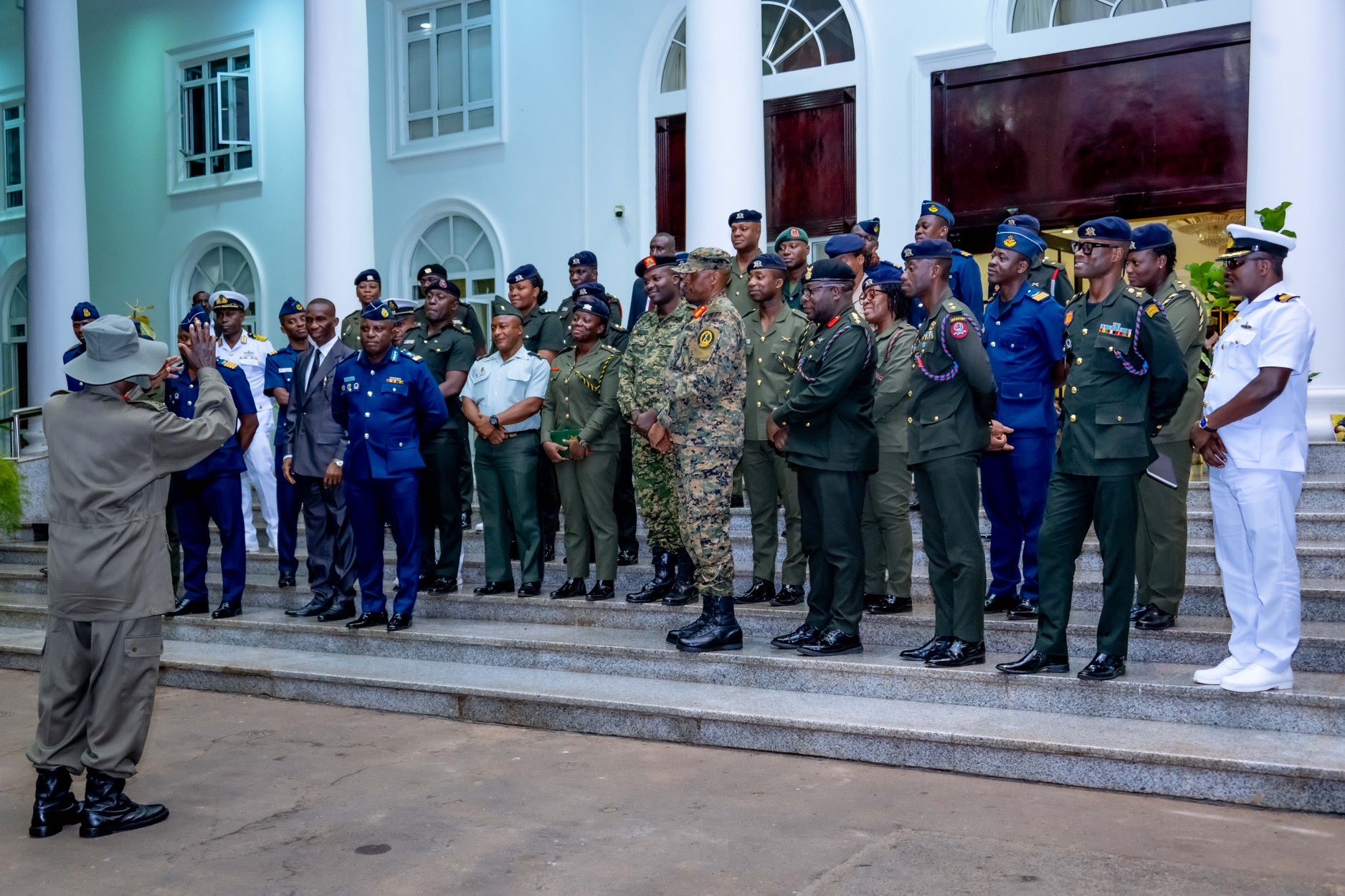
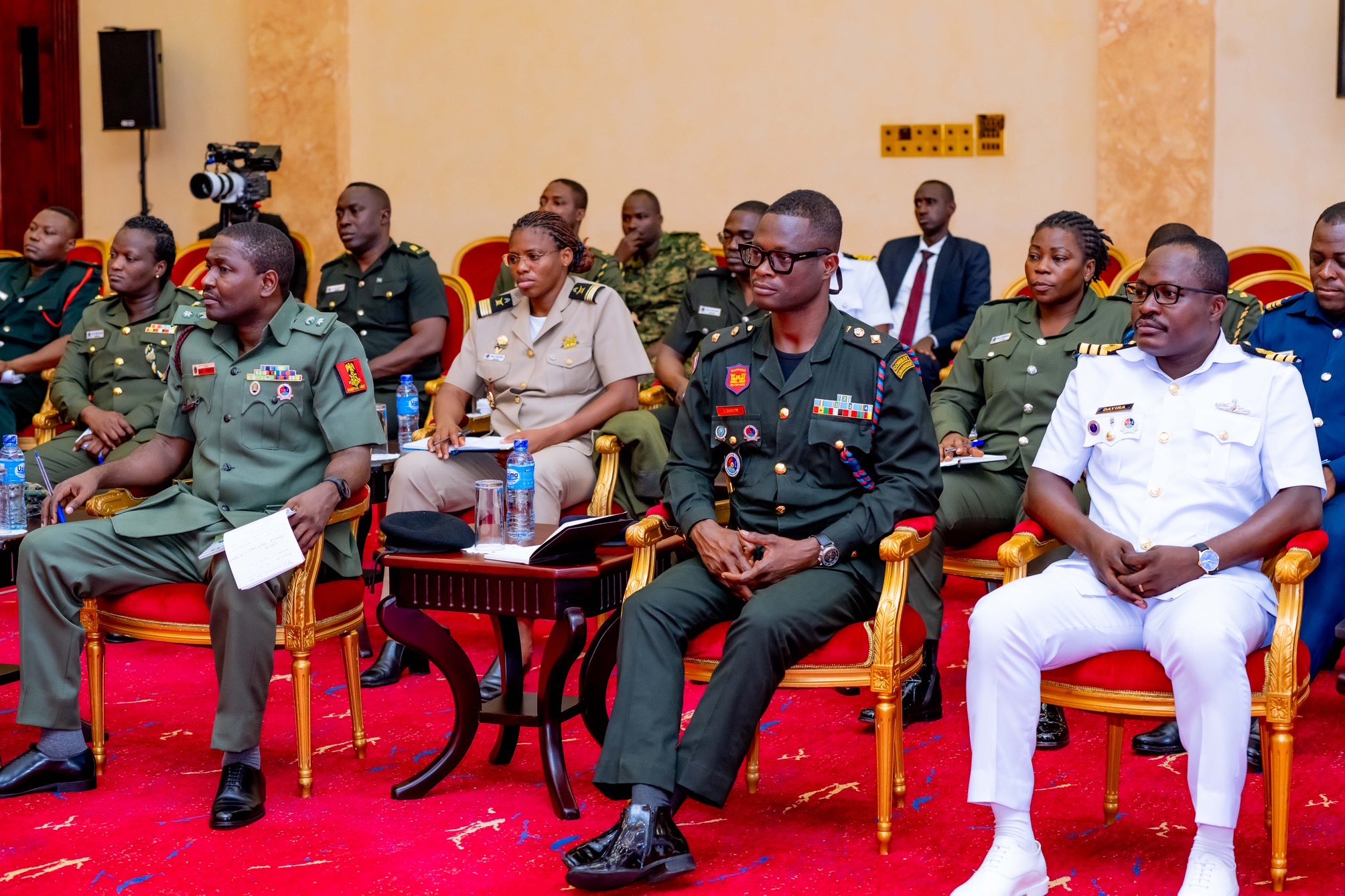
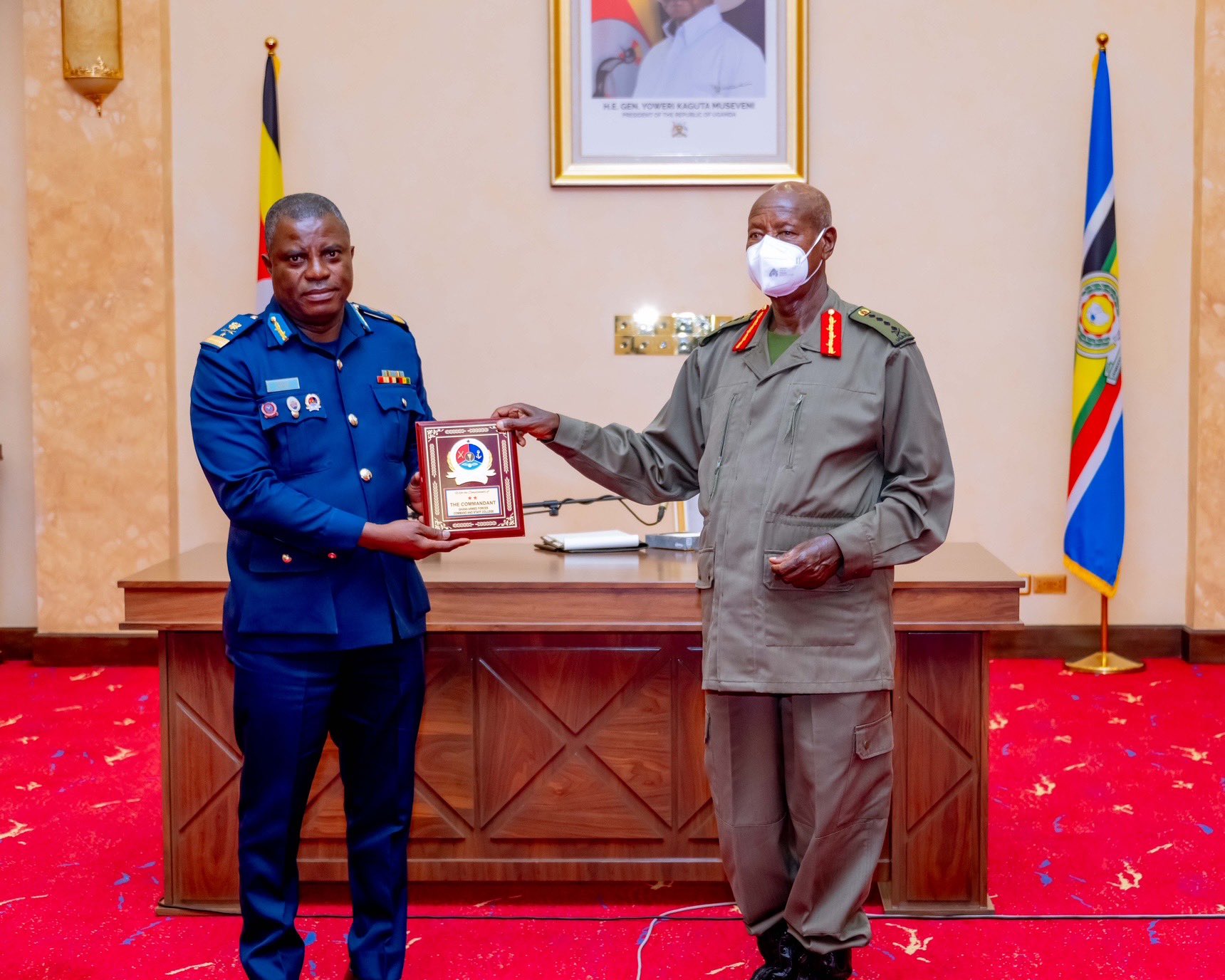
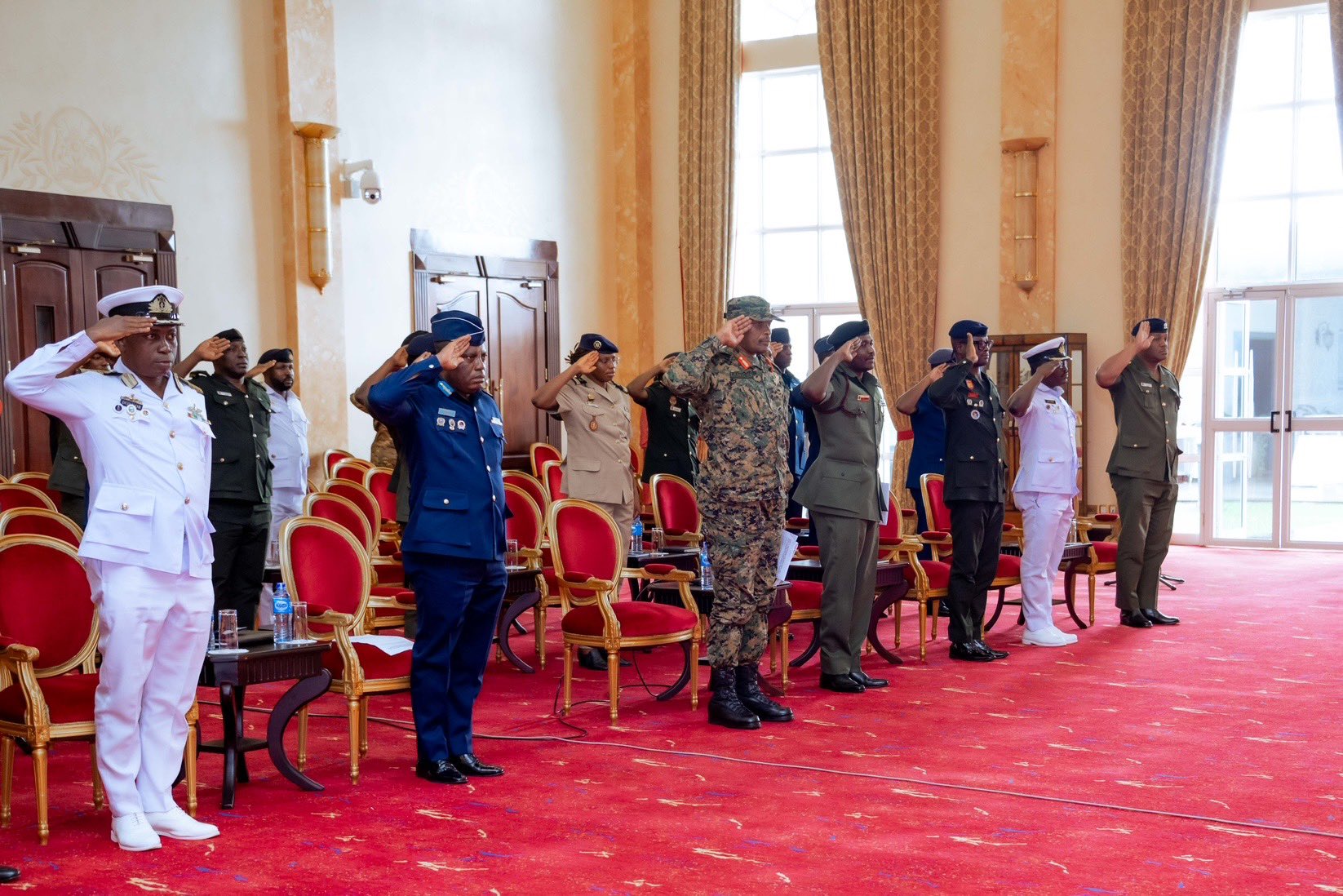
The President made the remarks on May 8 during a lecture to officers from the Ghana Armed Forces Command and Staff College (GAFCSC) Senior Course 46 at State House, Entebbe. The group, currently on a study tour, is exploring the theme: Climate Change, Environment, Security and Development. They were led by Brig. Gen. Saad Katemba, Director of Training and Doctrine at the Uganda People’s Defence Forces.
“If you want to protect the environment, you must solve the issue of fuel,” President Museveni said. “We must stop villagers from cutting down trees for firewood. Electricity is affordable, and clean energy is the only solution.”
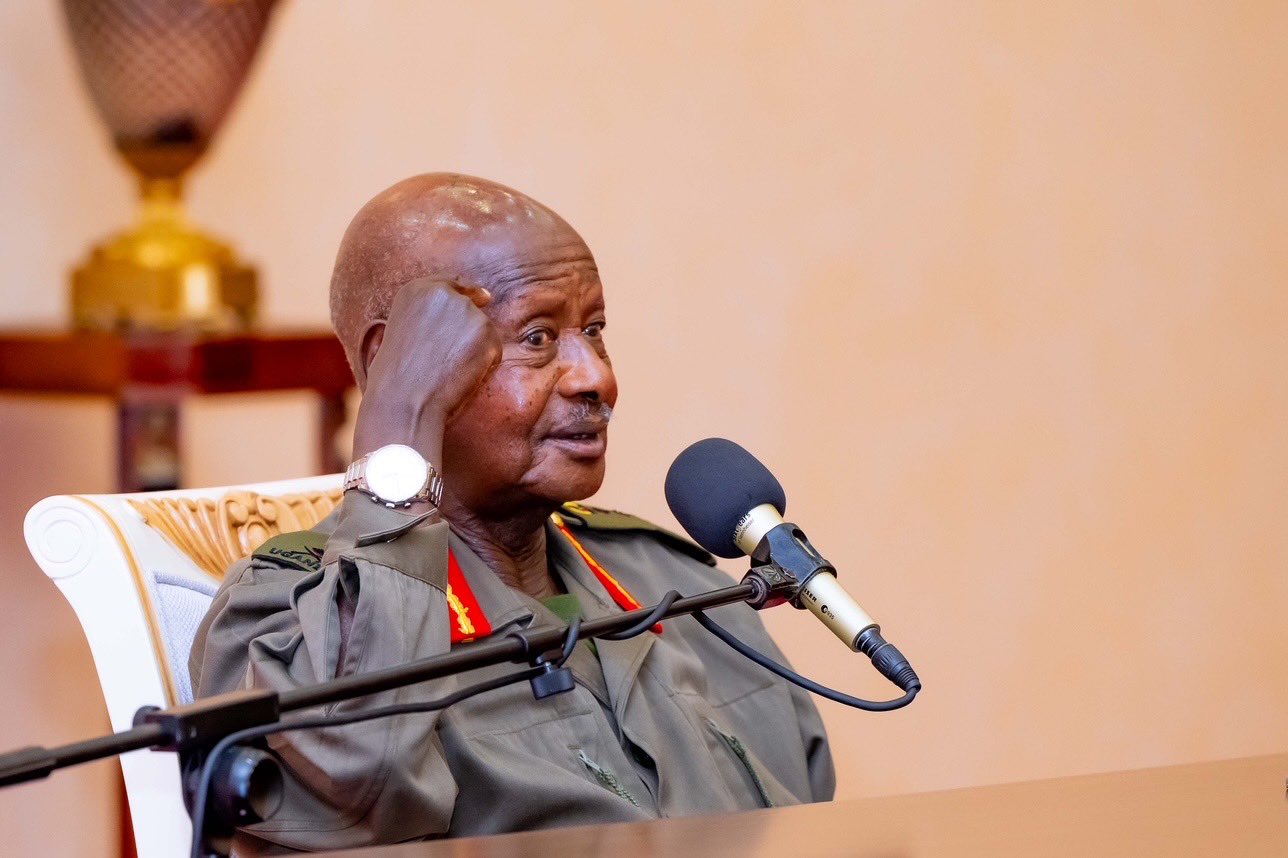
He expressed concern over Uganda’s environmental degradation, noting that the annual water outflow to South Sudan through the Nile had dropped from 60 billion to 40 billion cubic meters since the 1960s. He attributed part of the decline to deforestation caused by cooking fuel needs.
President Museveni criticized the role of private electricity companies, arguing that power generation should be prioritized as a national strategic asset.
“For manufacturing, the cost per kilowatt hour must not exceed five American cents. Power must be cheap for industry, though I don’t mind high charges for nightclubs,” he said.
He linked Africa’s energy challenges to broader structural economic issues, especially the continent’s dependence on subsistence agriculture.
“In the U.S., only 2% of the population is in agriculture. In Uganda, you find the grandfather, father, and grandchild all stuck on two acres. That’s disguised unemployment,” the President said.
He urged African countries to focus on industrialization, particularly in river basin areas like the Nile and Congo, to ensure efficient land use and socio-economic development.
“We must shift from primitive agriculture to manufacturing and services. That is the path to transformation,” he said.
President Museveni also warned against divisive identity politics, calling instead for ideological clarity rooted in common interest.
“When Ghana gained independence in the 1950s, we were already debating Africa’s future. Pan-Africanists like Nkrumah and Nyerere identified three historical missions: prosperity, strategic security, and African unity,” he said.
He emphasized that prosperity must come through production and market integration, not foreign aid.
“If the Banyankore produce milk and beef, they need a wider market—Uganda, East Africa, and Africa. That’s why Pan-Africanism matters,” he said.
The President advocated for vertical integration in Africa’s commodity sectors.
“If you export raw cotton, you earn $1 per kilo. But if you process it through six stages, you earn $14. That’s how you create jobs and retain value,” he said.
Commenting on recent political tensions in West Africa, President Museveni cautioned against measures that harm regional trade.
“You can sanction leaders, but don’t paralyze the economy. Don’t close markets. Uganda is part of the East African market, and that should not be disrupted for political reasons,” he said.
He encouraged the visiting officers to embrace the National Resistance Movement’s four ideological principles: Patriotism, Pan-Africanism, Socio-economic Transformation, and Democracy.
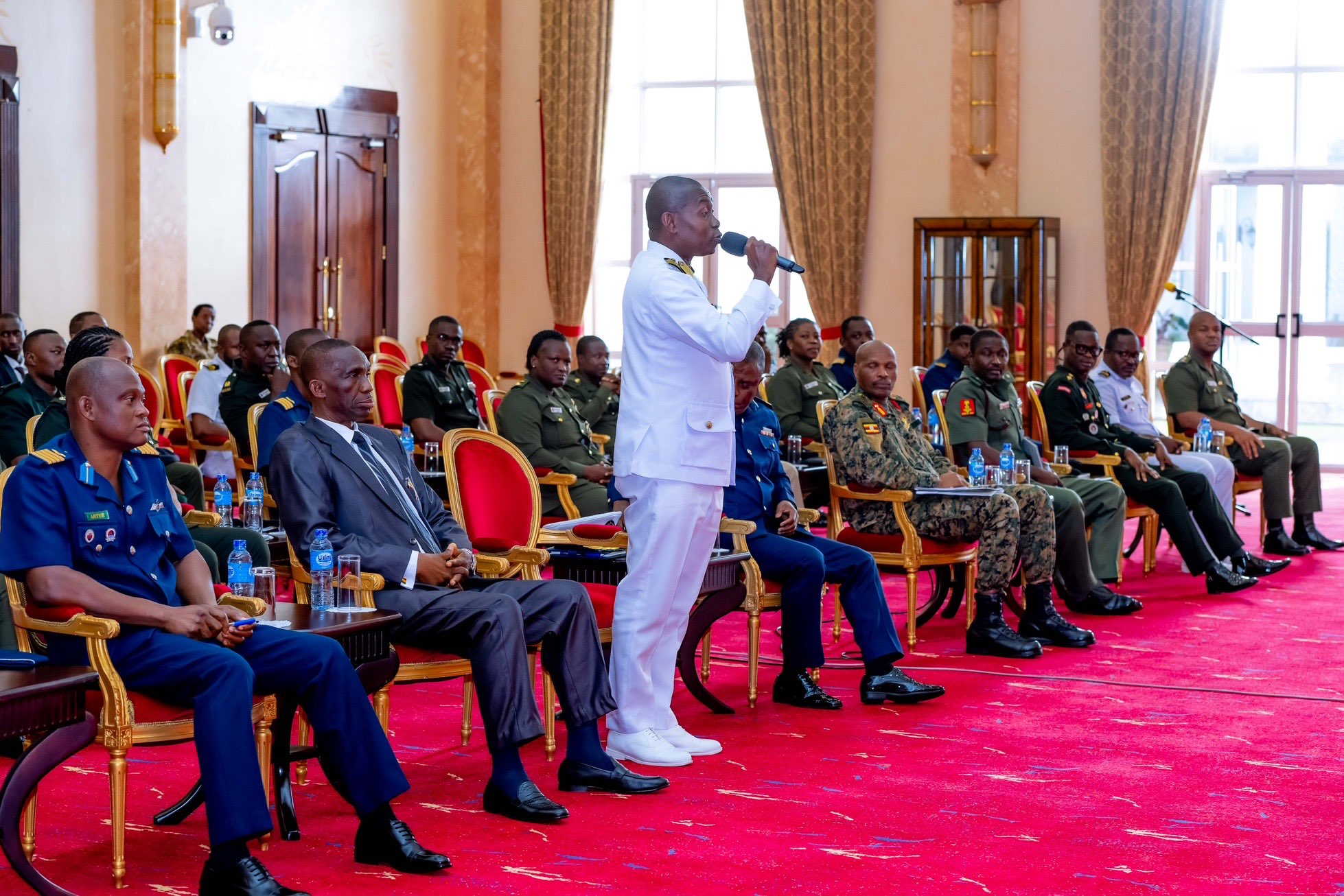
Brig. Gen. Katemba commended the President for the insights, saying the study programme was designed to expose the officers to Uganda’s model of integrating environmental protection into security and development planning.
“Our goal is to immerse these future leaders in Uganda’s integrated approach,” he said.
Maj. John Otoo, speaking on behalf of the Ghanaian delegation, thanked President Museveni for the lecture.
“We are privileged to learn from your wisdom centered on Africa’s missions—prosperity, strategic security, and our shared fraternity,” he said.